Buying a used Peugeot Partner
If you are searching for a used Peugeot Partner for sale in the UK, you are looking at one of the most capable, economical, and car-like small commercial vehicles on the road. The Partner has long been a heavyweight contender in the compact van sector, favoured by everyone from sole-trader carpenters to national utility fleets. The arrival of the third-generation model in late 2018 redefined what drivers expect from a light commercial vehicle, introducing cutting-edge cab ergonomics, advanced driver aids, and class-leading payload capacities that rival vans from the class above.
Built on the proven EMP2 modular platform shared with its Stellantis stablemates—the Citroën Berlingo, Vauxhall Combo, and Toyota Proace City—the Peugeot Partner combines clever French packaging with robust running gear. However, navigating the second-hand market requires a sharp eye. With various wheelbases, distinct engine generations, complex emissions equipment, and widespread commercial usage, knowing exactly what to look for can save your business thousands in unscheduled workshop visits. This comprehensive guide covers everything you need to evaluate before investing your hard-earned capital.
Peugeot Partner Model Overview and Heritage
To choose the right used vehicle, you first need to understand the generational shifts in the Partner lineup. While early first-generation models built up to 2008 are now mostly retired from front-line commercial duties, the second and third generations dominate the UK used market.
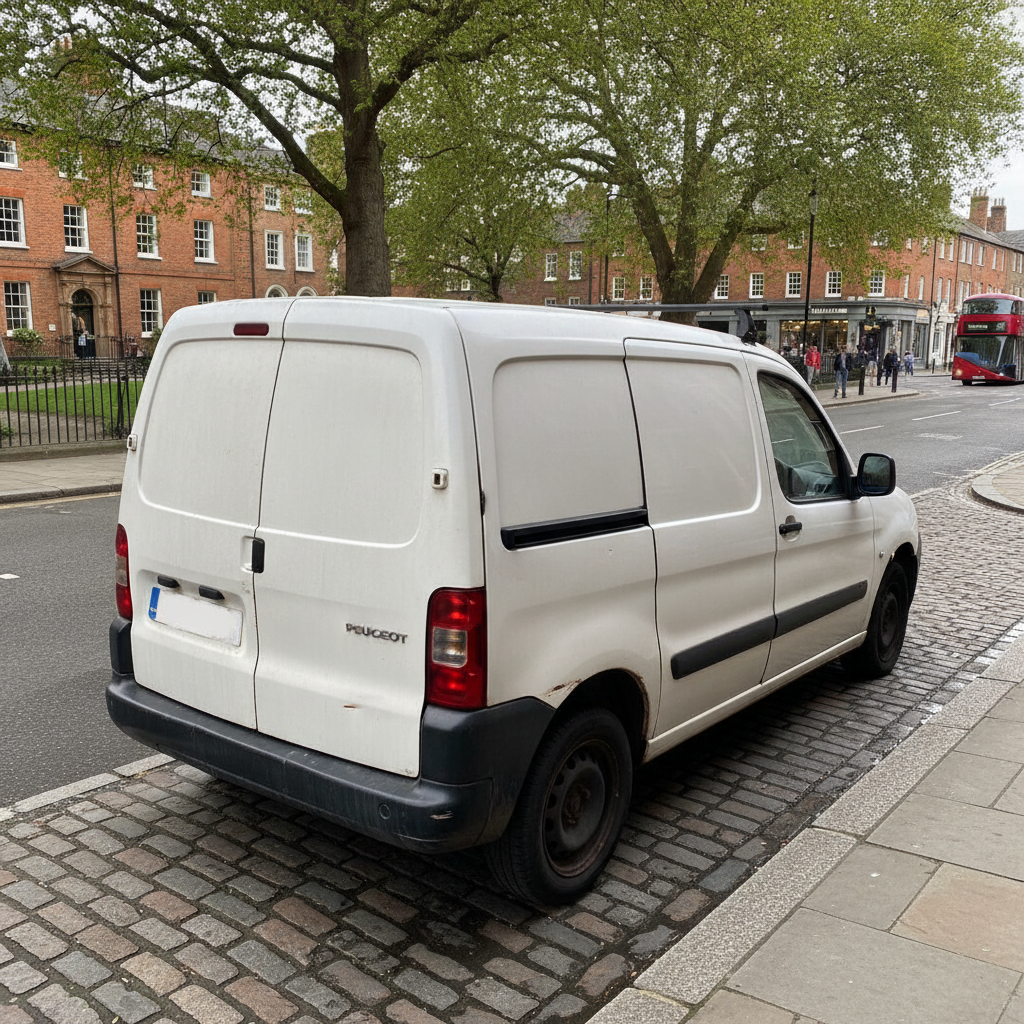
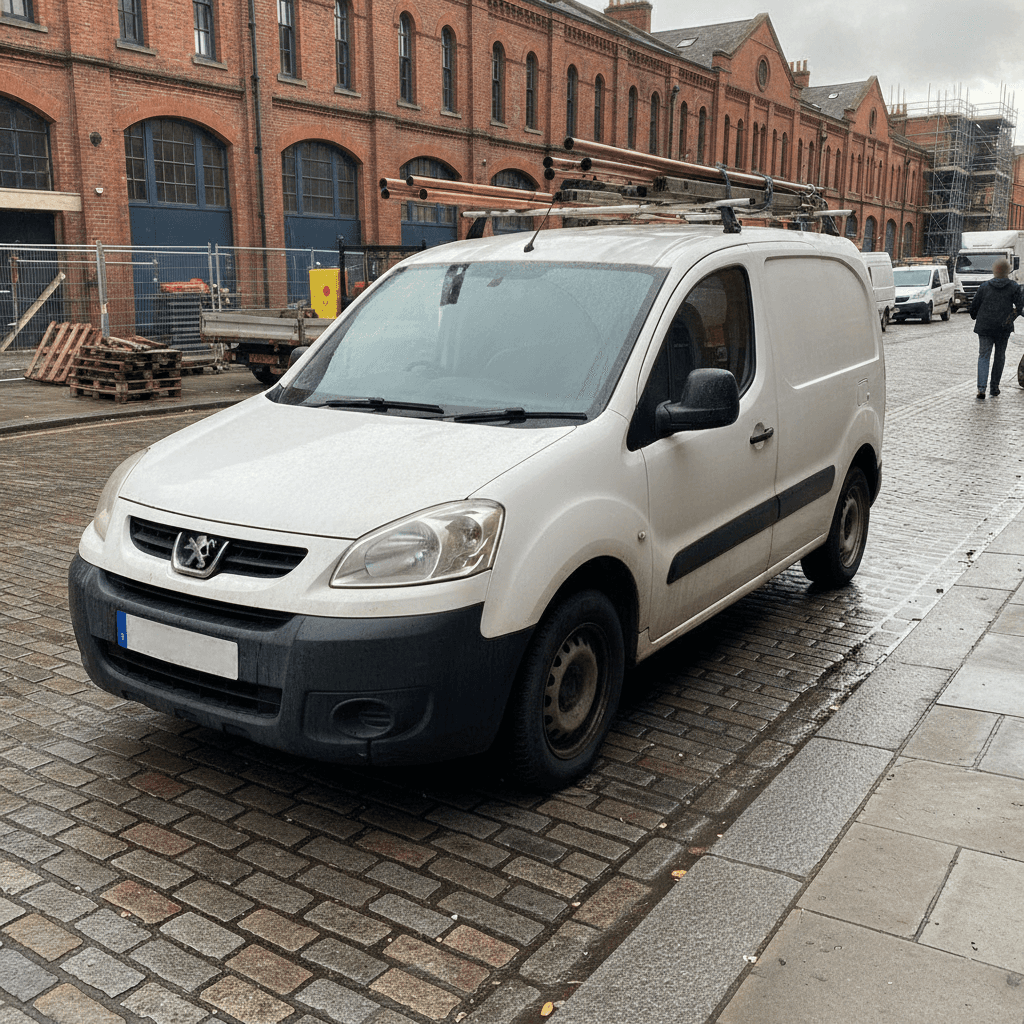
The second-generation Partner, produced between 2008 and 2018 on the older B9 platform, is a tough, utilitarian workhorse. Recognisable by its upright stance, slab sides, and conventional dashboard, it established the Partner as a reliable choice for local traders. Facelifts in 2012 and 2015 brought modernized grilles, improved cabin materials, and cleaner Euro 6 BlueHDi diesel engines featuring Selective Catalytic Reduction (SCR) technology.
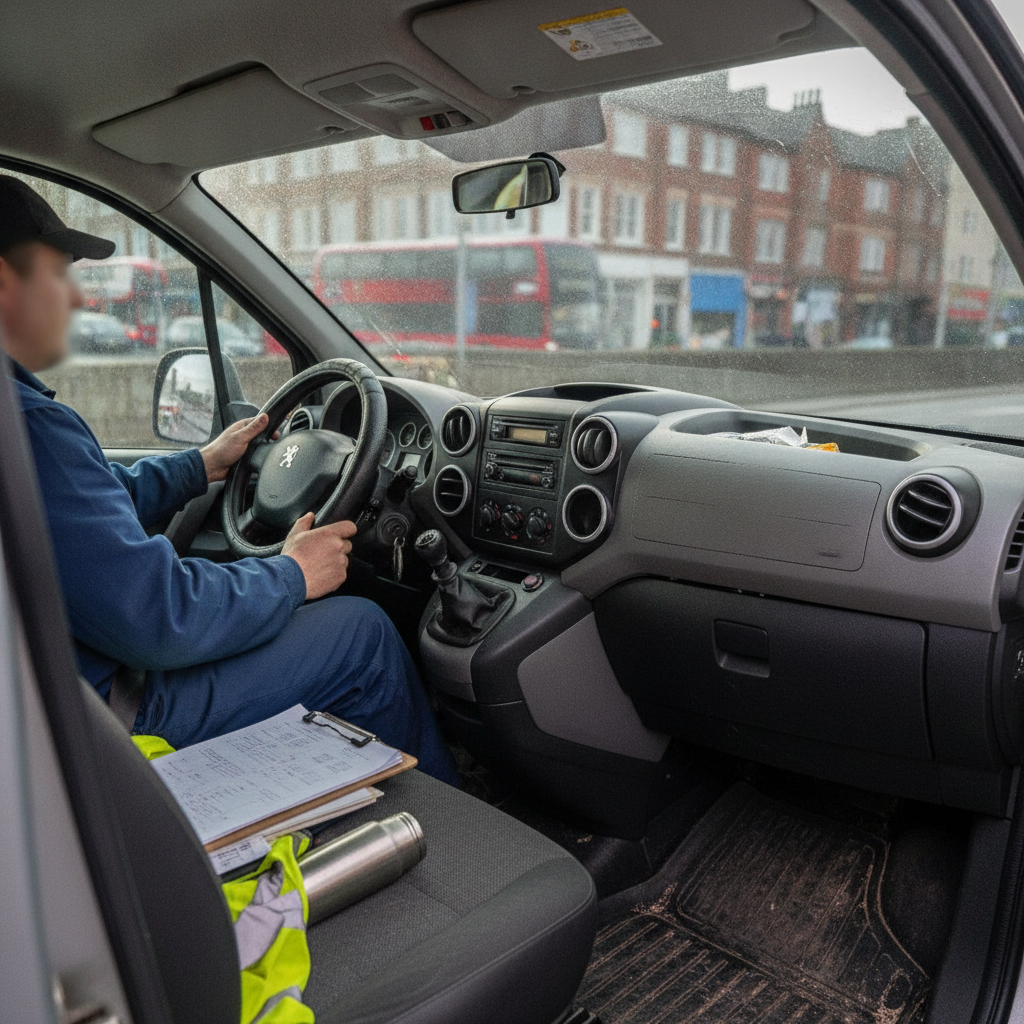
The third-generation model, launched in late 2018 and voted International Van of the Year in 2019, represents a radical leap forward. Built on passenger-car underpinnings, it brought Peugeot’s signature i-Cockpit cabin into the commercial vehicle sector. This layout places a compact, sporty steering wheel below a high-mounted instrument cluster, paired with an eight-inch central touchscreen angled toward the driver. Beyond ergonomics, this generation introduced higher structural rigidity, superior acoustic insulation, and an array of smart onboard technologies like the Surround Rear Vision camera system and an automated overload sensor.
Body Styles, Dimensions, and Load Capacities
The second-hand market offers two primary body lengths, alongside specialized crew cab variants designed for combined passenger and cargo duties. Understanding your typical cargo dimensions is critical to choosing the correct configuration.
Standard Length (L1) Specifications
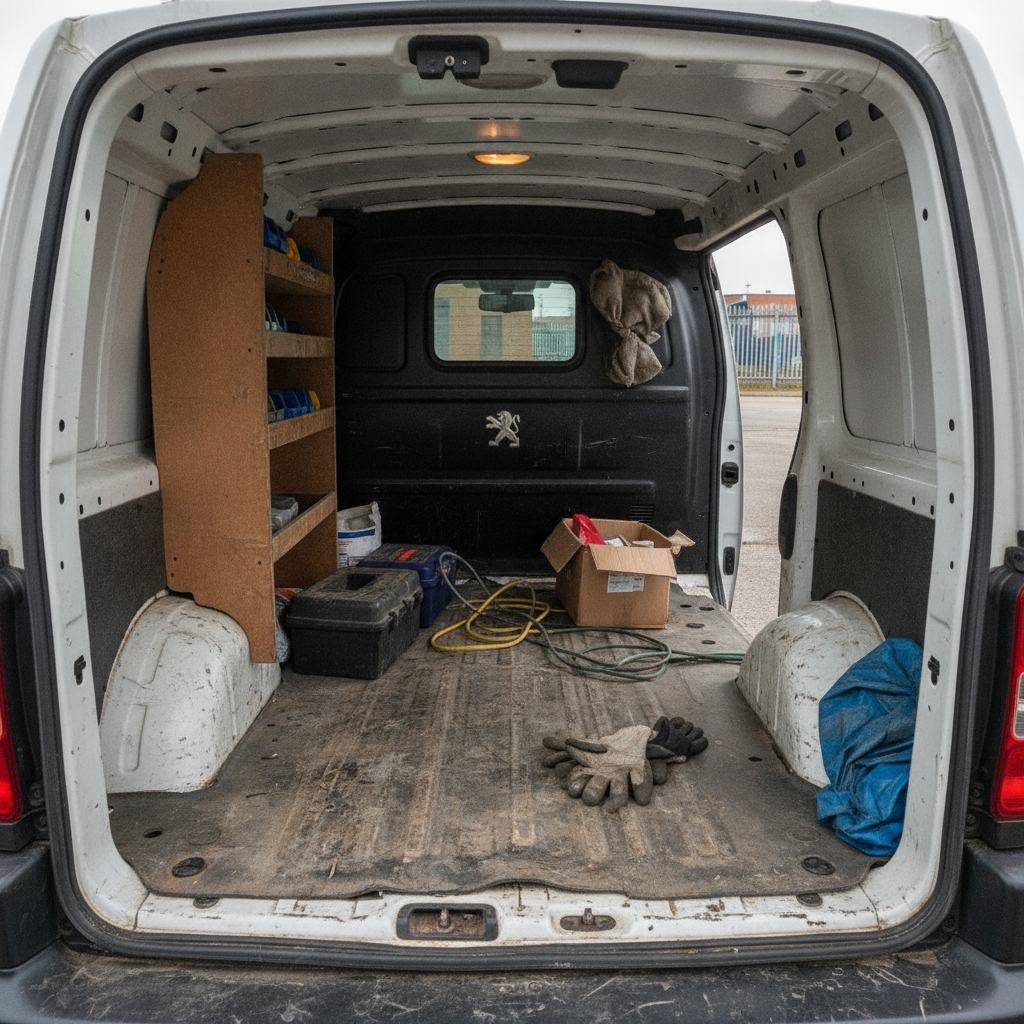
The standard body length measures 4,403mm from bumper to bumper, sitting on a 2,785mm wheelbase. Despite its compact external footprint, the load bay is remarkably accommodating:
- Internal Load Length: 1,817mm along the floor up to the solid steel bulkhead.
- Internal Load Width: 1,733mm maximum, with an impressive 1,229mm between the rear wheel arches, allowing you to slide a standard UK or Euro pallet straight into the bay sideways or lengthways.
- Internal Load Height: 1,236mm, offering comfortable reach for tools and parts bins.
- Load Volume: 3.3 cubic metres in standard trim, expanding to 3.8 cubic metres when utilizing the front passenger cargo hatch.
- Payload Capacity: Ranges between 650kg on lighter-duty variants up to an outstanding 1,009kg on uprated heavy-payload chassis specifications.
Long Wheelbase (L2) Specifications
For trades requiring greater floor area, the extended L2 model stretches total vehicle length to 4,753mm with an elongated rear overhang and a 2,975mm wheelbase:
- Internal Load Length: 2,167mm along the floor up to the bulkhead.
- Load Volume: 3.9 cubic metres as standard, swelling to a cavernous 4.4 cubic metres with the passenger seat folded flat.
- Payload Capacity: Typically rated between 850kg and 950kg, making it suited for bulky, moderate-weight cargo rather than ultra-heavy materials.
The Multi-Flex Seating Advantage
A standout feature to search for on any used Partner is the modular Multi-Flex passenger bench. This dual-passenger setup allows the outer passenger seat to fold completely flat against the cab floor, while an unlatching hatch in the steel bulkhead opens up a protective tunnel. This configuration extends the usable load length to 3,090mm in the standard L1 body, and up to 3,440mm in the long L2 body. For plumbers transporting three-metre copper pipes or electricians carrying long bundles of plastic conduit, this system eliminates the need for an external roof rack, protecting expensive materials from theft and the weather.
Crew Van Variants
Factory-built Crew Van models feature a second row of three seats with integrated headrests and three-point seatbelts, taking total passenger capacity to five. A sliding mesh bulkhead moves with the rear seats: when you need extra load volume, the rear bench folds forward in a single motion, locking the bulkhead securely behind the front seats to protect occupants from shifting cargo.
Engine Options and Transmissions
The engine under the bonnet defines your driving experience, fuel economy, and long-term maintenance costs. Used buyers will encounter several powertrain iterations depending on vehicle age.
1.6-litre HDi and BlueHDi Diesels (Pre-2018 Models)
On second-generation vans, the 1.6-litre four-cylinder turbo-diesel was the industry benchmark. Earlier Euro 5 versions (HDi) came in outputs of 75hp and 90hp, relying on a diesel particulate filter without AdBlue. Later Euro 6 versions (BlueHDi) raised outputs to 75hp, 100hp, and 120hp, adding an SCR system with an AdBlue tank. These engines are known for linear power delivery, widespread parts availability, and straightforward mechanics, though the Euro 6 models introduced emissions sensors that demand careful inspection.
1.5-litre BlueHDi Diesels (Post-2018 Models)
Third-generation vans are powered almost exclusively by the modern 1.5-litre BlueHDi four-cylinder diesel engine. This unit is available in three distinct power outputs:
- 75hp (BlueHDi 75): Paired with a five-speed manual gearbox. Geared short for urban stop-start work, but feels breathless when laden on fast dual carriageways.
- 100hp (BlueHDi 100): The sweet spot for general trade usage. Offered with a five-speed manual on earlier years, transitioning to a slick six-speed manual on later builds. Provides 250Nm of torque, handling heavy payloads effortlessly.
- 130hp (BlueHDi 130): The range-topping powerplant delivering 300Nm of torque. Standard with a six-speed manual or the smooth EAT8 eight-speed torque-converter automatic transmission, making it the premier choice for long-distance motorway driving and heavy towing.
1.2-litre PureTech Petrol Options
Peugeot also offered its award-winning three-cylinder turbocharged PureTech petrol engine in 110hp and 130hp variants. While less common on used forecourts, these petrol models are exceptionally quiet and avoid diesel-related exhaust aftertreatment issues, making them an interesting choice for trades restricted to low annual mileages inside urban clean air zones.
The Fully Electric e-Partner
Introduced in late 2021, the e-Partner combines a 50kWh lithium-ion battery pack with a front-mounted 100kW (136hp) electric motor. It provides up to 171 miles of range on the official WLTP cycle, with real-world winter performance sitting closer to 120 miles. Crucially, the battery is mounted beneath the floor, meaning load volume is completely identical to diesel variants, while payload remains surprisingly competitive at up to 800kg.
Who Buys the Peugeot Partner and Why?
The Partner’s broad appeal across diverse UK trades stems from its exceptional balance between compact dimensions and sheer load capability. Here is why specific business sectors rely on it:
- Plumbers and Heating Engineers: The combination of the flat load floor, wide side-loading door, and the Multi-Flex through-bulkhead system allows trades to pack standard length copper tube, plastic waste pipe, and boxed combination boilers into a vehicle that easily fits on domestic driveways.
- Electricians and Telecoms Engineers: The vehicle provides clean interior wall faces ideal for modular lightweight metal racking systems. With a low loading lip of just 548mm, lifting heavy cable drums and diagnostic cases in and out throughout the working day places minimal strain on your lower back.
- Multi-Drop Couriers and Urban Delivery Drivers: In congested city centres, the Partner’s tight turning circle of 10.82 metres makes tight three-point turns effortless. The optional EAT8 automatic gearbox dramatically reduces driver fatigue in grinding urban traffic jams.
- Painters, Decorators, and Building Finishers: The squared-off wheel arches allow multiple tiers of paint tubs to sit securely flat across the floor, while extended L2 models easily house step ladders and folding access platforms behind a fixed solid bulkhead.
- Mobile Mechanics and Locksmiths: The heavy-payload variants, capable of carrying over a metric tonne, allow mobile technicians to haul substantial compressor gear, jump packs, specialized tooling, and heavy machine stock without exceeding legal axle limits.
Used Buying Checklist: Common Faults and Watchouts
Before committing to a purchase, conducting a thorough physical inspection is vital. While fundamentally dependable workhorses, Peugeot Partners carry specific known vulnerabilities that you must scrutinize closely.
1.5 BlueHDi Camshaft Timing Chain Issue
This is the most critical mechanical check on any third-generation Partner fitted with the 1.5 BlueHDi engine manufactured between late 2018 and early 2023. While the engine uses a rubber timing belt to connect the crankshaft to the exhaust camshaft, a small internal 7mm chain links the exhaust camshaft to the inlet camshaft. Over time, this 7mm chain can stretch, wear against its guides, and eventually snap, causing catastrophic engine failure.
Inspection Step: Start the engine from cold and let it idle with the bonnet open. Listen intently to the upper top-right portion of the engine block. A distinct metallic ticking, light chattering, or rhythmic rattling noise indicates chain slack. Stellantis subsequently upgraded the design to an 8mm reinforced chain assembly with revised camshaft carriers. Check the service history thoroughly to see if this upgrade or chain replacement has already been carried out under warranty or preventative maintenance.
AdBlue System and NOx Sensor Failures
Like many modern Euro 6 commercial diesels, the AdBlue system on both late second-generation and third-generation models is a frequent failure point. The integrated tank assembly contains an internal pump, heater, and level sensor that are not sold separately by main dealers. Faults often manifest as sudden dashboard countdown warnings stating the engine will not restart after a set mileage.
Inspection Step: Plug in an OBD2 diagnostic code reader during your test drive to check for pending fault codes related to emissions or reductant pressure. Inspect the blue AdBlue filler neck for heavy white crystallisation, which points to past leaks, and ensure the vehicle has not been run exclusively on short cold hops where the injector tip can foul with dried urea deposits.
1.2 PureTech Petrol Wet-Belt Degradation
If you are looking at a petrol Partner, the timing belt runs directly inside the engine oil (known as a wet belt). If incorrect engine oil has been used, or if oil change intervals have been stretched, the rubber belt chemically degrades. Flakes of rubber shed from the belt, sink into the oil sump, and block the oil pump pick-up strainer mesh. This causes oil starvation, vacuum pump failure (resulting in a hard, unresponsive brake pedal), and ultimately engine seizure.
Inspection Step: Unscrew the oil filler cap on top of the engine and use an inspection light to examine the visible edge of the rubber timing belt. Look for surface cracking, fraying along the edges, or swelling. If the belt looks wider than its sprockets or exhibits surface flaking, it requires immediate replacement along with an oil sump removal and strainer clean.
Suspension and Undercarriage Wear
Commercial vehicles frequently encounter speed bumps, potholes, and broken site roads while heavily laden. On the Peugeot Partner, the front suspension takes the brunt of this abuse:
- Top Mount Bearings: Turn the steering wheel slowly from lock to lock while stationary with the engine running. Any groaning, spring pinging, or notchiness indicates worn strut top mounts.
- Drop Links and Lower Wishbone Bushes: Drive the van over uneven surfaces or speed bumps at moderate speed. Dull knocking or metallic clunking sounds almost always point to worn anti-roll bar drop links or perished rubber wishbone bushes.
- Rear Beam and Shock Absorbers: Inspect the rear shock absorbers for wet oil misting, and check the rear bump stops. Heavily overloaded vans often have crushed, split, or missing rubber bump stops.
Side Sliding Door Rollers and Latches
The side loading door is subject to punishing use on delivery cycles. Open and close the sliding door multiple times from both the inside and outside handles. The door should glide smoothly along its middle waist rail and lower sill runner without dropping. If the rear edge of the sliding door drops down and strikes the body striker pin, the lower roller bearing is worn out. Check that the door catches securely on its intermediate stay when opened on an incline, preventing it from violently slamming shut on your hands.
Cabin Electrics and the i-Cockpit System
On third-generation models, test every function on the central eight-inch touchscreen. Verify that Bluetooth pairing, DAB radio tuning, and smartphone mirror links (Apple CarPlay and Android Auto) establish quickly. Check that the digital heating and ventilation controls respond without lag. In cold weather, screens can occasionally freeze or reboot; ensure the vehicle software is up to date. If the van is equipped with the Surround Rear Vision camera system, verify that both the passenger-side blind-spot camera and the overhead rear-view feed display crisp, uncorrupted video feeds.
What Years and Configurations to Avoid
While the Partner is fundamentally well-engineered, certain production periods and mechanical configurations carry elevated risks that used buyers should approach with caution:
- Early 2018 to 2020 1.5 BlueHDi Models Without Documented History: Avoid these early third-generation vans unless they come with an ironclad service history showing meticulous, on-time oil changes, or clear evidence that the internal 7mm camshaft chain issue has been addressed with the updated assembly.
- PureTech Petrol Models With Gapped Service Records: If a petrol variant has missed an annual service or has been topped up with generic engine oil rather than the strictly specified low-ash synthetic oil, walk away. The risk of wet-belt degradation is simply too high.
- Vans Fitted With the Older ETG6 Automated Gearbox: Found on second-generation models, this electronically controlled manual gearbox uses an automated clutch. It is notorious for slow, jerky gear changes, premature clutch actuator failure, and high repair costs. Stick to the traditional manual or the modern EAT8 torque-converter automatic on newer vans.
- Ex-Fleet Vehicles With Missing Maintenance Files: While large corporate fleet vans usually follow rigorous schedules, hard-driven utility or multi-drop delivery vans often suffer from high engine idle hours, heavy wear on interior trim, and repeated undercarriage scrapes. Always insist on seeing complete fleet service printouts.
Used Peugeot Partner Price Expectations
Values in the commercial vehicle market are driven primarily by age, certified mileage, body condition, and whether the vehicle includes a full VAT invoice. The following brackets illustrate what you can expect across current UK trade forecourts.
Entry-Level Workhorses: Under £5,000
Vehicles in this entry-level tier will almost exclusively be second-generation models registered between 2011 and 2016. Expect odometer readings well above 100,000 miles, accompanied by cosmetic imperfections like minor panel scuffs, worn driver seat bolsters, and heavily scratched load bays. At this price, focus entirely on mechanical soundness, clean MOT histories with no recurring structural rust advisories, and evidence of recent timing belt and water pump replacements on the older 1.6-litre engines.
Dependable Everyday Runners: £5,000 to £9,000
This mid-market bracket covers the absolute best late-registration second-generation vans (2016 to early 2018) with under 70,000 miles, as well as early third-generation vans (2018 to 2020) with mileage sitting between 80,000 and 110,000 miles. Late second-generation vans in this tier will generally feature the Euro 6 BlueHDi engine, air conditioning, rear parking sensors, and cruise control in the popular Professional trim. Third-generation models will give you access to the modern i-Cockpit interior and superior payloads, but require strict verification of the camshaft chain health.
Modern Generation Three Vans: £9,000 to £14,000
Here you will find clean, tidy, and low-mileage third-generation vans registered between 2020 and 2023. Typical mileages range from 25,000 to 60,000 miles. Most vans in this price category are presented in high-specification Professional Premium or Asphalt trims, featuring factory satellite navigation, electronic climate control, electric folding mirrors, alloy wheels, and comprehensive safety assistance packs. These vehicles represent the ideal compromise between manageable upfront cost and many years of trouble-free future commercial service.
Nearly New and Electric e-Partner: £14,000 to £20,000+
The top tier of the used market consists of late-plate, delivery-mileage, and ex-demonstrator vehicles, alongside fully electric e-Partner models. Electric variants hold their values cleanly thanks to zero-emissions capabilities and low running costs. These vehicles generally benefit from the balance of the original manufacturer three-year or 60,000-mile vehicle warranty, alongside an eight-year or 100,000-mile traction battery warranty on electric e-Partner examples.
Real-World Running Costs and Ownership Expenses
Operating a van requires keeping fixed and variable costs tightly controlled. The Peugeot Partner remains one of the cheapest commercial vehicles to keep on the road in the UK.
Fuel Economy
The 1.5 BlueHDi diesel engine is exceptionally light on fuel. In unladen or lightly loaded conditions on mixed A-roads and motorways, realistic figures hover between 55mpg and 62mpg. Even when fully laden with tools and materials on stop-start urban cycles, expect returns between 46mpg and 52mpg. The older 1.6 BlueHDi engine is similarly thrifty, averaging around 50mpg. For petrol PureTech variants, real-world consumption sits closer to 38mpg to 44mpg, which can still prove cost-effective if your business operates inside low-emission zones where diesel penalties apply. Electric e-Partner models charged overnight on off-peak domestic energy tariffs offer exceptionally low pence-per-mile running expenses compared to any combustion equivalent.
Vehicle Excise Duty (Road Tax)
As a light commercial vehicle (TC39 classification), road tax for the Peugeot Partner is charged at a flat standard commercial rate rather than being graduated based on CO2 emissions figures like passenger cars. This flat rate provides budget predictability year after year, regardless of the engine's power rating.
Insurance Groups
Insurance ratings for the Partner are competitive, generally falling between Group 28E and Group 34E depending on vehicle trim, safety equipment, and engine output. Fitting Thatcham-approved deadlocks, a secure internal tool vault, or a telematics tracking device will frequently unlock lower insurance premiums from commercial brokers.
Servicing Intervals and Fluid Specifications
Official servicing schedules for the 1.5 BlueHDi diesel mandate maintenance every two years or 25,000 miles, whichever comes first. However, independent trade specialists strongly advise shortening this to an annual or 10,000-mile service interval to safeguard the camshaft timing chain and protect the turbocharger bearings. It is paramount that workshops use the exact manufacturer-specified synthetic engine oil—specifically low-SAPS 0W-30 or 0W-20 meeting PSA B71 2312 or B71 2290 specifications—to prevent premature DPF clogging and oil breakdown.
Commercial Financing and Acquisition Routes
Securing the right commercial vehicle also involves structuring your purchase to maximise cash flow and tax efficiency. When investing in a used Peugeot Partner, explore our flexible van finance products designed specifically for commercial operators.
Sole traders and partnerships frequently opt for Hire Purchase (HP). With an HP agreement, you pay a deposit—frequently equivalent to the VAT element on VAT-qualifying commercial vehicles—followed by fixed monthly repayments over a term ranging from 24 to 60 months. Once the final option-to-purchase fee is cleared, your business owns the vehicle outright. This route allows you to claim capital allowances under the Annual Investment Allowance (AIA), writing off the full cost of the vehicle against your pre-tax business profits in the year of purchase.
Alternatively, Finance Lease structures offer lower monthly commitments by deferring a proportion of the vehicle's capital value into an agreed final balloon payment based on anticipated age and mileage. For businesses that prefer running modern, warranty-backed commercial vehicles every two to four years without ownership risks or disposal hassles, evaluating competitive van lease deals provides a predictable, tax-efficient alternative where monthly lease rentals can be offset against trading revenue.
Final Verdict: Should You Buy a Used Peugeot Partner?
The Peugeot Partner earned its status as one of the UK's best-selling small vans through exceptional load bay design, car-like road manners, and frugal diesel engines. For tradespeople who spend long hours behind the wheel navigating tight urban streets and narrow residential roads, the refinement and supportive ergonomics of the i-Cockpit cabin are difficult to match.
By checking the service records for correct oil specifications, listening carefully for early warning signs of 1.5 BlueHDi camshaft chain rattle, and verifying that the AdBlue system operates cleanly without stored diagnostic codes, you can secure an outstanding commercial asset that delivers high payloads, rock-bottom fuel bills, and dependable service for your business.