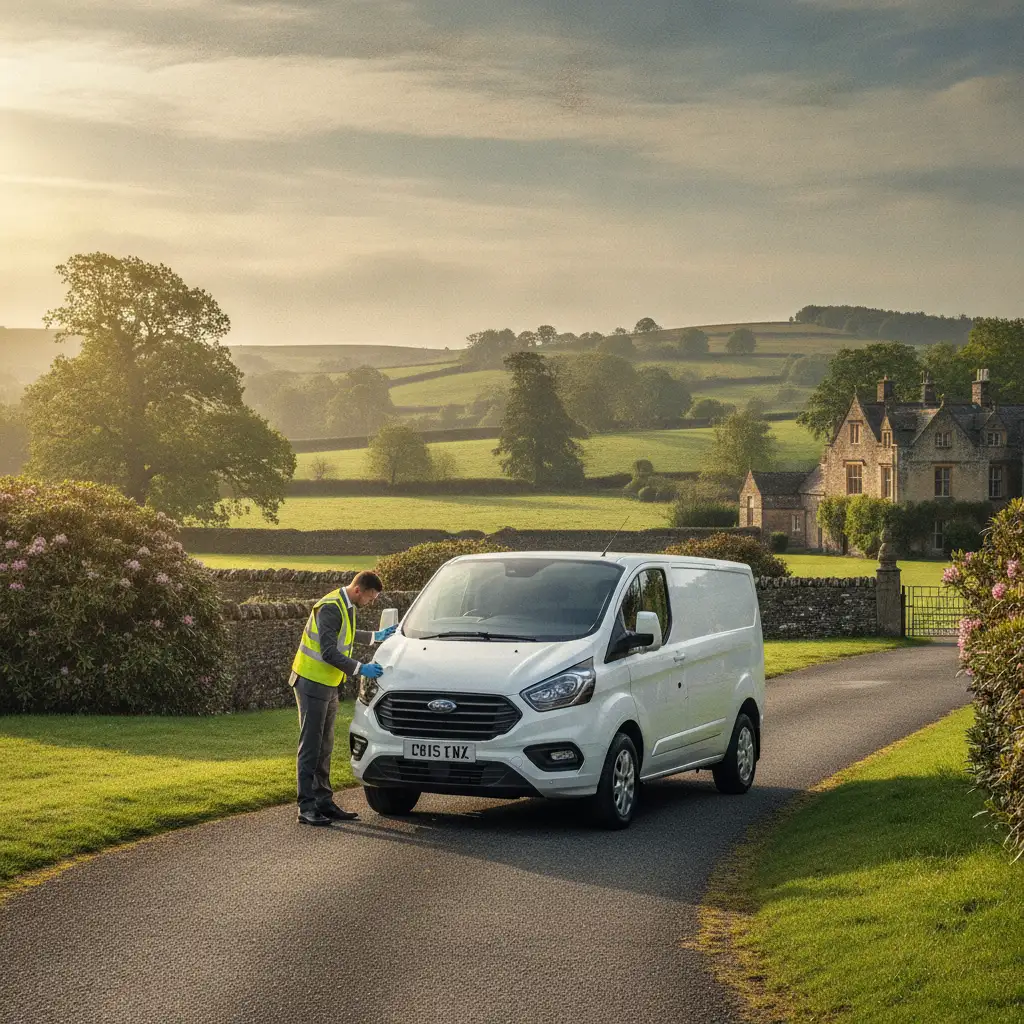
The short answer
Buying a base vehicle for a camper conversion requires balancing mechanical reliability, usable internal dimensions, and strict weight compliance. Prioritise a vehicle with an unblemished service history, structural chassis integrity, and a verified payload capacity. For most UK builds, a panel van with a gross vehicle weight of three and a half tonnes offers the ideal baseline, allowing enough carrying capacity for living quarters, water, and electrical systems without exceeding standard category B driving licence thresholds.
Choosing the right base van platform
Selecting the correct model dictates your internal layout, insulation depth, and sleeping configuration. Different van platforms offer distinct trade-offs between body width, corrosion resistance, and driving dynamics.
Fiat Ducato, Peugeot Boxer, and Citroen Relay
The Sevel platform remains the industry standard for motorhome builders and commercial converters. The front-wheel-drive layout eliminates the central propshaft, lowering the cargo floor and increasing internal headroom. More importantly, the internal load width between the side panels is wider than rear-wheel-drive alternatives, allowing individuals up to six feet tall to install a transverse bed without adding external side flares. The factory chassis features substantial factory galvanisation, meaning structural rust is far less prevalent on post-2007 variants compared to competitors.
Ford Transit
The Ford Transit benefits from unmatched parts availability and low servicing costs throughout the UK. Available in front-wheel, rear-wheel, and all-wheel drive, it suits varied requirements. However, the internal walls taper inward toward the roof more aggressively than the Ducato platform, reducing upper locker capacity. Front-wheel-drive models provide higher payload allowances, while rear-wheel-drive variants handle towing and rougher terrain better at the cost of kerb weight.
Mercedes-Benz Sprinter and Volkswagen Crafter
Longitudinal engine layouts make the Sprinter and pre-2017 Crafter narrower inside the load bay, usually requiring a lengthwise bed arrangement unless pod extensions are fitted. These platforms provide excellent high-mileage drivelines and long-distance cab comfort, making them popular with long-range touring converters. However, older Sprinters require intense bodywork scrutiny, as exterior panels, door seams, and rear crossmembers suffer from corrosion if stone chips and paint defects are neglected.
Payload limits and legal weight obligations
Weight is the most critical technical constraint when building on a commercial platform. Overloading invalidates vehicle insurance, accelerates component wear, and leads to prosecution by the Driver and Vehicle Standards Agency (DVSA) at roadside weighbridges.
- Gross Vehicle Weight (GVW): Standard UK category B driving licences permit driving vehicles up to 3,500kg GVW.
- Unladen Kerb Weight: A standard empty medium or long-wheelbase high-roof van typically weighs between 2,000kg and 2,400kg from the factory.
- Usable Conversion Payload: This leaves roughly 1,100kg to 1,500kg for the entire interior build, insulation, solar batteries, fresh water tanks, fuel, passengers, and gear.
- Axle Weight Distribution: Heavy items such as leisure battery banks and fresh water reservoirs must be distributed evenly. Overloading the rear axle is common even when the overall vehicle weight is within the legal 3,500kg limit.
Before buying, verify the vehicle weight plate located on the door pillar or front slam panel. Factor the tare weight against your anticipated carpentry, water, and power installations.
Mechanical and structural inspection checklist
A sound living interior is useless if the underlying chassis or powertrain fails. Apply trade-level scrutiny to both the structural shell and the driveline before committing to a purchase.
Chassis and body integrity
Inspect the main chassis rails, suspension top mounts, spring hangers, and inner sills. Use a torch and pry tool to verify that metal is solid rather than covered by thick underseal or body filler. Examine the cargo area floor beneath any factory ply lining; commercial vehicles frequently suffer from severe floor-pan gouges that hold trapped moisture, accelerating corrosion from the inside out.
Powertrain and emissions systems
Commercial diesel engines operate under heavy stress. Check for common failure points during cold starts and test drives:
- Cold Start Evaluation: Ensure the engine block is cold before starting. Listen for timing chain rattle on startup, irregular idling, or smoke from the exhaust tailpipe.
- EGR and DPF Health: Short delivery cycles choke diesel particulate filters (DPFs) and exhaust gas recirculation (EGR) valves with carbon. Confirm the DPF status during the road test; ongoing regeneration cycles or dashboard fault lights indicate pending exhaust system failures.
- Clutch and Dual-Mass Flywheel: Test for clutch pedal vibration and clunking upon engine shut-off, which signals flywheel degradation under heavy hauling loads.
- Cooling and Fluids: Inspect the expansion tank for oil contamination (head gasket or oil cooler failure) and check the oil filler cap for milky condensation.
Clean Air Zones and emissions compliance
Urban clean air schemes operate across the UK, including London's Ultra Low Emission Zone (ULEZ) and Clean Air Zones (CAZ) in cities such as Birmingham, Bristol, Bath, and Sheffield. Commercial light goods vehicles must meet Euro 6 diesel standards to avoid daily access charges. Diesel vans registered before September 2016 typically only meet Euro 5 standards and will attract substantial non-compliance charges. If your conversion is intended for nationwide touring or daily driving within urban zones, select a Euro 6 vehicle equipped with Selective Catalytic Reduction (AdBlue).
Selecting and sourcing base vehicles
Sourcing commercial stock requires filtering through trade vehicles that have endured harsh fleet operation. Reviewing verified listings on platforms for used vans helps you compare body lengths, roof heights, and service histories across multiple brands side by side. Ex-fleet utilities and telecommunications vans often make superior conversion donors compared to courier vehicles, as they typically adhere to rigid preventative maintenance schedules, experience less stop-start delivery abuse, and come fitted with professional internal racking rather than cargo damage.
Managing commercial vehicle procurement
Tradespeople and business owners frequently combine commercial utility with camper builds. Balancing initial capital outlay against the ongoing build budget is essential to prevent cash-flow constraints during the conversion process. Exploring structured commercial options via van finance enables buyers to acquire newer, lower-mileage Euro 6 base vehicles while retaining liquid operating capital for high-value conversion items such as off-grid electrical setups, heaters, and appliances.
Common conversion mistakes
Converting a van is a complex multidisciplinary build. Avoid these frequent structural and mechanical missteps:
- Cutting Structural Ribs: Never cut through the main vertical internal structural ribs to fit windows or side flares without welding engineered support frames to replace the lost chassis rigidity.
- Inadequate Vapour Control: Using open-cell home insulation creates water retention pockets against the outer metal skin, leading to rust from within the wall cavities within two to three seasons.
- Overbuilding with Heavy Timber: Heavy construction timber significantly drains payload. Use lightweight birch or poplar plywood rather than standard construction lumber.
- Neglecting 12V DC Wiring Safety: Automotive vibration loosens improper household electrical connections. Always use multi-strand thin-wall automotive cable, rated conduit, and appropriately sized fuses close to the battery bank.
Frequently asked questions
What is the best roof height for a camper conversion?
For most standing builds, an H2 roof height is the standard requirement. In a Ducato or Boxer H2, internal standing height is roughly 190 centimetres before insulation and flooring, allowing six-foot individuals to stand comfortably. Ford Transit H2 models provide slightly less finished headroom; taller individuals will require an H3 high-roof variant.
Can I reclassify my van as a motor caravan with the DVLA?
The DVLA has strict visual criteria for changing the vehicle body type on the V5C logbook to "Motor Caravan". The exterior must look unambiguously like a motorhome, including specific graphics, awning rails, and dedicated windows. Even if the DVLA retains the "Van with side windows" or "Panel van" classification, your insurance can still cover it as a campervan, provided you use a specialist broker who assesses the vehicle based on its agreed converted value.
Is low mileage more important than a comprehensive service record?
On modern commercial vans, complete maintenance records outweigh low odometer readings. A van with high motorway mileage that has received timely fluid changes, fuel filters, and driveline maintenance will typically be more reliable than a low-mileage delivery van subjected to years of cold starts, missed servicing, and chassis fatigue.
How do I test for hidden rust beneath factory ply lining?
Unscrew inspection panels near the rear doors and sills where road spray collects. Look underneath the chassis directly below the floor seams. If the subfloor fasteners show heavy corrosion or the ply feels soft near the wheel arches, water ingress is present and the metal floor beneath requires direct visual verification.