Used Vauxhall Combo: What to Check Before You Buy
The Vauxhall Combo has long been a staple on UK roads, prized by tradespeople and fleet operators for its compact footprint, competitive payload ratings, and car-like driving dynamics. However, because small commercial vehicles often endure punishing daily routines involving short-distance deliveries, heavy stop-start urban driving, and multi-drop courier duty, finding a reliable second-hand example requires careful inspection.
Whether you are replacing an ageing workhorse or browsing through used vans to expand your small trade business, this guide breaks down the critical mechanical, structural, and electrical inspection points for the Vauxhall Combo on the UK market.
Which Generation and Model Are You Inspecting?
Before inspecting a van, confirm which generation you are evaluating, as their underlying mechanical platforms and common failure points differ fundamentally:
- Combo D (2011 to 2018): Built on a shared platform with the Fiat Doblo Cargo. Available with 1.3-litre, 1.6-litre, and 2.0-litre CDTi diesel engines. Known for practical rectangular load bays and high payloads, but older examples often suffer from heavy suspension wear, EGR valve soot accumulation, and steering rack play.
- Combo E (2018 to Present): Built on the Stellantis EMP2 platform, sharing its mechanical architecture with the Citroen Berlingo, Peugeot Partner, and Toyota Proace City. Most commonly fitted with the 1.5-litre Turbo D (BlueHDi) engine in various power outputs, alongside a smaller number of 1.2-litre petrols and the fully electric Combo-e. This generation introduced modern driver assistance systems, an electronic handbrake, and improved cab comfort.
Engine Bay and Mechanical Checklist
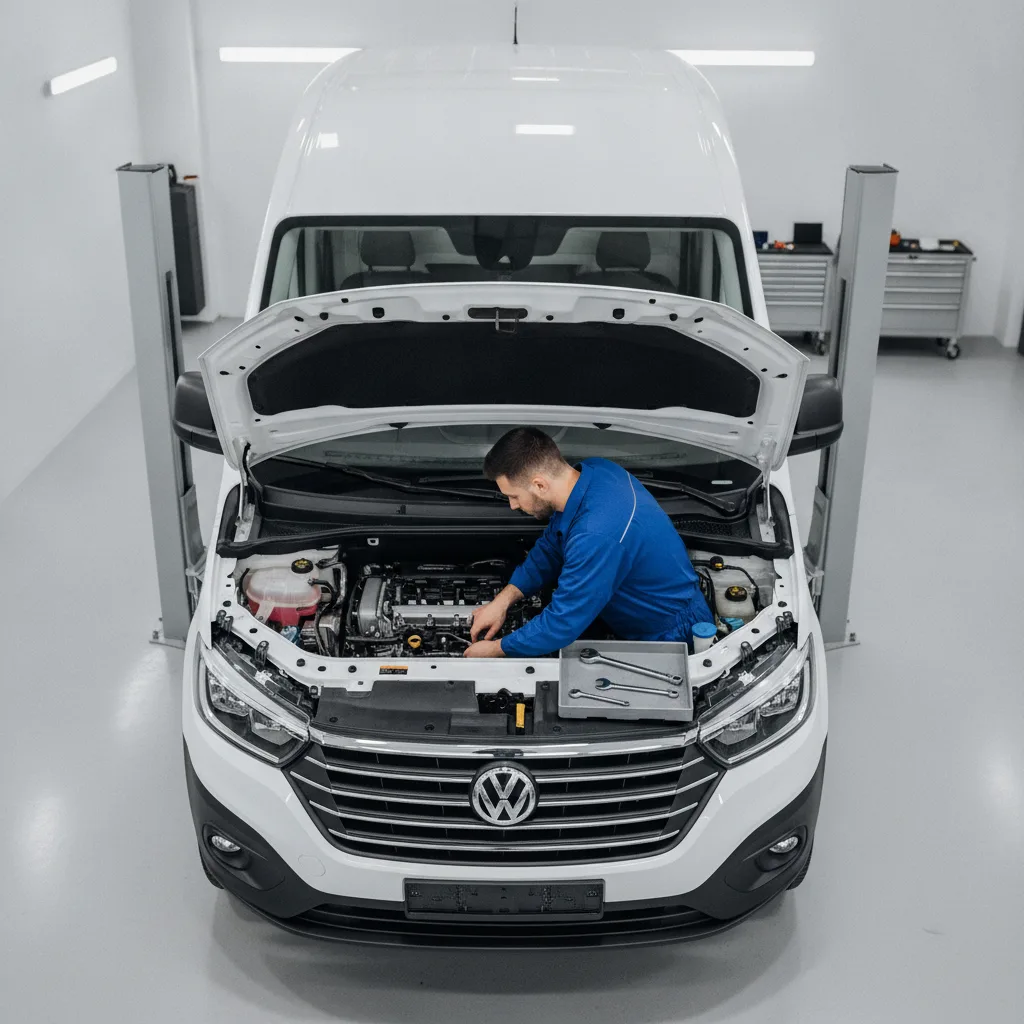
The 1.5-litre diesel engine found in post-2018 models delivers strong fuel economy, but it demands strict maintenance compliance. When inspecting under the bonnet, pay attention to the following areas:
1.5 Turbo D Camshaft Drive Chain Noise
Early iterations of the 1.5-litre diesel engine utilised a 7mm camshaft interconnecting chain. Over extended service intervals or when low-grade oil has been used, this chain can stretch, rattle, or snap, causing catastrophic internal engine damage. Start the engine from stone cold with the bonnet open. Listen for an erratic, metallic ticking or scraping noise coming from the top right-hand side of the cylinder head. Later updated engines received a reinforced 8mm chain setup; if service records do not indicate whether an early model has been inspected or upgraded, ask a qualified technician to verify it before committing.
AdBlue System and Emissions Equipment
Like many modern Euro 6 diesels used for urban trades, the Combo E can suffer from AdBlue injector crystallisation and tank sensor faults. Start the ignition and ensure that no countdown warning messages (such as non-start warnings) appear on the dashboard. Inspect the exhaust tailpipe for white, powdery crust, which signals leaking or poorly atomised AdBlue fluid. Ask the seller whether the van has undergone repetitive short trips; these engines require regular sustained motorway journeys to regenerate the diesel particulate filter (DPF) cleanly.
1.2 PureTech Petrol Timing Belts
If you are looking at a rare petrol variant, be aware that it uses a wet timing belt that runs directly in the engine oil. Neglected oil changes cause the belt material to degrade, shredding rubber debris into the oil pickup strainer. Remove the oil filler cap and use a torch to visually inspect the belt running underneath. If the rubber looks cracked, swollen, or frayed along the edges, walk away or factor in an immediate belt and oil strainer replacement.
Chassis, Steering, and Suspension
Small vans carrying heavy tools and hardware over potholes and speed bumps suffer accelerated chassis wear. During your inspection and road test:
- Front Top Mounts and Drop Links: Drive over uneven tarmac at lower speeds. Clunking or knocking noises from the front arches usually indicate worn anti-roll bar drop links or perished suspension top strut mounts.
- Uneven Tyre Wear: Check the tread depth across the entire width of all four tyres. Heavy scrubbing on the inner shoulders of the front tyres is extremely common on commercial Combos and points to tracking issues or worn lower control arm bushes.
- Rear Spring Sag and Bump Stops: Look underneath the rear wheel arches. If the rear suspension sits low while empty, or if the rubber bump stops show signs of heavy impact, crumbling, or contact scoring, the vehicle has likely been routinely overloaded.
Cargo Area, Sliding Doors, and Payload Capacity
Check the manufacturer weight plate, usually situated on the passenger-side B-pillar door shut. The Combo comes in L1 (standard) and L2 (long wheelbase) variants, with varying gross vehicle weights (GVW) allowing payloads from approximately 650kg up to 1,000kg depending on specification. Ensure the payload allowance matches the weight of your onboard tools, materials, and racking.
Inspect the sliding side doors thoroughly. The bottom roller wheels gather grit, swarf, and dirt from building sites, causing the doors to drop, stick, or scrape along the lower track paintwork. The side doors should glide freely with one hand and latch tightly without requiring heavy slamming. Check the rear asymmetric barn doors for hinge play and ensure the release handles disengage smoothly when opening to 180 degrees.
Interior Electrics and Cab Wear
The cab interior often reveals whether a van was maintained with pride or abused as a site vehicle. Turn on the ignition and systematically test every accessory:
- Electronic Handbrake: Post-2018 Combos feature an electronic parking brake switch. Ensure it engages and releases cleanly both automatically when pulling away and manually via the switch. Hesitation or dashboard warning lights can mean a failing rear caliper actuator.
- Touchscreen and Connectivity: Test the central infotainment screen for dead touch zones, screen freeze, and smartphone mirroring connectivity. Check that the heating and air conditioning blowers operate on all speeds without squealing.
- Steering Wheel and Pedals: Compare the physical wear on the steering wheel rim, driver's seat bolster, and pedal rubbers against the recorded odometer reading. Heavy wear on a van displaying low mileage should prompt you to carry out a rigorous MOT history check online to verify mileage continuity.
Managing Commercial Costs and Finance
Acquiring a reliable vehicle is essential for keeping your business mobile and avoiding lost working days. If you are structuring your business cash flow, exploring commercial van finance can help you spread the initial capital expense into manageable fixed payments rather than exhausting your working reserves. Keep in mind that used van values fluctuate based on condition, mileage, and Euro 6 compliance for Clean Air Zones across the UK.
Documentation to Check Before Shaking Hands
Never rely on verbal assurances regarding maintenance. Before exchanging funds, examine the following paperwork:
- The V5C Logbook: Ensure the vehicle identification number (VIN) on the V5C matches the stamped VIN plate at the base of the windscreen and on the chassis door frame. Verify the registered keeper details.
- Service Documentation: Demand stamped invoices showing that the correct low-ash synthetic oil grades were used at every interval, alongside fuel filter and brake fluid replacements.
- MOT Advisory History: Use the free Gov.uk MOT status check to view past test failures and advisories. Pay close attention to repeated advisories regarding brake disc corrosion, suspension arm bushes, and exhaust emissions smoke readings.
Frequently Asked Questions
What is the most reliable engine in a used Vauxhall Combo?
In the post-2018 Combo E range, the 1.5-litre Turbo D (100ps or 130ps) is reliable if it has a complete, on-time service history with the recommended oil specifications. However, prospective buyers should verify that the camshaft drive chain has been inspected or updated to the reinforced specification to prevent premature wear.
Can the Vauxhall Combo enter the London ULEZ without charge?
All post-2018 Combo E diesel models meet the Euro 6 emissions standard and are compliant with the London Ultra Low Emission Zone (ULEZ) and provincial Clean Air Zones (CAZ) across the UK. Earlier Combo D diesels registered prior to September 2016 generally fall under Euro 5 standards and are subject to daily charges. Check the specific registration number on the Transport for London vehicle checker before purchasing.
How often does the timing belt need changing on a Vauxhall Combo?
Intervals depend on the generation and engine variant. On 1.5-litre Turbo D engines, the timing belt replacement is typically specified around five to six years or between 60,000 and 100,000 miles depending on driving conditions. For 1.2 PureTech petrol models, intervals are shorter due to the wet-belt design. Check the manufacturer handbook for the exact schedule applicable to your engine code.