Used Vauxhall Vivaro: What to Check Before You Buy
The Vauxhall Vivaro has been a staple of British roads and building sites for over two decades. For a tradesperson, sole trader, or fleet operator, it offers a strong compromise between external dimensions, load capacity, and everyday drivability. However, because these vans work hard from day one, buying second-hand requires a methodical approach to separate well-maintained workhorses from neglected money pits.
Before committing to a purchase, you need to understand which generation you are inspecting, the mechanical weak spots common to each era, and the physical signs of heavy commercial abuse. Sourcing reliable transport through a marketplace of vetted used vans gives you access to a broader choice of stock, but conducting rigorous physical checks on site remains essential.
Vauxhall Vivaro Generations: Which Age to Choose
Understanding the production timeline is vital because the Vivaro completely changed platforms across its lifecycle:
- Vivaro A (2001–2014): Developed jointly with Renault (Trafic II). Earlier models featured 1.9-litre diesels, later replaced by the punchier 2.0 CDTi and rare 2.5 CDTi. These are budget work vans, but age and corrosion mean they require intense scrutiny.
- Vivaro B (2014–2019): Built in Luton, continuing the Renault partnership. Powered exclusively by 1.6 CDTi engines in single-turbo and BiTurbo configurations. Most are Euro 5, with Euro 6 arriving around late 2016 via AdBlue SCR systems.
- Vivaro C (2019–present): A complete shift to the Stellantis EMP2 platform, shared with the Citroën Dispatch, Peugeot Expert, and Toyota Proace. Powered by 1.5-litre and 2.0-litre Turbo D engines. These are modern, car-like vans compliant with London ULEZ and regional Clean Air Zones across the UK.
Engine and Mechanical Checks Under the Bonnet
Engine maintenance is the single most critical factor in Vivaro longevity. A missed service interval on modern high-pressure common-rail diesels can lead to catastrophic failure.
Vivaro A (2.0 CDTi) Injector Seizure
On Vivaro models produced up to 2014, inspect the plastic scuttle tray at the base of the windscreen. Rainwater frequently leaks through perished scuttle seals directly onto the top of the engine block. The water pools around the fuel injectors, causing severe galvanic corrosion. In bad cases, the injectors rust solid into the cylinder head, making routine removal impossible without specialist hydraulic pullers or cylinder head replacement. Look for telltale rust stains around the injector wells.
Vivaro B (1.6 CDTi) Turbochargers and Sensors
The 1.6-litre engine works hard to shift heavy payloads. On BiTurbo models, listen carefully for high-pitched whistling or dentist-drill noises under acceleration, which signal worn turbo bearings. Inspect the rubber boost pipes and intercooler hoses for splits, oily residue, or soft spots caused by oil contamination. Differential pressure sensors on the Diesel Particulate Filter (DPF) are also known failure points; look for intermittent engine management lights or warning messages indicating exhaust emissions faults.
Vivaro C (1.5 and 2.0 Turbo D) Camshaft Chains and AdBlue
On post-2019 models fitted with the 1.5-litre engine, listen for rattling or ticking from the top of the engine on cold start, which indicates premature wear on the internal camshaft timing chain tensioner. On both 1.5 and 2.0 units, check the AdBlue system. The tank filler neck and pump assembly can suffer from urea crystallization, triggering an engine management warning and an irreversible non-start countdown. Ensure the dash shows no pending emissions countdown warnings.
Gearbox, Clutch, and Transmission Wear
Manual gearboxes on earlier Vivaros (the PK6 six-speed and its successor, the PF6) are notorious for bearing wear. During your test drive, pay close attention to the transmission across every gear:
- Bearing Whine: Listen for a distinct hum or drone, particularly in third, fourth, and sixth gears under load. If the gearstick twitches backward and forward by several centimetres when coming on and off the throttle, the gearbox shaft bearings have excessive play and require an overhaul.
- Clutch and Dual Mass Flywheel (DMF): Depress the clutch pedal slowly at idle. If you feel a rhythmic pulsing through your boot sole or hear metallic chattering that disappears when the pedal is down, the DMF is worn. A heavy or sticky pedal indicates hydraulic slave cylinder issues, which usually requires dropping the gearbox to replace.
- Automatic Variants: Later Vivaro C models use the EAT8 eight-speed automatic. Shifts should be smooth and immediate. Any hesitation, slipping between lower gears, or harsh downshifts under braking suggests overdue transmission fluid changes or valve body wear.
Bodywork, Chassis, and Suspension Inspection
A Vivaro carrying max payload over rough access roads and construction sites puts severe strain on its running gear.
- Suspension Bushes and Ball Joints: Front lower wishbone rear bushes and anti-roll bar drop links wear out rapidly. Listen for clunks over speed bumps and feel for wandering steering at motorway speeds.
- Rear Coil Springs: Inspect the rear suspension springs with a torch. Trades vans frequently suffer from snapped bottom coils where road dirt settles and corrodes the steel.
- Side Loading Doors: Open and close the sliding side doors several times. They should slide smoothly on their runners without dropping. Worn lower rollers cause the door to drop, damaging the paintwork on the rear quarter panel and making latching difficult. Replacement roller kits are readily available, but paint damage leads to rust.
- Sill and Floor Pan Corrosion: On earlier models, check the jacking points and inner sills for severe corrosion, particularly around the rear wheel arches.
Cab Electrics, On-Board Tech, and Load Bed Checks
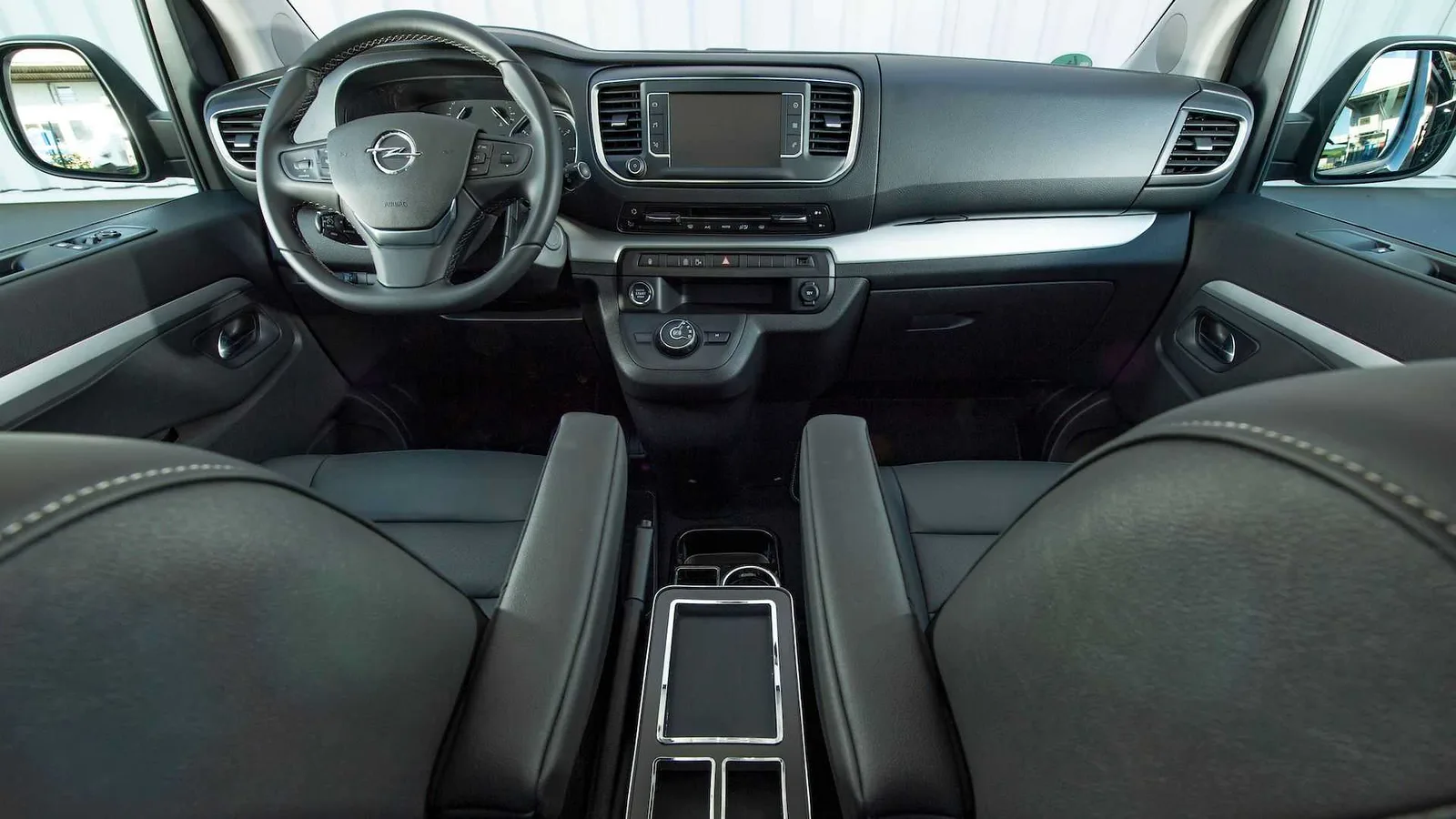
The cab serves as your mobile office, and electrical failures cause immediate operational downtime. Test every switch before leaving the seller's premises.
Check that the heater blower functions on all fan speeds; failure on speeds one, two, or three typically points to a blown thermal resistor pack. Test the electric windows, door mirror adjustments, and central locking from both the remote key fob and the interior switch. Broken wiring looms inside the flexible rubber boot between the driver's door and A-pillar frequently cut power to the central locking actuators.
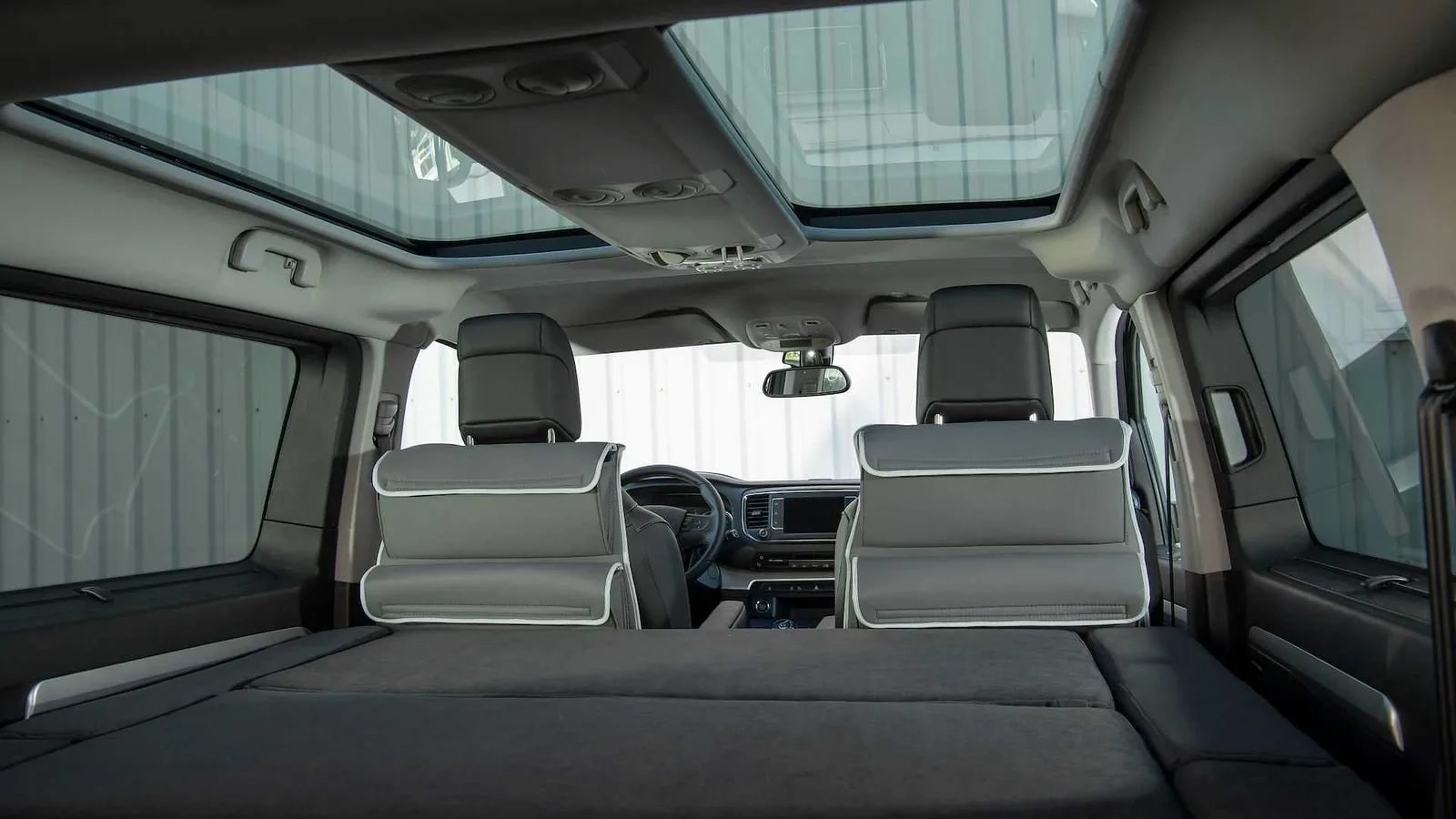
In the load area, lift the ply-lining or rubber matting if possible. Inspect the floor ribs for deep buckling, which indicates severe overloading. Heavy scoring, bare metal, or oil saturation will quickly lead to structural rust from the inside out if left unprotected.
Paperwork, Service History, and Commercial Checks
Never buy a commercial vehicle without verifying its operational history through its documentation:
- Gross Vehicle Weight (GVW): Check the chassis plate on the B-pillar to confirm the van's plated weight and payload rating. Make sure it matches your required carrying capacity. Overloading carries severe penalties from the DVSA.
- Service Intervals: Ensure oil services were carried out based on time as well as mileage. Delivery vans doing short, stop-start trips suffer severe oil dilution from interrupted DPF regenerations.
- Clean Air Compliance: If you work within urban clean air zones, check the V5C logbook to verify the Euro emissions standard (Euro 6 is required for diesel exemptions).
If you are planning to spread your vehicle acquisition costs, reviewing third-party van finance options can help your business manage cash flow without tying up operational working capital.
Frequently Asked Questions
What are the most common mechanical faults on a used Vauxhall Vivaro?
The most frequent issues vary by age. On older Vivaro A models (pre-2014), seized fuel injectors and gearbox bearing failures are standard issues. On Vivaro B models (2014–2019), turbocharger wear and split boost pipes on 1.6 BiTurbo engines are common. On post-2019 Vivaro C vans, AdBlue tank sensor faults and camshaft chain stretch on 1.5-litre engines require monitoring.
Are Vauxhall Vivaro vans cheap to maintain and repair?
Yes, because millions of Vivaros, Trafics, and Stellantis sister vans share the same platforms. Replacement parts, recon gearboxes, and pattern components are widely stocked across UK motor factors. Any reputable independent commercial garage will be thoroughly familiar with servicing and repairing these vans.
How do I check if a Vivaro has been overloaded by a previous owner?
Look at the rear stance of the van when unloaded; a sagging rear end suggests fatigued suspension springs. Check the bump stops on the rear axle for impact marks, cracks, or missing rubber, which prove the suspension has bottomed out repeatedly under excessive cargo weight.
Does a Vivaro require a timing belt or a timing chain change?
This depends entirely on the engine. Most Vivaro A 2.0 CDTi and Vivaro B 1.6 CDTi engines use a timing chain. Later Vivaro C models with the 1.5 or 2.0 Turbo D engine use a timing belt system that requires scheduled replacement based on manufacturer age and mileage intervals. Always consult the vehicle handbook or a specialist to confirm the exact schedule for the engine variant you are inspecting.