
Used Volkswagen Caddy: What to Check Before You Buy
You should inspect the service history, inspect the condition of the turbocharger, and verify the suspension integrity when buying a used Volkswagen Caddy. Checking these specific areas ensures you avoid hidden maintenance costs while securing a reliable workhorse for your business. Always prioritise a vehicle with a full log of scheduled maintenance to guarantee long-term performance.
Which versions and ages to consider
The Caddy has evolved significantly, with the latest generation offering more refined technology and comfort. If you are comparing your options, you might look at newer models or explore alternatives like a Nissan Townstar Lease or a Toyota Proace City Lease to see how they stack up against the Caddy’s residual values. Generally, mid-life models offer the best balance of modern features and depreciated pricing.
Body styles, payload and sizes
Volkswagen offers the Caddy in standard and Maxi variants, with the latter providing a longer wheelbase and increased cargo volume. Before settling on a Caddy, compare these dimensions against other popular small vans; for example, if you require specific load-through configurations, looking at a Vauxhall Combo Lease might provide a comparable storage solution to suit your daily operational requirements.

What to check on the van
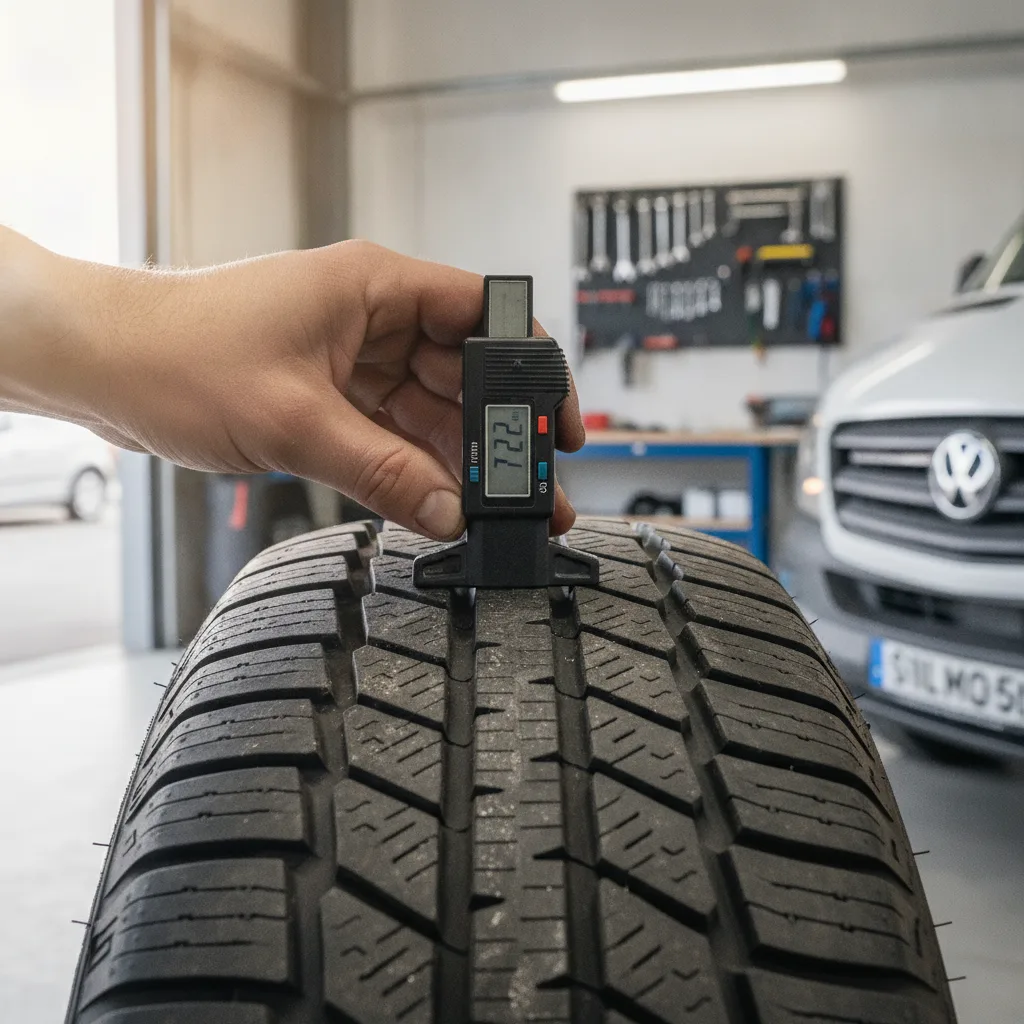
Always start your inspection by verifying the vehicle’s service book against the current mileage. Examine the tyres for uneven wear, which can indicate tracking or suspension issues. Test all electrical components, including the infotainment screen and air conditioning, as these are often overlooked but can be expensive to replace or repair if they fail shortly after purchase.
Known areas to inspect
Focus your attention on the sliding doors and rear barn doors to ensure they latch correctly without obstruction. On high-mileage examples, listen closely for any rattling from the timing chain or turbocharger during a cold start. Finally, inspect the load bay floor for excessive dents or rust, as this reveals how heavily the van was worked by its previous owner.

Frequently asked questions
FAQs
What should I check on a used Volkswagen Caddy? You should check the service history for regular oil changes, inspect the turbocharger for signs of smoke, examine the suspension for worn bushings, and test all sliding and rear door hinges for smooth operation.
Is a high-mileage Volkswagen Caddy worth buying? A high-mileage Caddy can be a reliable purchase provided it has a documented service history and the major mechanical components have been maintained according to manufacturer intervals.
Are there common electrical issues with the Caddy? While generally reliable, some older models may experience minor issues with sensor connectivity or entertainment system software. Always test every button and screen during your test drive.
How do I know if the turbo is healthy? A healthy turbo should be quiet during acceleration. If you hear a high-pitched whining noise or notice blue smoke from the exhaust, it may indicate that the turbocharger is nearing the end of its life.