Buying a used Ford Ranger
Used Ford Ranger Overview: The UK Pickup Benchmark
The Ford Ranger has held the top spot in the UK pickup sales charts for years, and for good reason. Originally conceived as an unpretentious utility tool, the Ranger transformed dramatically with the launch of the T6 platform in late 2011. Ford engineered a vehicle that could tackle extreme off-road terrain, transport heavy payloads, and tow maximum legal loads, while providing an interior experience comparable to a passenger SUV. For UK sole traders, agricultural operators, and fleet managers, a used Ford Ranger represents one of the most capable, durable, and commercially sound investments on the second-hand market.
Unlike conventional panel vans that restrict drivers to tarmac and light tracks, the Ranger combines ladder-frame chassis strength with a selectable four-wheel-drive system and a low-range transfer box. The platform has undergone major updates over its lifespan, including a comprehensive facelift in 2016 featuring updated front-end styling and electric power-assisted steering, followed by another critical powertrain overhaul in 2019 that introduced the 2.0-litre EcoBlue diesel engine lineup and a 10-speed automatic transmission. Whether you need a low-cost, stripped-back single cab for forestry duty or a high-spec Wildtrak to haul plant trailers during the week and transport family at the weekend, the used Ranger market offers a specification for virtually every commercial application.
Body Styles, Dimensions, and Load Capacity
When searching for a used Ford Ranger in the UK, understanding the differences between the three core cab styles is essential for matching your cargo needs and remaining on the right side of HM Revenue and Customs commercial vehicle rules.
- Regular Cab (Single Cab): Configured with two doors and two individual seats, the Regular Cab is the dedicated workhorse of the lineup. It boasts the longest load bed at approximately 2,317mm, with a width of 1,560mm and 1,139mm between the rear wheel arches. These models deliver the highest payload ratings in the range, frequently exceeding 1,200kg. However, they are predominantly found in entry-level XL trims and are rare on the used market outside dedicated utility fleets.
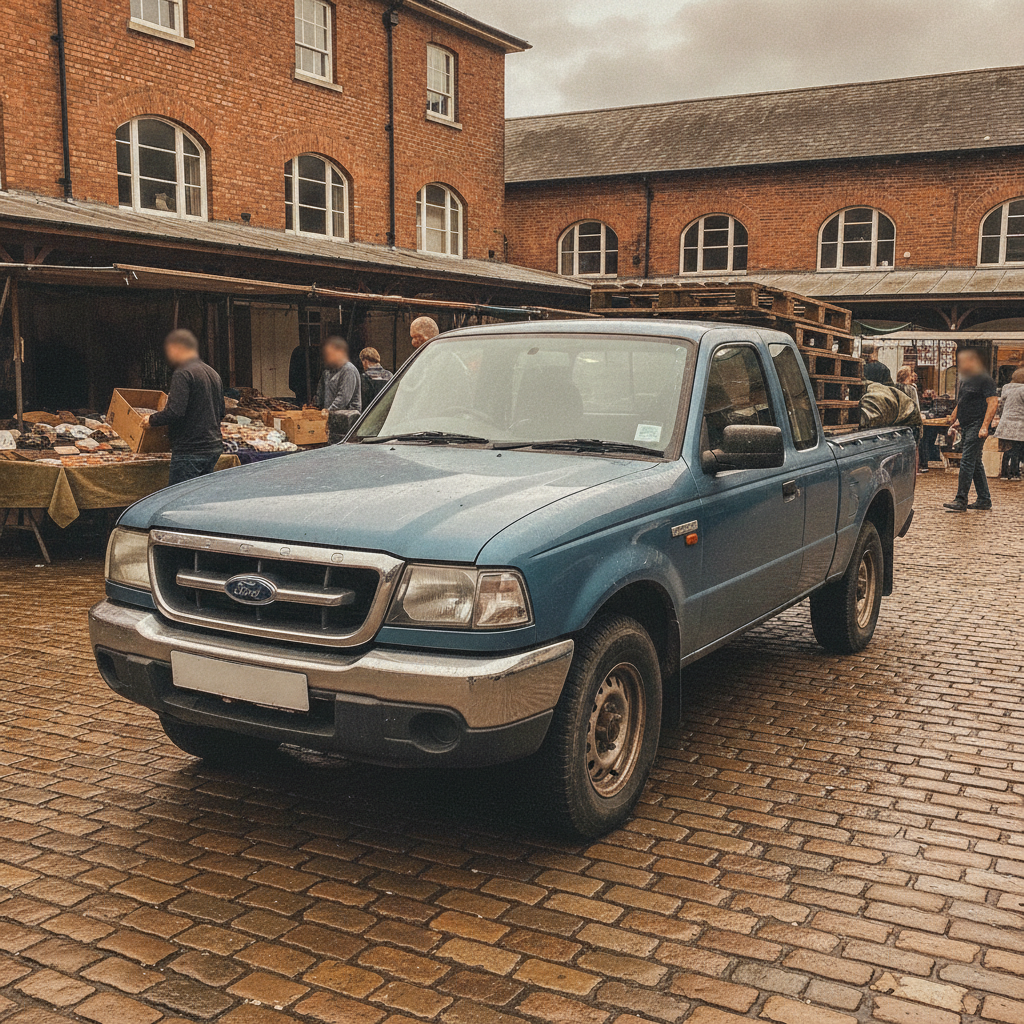
- Super Cab (Extended Cab): This variant features a two-plus-two seating configuration with rear-hinged reverse half-doors (suicide doors) behind the main cabin doors. It offers occasional rear seating or secure, dry internal storage for expensive tools and diagnostics kits. The load bed measures roughly 1,847mm in length, providing an excellent middle ground for tradespeople who require extended bed capacity without sacrificing internal storage.
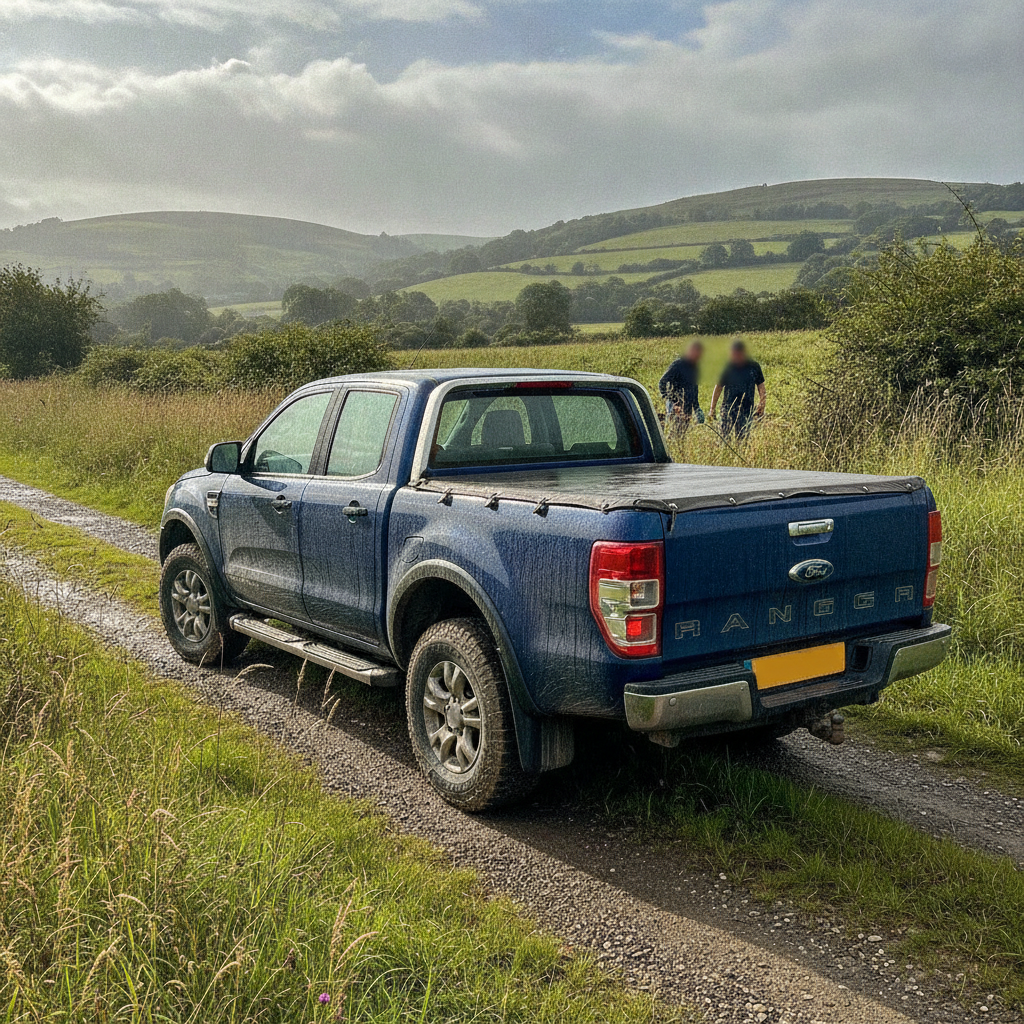
- Double Cab: The overwhelming favourite among UK buyers, accounting for the vast majority of used stock. It provides a full four-door, five-seater cabin that rivals modern SUVs for legroom and headspace. The compromise is a shorter load bed, measuring approximately 1,549mm to 1,575mm in length (depending on the production year). Crucially, the majority of used Double Cab Rangers retain a payload rating comfortably above the magic one-tonne threshold (typically between 1,020kg and 1,090kg), allowing VAT-registered businesses to reclaim VAT on the purchase price and benefit from fixed commercial vehicle Benefit-in-Kind (BIK) rates.
Across all variants, the load bed side depth sits around 511mm, providing ample containment volume for loose materials, sandbags, or stacked tool chests. With a width between the wheel arches of 1,139mm, standard Euro pallets must be loaded lengthways rather than sideways, an important factor to consider if you routinely take forklift-loaded goods.
Engine Options and Towing Capacity
The used market spans three distinct engine eras across the T6 generation, each carrying its own performance characteristics, fuel profiles, and maintenance requirements.
2.2-Litre TDCi Duratorq (2011–2019)
The entry-level four-cylinder diesel served as the fleet backbone for years. Early Euro 5 versions developed 125PS or 150PS, with post-2016 Euro 6 updates pushing output to 160PS and 385Nm of torque. Mated to either a six-speed manual or a six-speed automatic gearbox, the 2.2 TDCi is renowned for simple, proven mechanics and predictable power delivery. While it can feel strained when hauling maximum loads up steep gradients, it remains a reliable, cost-effective option for day-to-day trade use.
3.2-Litre TDCi Duratorq (2011–2019)
The iconic five-cylinder inline diesel made the Ranger a legend among plant hauliers and trailer operators. Developing 200PS and a massive 470Nm of torque from just 1,500rpm, the 3.2 TDCi provides effortless pulling power. Its distinctive five-cylinder warble and heavy-duty components make it exceptionally well suited for high-mileage highway cruising and heavy-duty towing. Fuel consumption is higher than that of four-cylinder rivals, but its mechanical durability under heavy stress is widely respected.
2.0-Litre EcoBlue (2019–Present)
Introduced to meet stricter Euro 6d-TEMP emissions standards, the 2.0 EcoBlue unit replaced both the 2.2 and 3.2 Duratorq engines. Available in single-turbo (130PS or 170PS with 420Nm) and Bi-Turbo (213PS with 500Nm) configurations, this modern powerplant brought substantial improvements to fuel economy, cabin noise, and low-end throttle response. The Bi-Turbo is paired with Ford's advanced 10-speed automatic gearbox, which keeps the engine in its optimal torque band and improves fuel efficiency at motorway speeds.
Towing Performance and Gross Train Weights
A primary selling point of the Ford Ranger is its 3,500kg braked towing capacity across the vast majority of four-wheel-drive Double Cab and Super Cab configurations. With a Gross Train Weight (GTW) typically rated at 6,000kg, a used Ranger can pull heavy plant, car trailers, or livestock trailers while carrying a significant payload in the bed. Always verify the vehicle weight plate under the bonnet, as certain early 2WD models or base-trim derivatives carry reduced ratings of 2,500kg or 3,000kg.
Who Buys a Used Ford Ranger and Why?
The Ranger appeals to a diverse range of UK trades, businesses, and outdoor operators who require more all-terrain versatility than a front-wheel-drive transit van can provide.
- Building Contractors and Groundworkers: Construction sites frequently turn to deep mud and rutted clay during winter months. The Ranger’s 230mm ground clearance, 800mm wading depth, and low-range 4WD keep contractors moving when standard delivery vans lose traction.
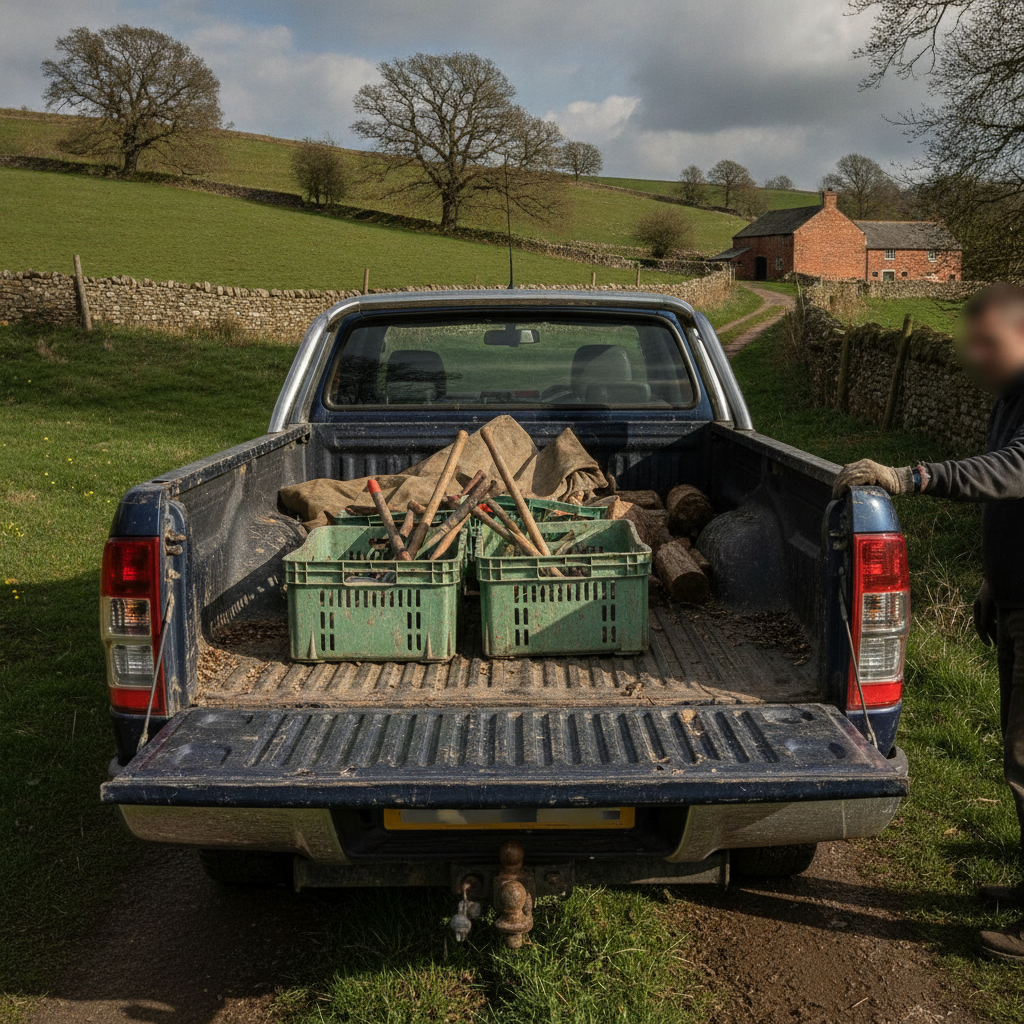
- Agricultural and Livestock Operators: Farmers require reliable towing power across sodden fields, the ability to throw feed bags and fencing posts into the bed, and dependable four-wheel traction in icy conditions.
- Tree Surgeons and Forestry Teams: Arborists routinely tow heavy woodchippers and carry logging equipment into off-grid woodland tracks. The heavy-duty leaf-sprung rear suspension withstands punishing weight over broken terrain without complaint.
- Mobile Mechanics and Plant Engineers: Equipped with a hardtop canopy or roller shutter, the Ranger's load bed transforms into a mobile workshop capable of reaching broken-down agricultural or civil machinery in remote locations.
- Dual-Purpose Sole Traders: Plumbers, electricians, and carpenters who need a tax-deductible commercial work vehicle that also handles school runs and holiday trips find the Ranger Double Cab far more comfortable and sociable than a conventional two- or three-seat van.
What to Look for When Buying a Used Ford Ranger
Because the Ranger is engineered for demanding tasks, many examples have led hard commercial lives. A thorough inspection is vital to avoid inheriting someone else's expensive repair bills.
Chassis Corrosion and Underbody Damage
Climb underneath the vehicle with a torch to inspect the box-section chassis rails. Check the crossmembers and the rear suspension mounts for structural rust. Mud and grit often accumulate inside the rear chassis sections behind the fuel tank, trapping moisture against the steel. Look for deep gouges or scrapes on the transfer case shield, engine sump guard, and front differential, which indicate heavy off-road use over rocks or forestry stumps.
The Critical 10-Minute Oil Change Issue (2.2 and 3.2 TDCi)
The 2.2-litre and 3.2-litre Duratorq engines utilise a variable-flow, vane-type oil pump. If the engine oil is drained and left empty for longer than 10 minutes during a service, the pump can lose its prime. Starting the engine after an extended drain without manual priming causes immediate oil starvation to the crankshaft, turbocharger, and big-end bearings, resulting in total engine failure within a few miles. Always inspect the vehicle's maintenance history to verify that servicing was completed by established commercial workshops familiar with this specific procedure.
Suspension, Brakes, and Tow Bar Wear
Inspect the rear leaf springs carefully. Look for cracked leaves, missing retention clips, or a sagging rear stance, all of which indicate frequent overloading. Inspect the tow bar and the electrical socket. A heavily scored tow ball suggests a life spent pulling maximum 3.5-tonne loads, meaning wheel bearings, universal joints, rear differential oil, and the gearbox clutch packs deserve closer scrutiny.
Transmission Operation and 4WD Selection
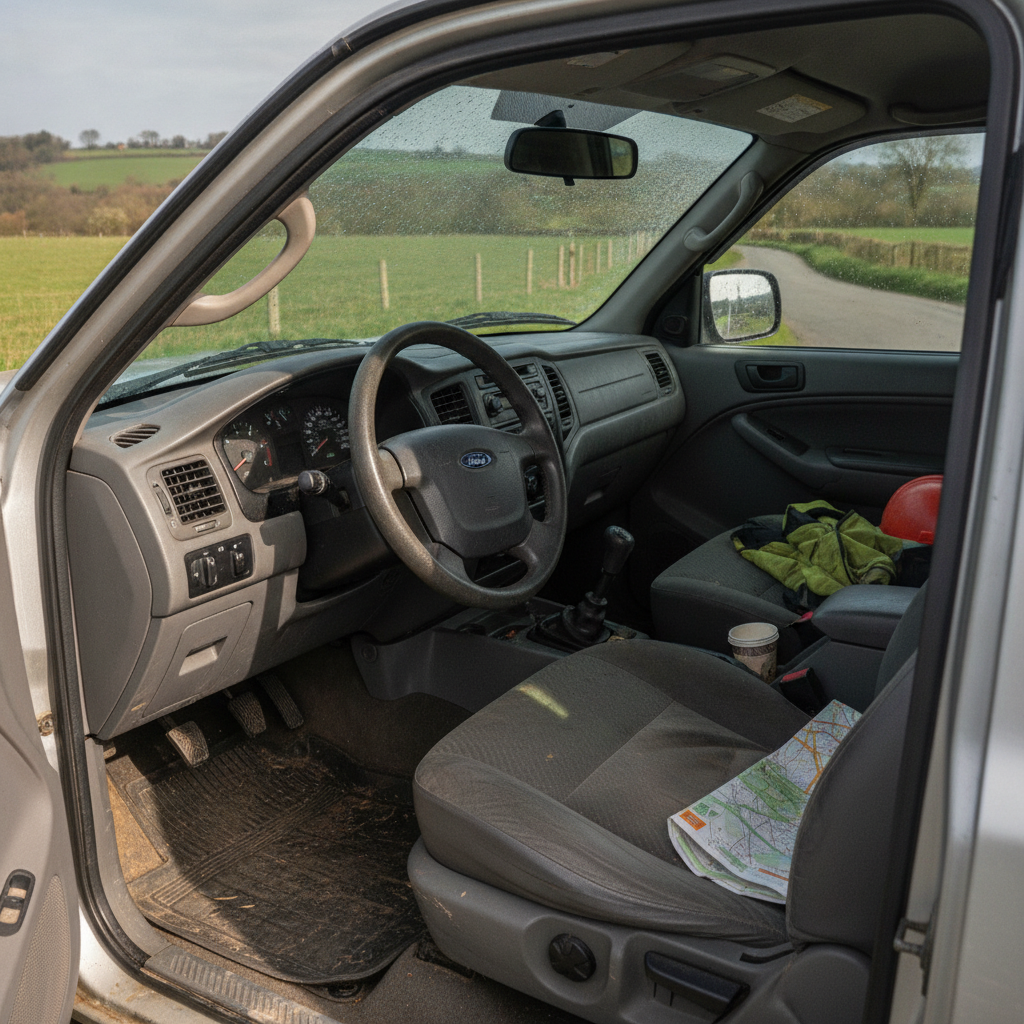
On manual models, check for high clutch pedal bite and clutch judder under load, which indicates a failing dual-mass flywheel. On six-speed and ten-speed automatics, check for sharp thumps on kickdown or slipping between gear changes. To test the four-wheel-drive system, locate a gravel or grass surface. Rotate the electronic dial from two-wheel-drive (2H) to four-wheel-drive high (4H); the dashboard light should illuminate promptly without flashing. Select neutral, stop the vehicle, and engage four-wheel-drive low (4L). Ensure the low-range gearing engages smoothly and without metallic grinding noises.
Load Bed and Tailgate Integrity
Check beneath plastic drop-in bed liners if feasible. Dirt and water get trapped beneath the plastic, wearing away the paint through vibration and inducing rust along the floor ribs. Check that the tailgate opens smoothly, that the retaining cables are not frayed, and that the internal latching mechanisms operate securely.
Common Faults and Troublesome Production Runs
While fundamentally solid, certain model years and components require heightened vigilance:
- EGR Coolers (All Diesels): Exhaust Gas Recirculation coolers on both Duratorq and early EcoBlue engines can crack internally, leading to slow coolant loss with no visible external leak. Check the coolant expansion bottle for oily film or low levels.
- DPF and AdBlue System Faults: Euro 6 models (late 2016 onwards) rely on AdBlue injection. Faulty tank heater elements, crystallised injector nozzles, and failing NOx sensors can trigger an engine no-start countdown. Ensure no emissions warning lights appear on the instrument cluster during a cold start.
- 10-Speed Automatic Calibration (2019–2020): Early versions of the 10R80 10-speed gearbox were prone to hunting between gears and harsh downshifts from third to second gear. Most issues were resolved via dealer software updates to the Transmission Control Module (TCM), but persistent slipping points to premature internal clutch wear.
- EcoBlue Wet Timing Belts: The 2.0 EcoBlue engine uses a belt-in-oil (wet belt) system for driving the camshafts. Degradation of this belt can clog the oil strainer with rubber debris. Verify strict adherence to oil specification and change intervals, as incorrect engine oil rapidly degrades the belt material.
Years to Approach with Caution
Early production models from 2012 and 2013 experienced higher-than-average rates of manual gearbox syncromesh failures and front propshaft vibration. Additionally, early 2016 models representing the initial transition to Euro 6 standards frequently suffered from software calibration glitches and premature DPF clogging. Models manufactured from 2017 to 2018 (late Duratorq) and 2021 onwards (refined EcoBlue) represent the most dependable used choices.
Used Ford Ranger Pricing Across the Market
Values on the used market vary based on condition, mileage, trim grade, and service history. Commercial vehicles are typically sold exclusive of VAT, so ensure you calculate whether VAT applies to your transaction.
Budget Commercial Workhorses: £6,000 to £11,000
This bracket consists primarily of early T6 models from 2012 through 2015. Expect odometers reading well over 100,000 miles. Vehicles in this category are commonly entry-grade XL or XLT trims with the 2.2 TDCi engine and a manual gearbox, frequently sourced from major utilities, council fleets, or construction companies. Minor body scuffs, worn load beds, and basic interiors are normal, but mechanical health and chassis solidity are what matter most here.
Mid-Range All-Rounders: £11,000 to £18,000
This price band opens up post-2016 facelift models, featuring the refreshed front grille, updated interior, and SYNC 3 touchscreen systems. You will encounter higher-specification Limited and Wildtrak models fitted with the popular 3.2 TDCi engine or late-era 2.2 TDCi units. Mileages typically range from 60,000 to 100,000 miles. These trucks often provide the sweet spot between modern road manners and robust mechanical hardware without demanding late-plate capital investment.
Late-Plate EcoBlue Models: £18,000 to £26,000
Covering vehicles from 2019 through 2022, this segment is dominated by the 2.0-litre EcoBlue engine paired with the 10-speed automatic gearbox. Expect comprehensive specification packages, including adaptive cruise control, leather interiors, lane-keeping assistance, and low-to-moderate mileage (under 50,000 miles). Most examples will have private or light trade usage rather than heavy industrial wear.
Nearly New and High-Spec Flagships: £26,000 and Above
At the top of the used market sit late-plate current-generation models, low-mileage Wildtraks, and performance-oriented Ranger Raptors. Raptors feature bespoke Fox racing shock absorbers, widened wheel tracks, and off-road chassis reinforcements, though buyers should note that most Raptor models carry a payload rating under one tonne and therefore lose their commercial VAT reclamation status.
Real-World Running Costs: What to Expect
Operating a pickup truck involves different running cost dynamics compared to a standard panel van or estate car.
Fuel Economy
Real-world fuel efficiency depends heavily on engine choice, gearing, and whether you are towing:
- 2.2 TDCi: Averages between 30mpg and 35mpg on mixed routes, dropping to roughly 24mpg when towing heavy plant.
- 3.2 TDCi: Return figures typically land between 25mpg and 29mpg during normal unladen driving, dropping to 18mpg to 22mpg under maximum load or during urban stop-start conditions.
- 2.0 EcoBlue Bi-Turbo: Easily delivers 32mpg to 37mpg on open motorway journeys due to the tall overdrive ratios of the 10-speed gearbox, settling around 28mpg in mixed commercial use.
Road Tax and Insurance
Because the vast majority of Ford Rangers are registered as Light Commercial Vehicles (category N1), they are subject to standard flat-rate commercial vehicle Vehicle Excise Duty (VED), rather than the emissions-based sliding scales applied to passenger cars. This flat-rate road tax provides predictable overheads, regardless of engine displacement.
Insurance groupings for the Ford Ranger are generally higher than standard mid-sized vans. Ranging between Group 37 and Group 42 depending on trim level and engine choice, premiums reflect higher repair costs, strong vehicle weights, and off-road capability. High-spec Wildtrak and Raptor models are targeted by organised vehicle thieves, making aftermarket immobilisers and tracker installations a sensible option that can also reduce premium rates.
Servicing and Routine Maintenance
Service intervals on the 2.0 EcoBlue are officially scheduled every two years or 20,000 miles, but working pickups operating in dusty conditions, towing heavily, or conducting frequent short journeys should have engine oil and filters changed every 10,000 miles or 12 months. Transmission fluids, transfer box oils, and front/rear differential fluids must be refreshed every 40,000 to 50,000 miles to preserve the four-wheel-drive components.
Financing Your Used Ford Ranger
Acquiring a commercial vehicle requires an option that preserves operational cash flow while matching your tax strategy. Small businesses and sole traders exploring their funding avenues should investigate commercial van finance packages that permit tailored deposit amounts and structured monthly outlays to suit seasonal earnings.
The most common route for used vehicles is Hire Purchase (HP), where the business pays an initial deposit (frequently equal to the reclaimable VAT), followed by fixed monthly instalments over two to five years. Once all payments and the option-to-purchase fee are completed, full ownership transfers directly to your business. This allows you to claim writing-down allowances against business profits.
Alternatively, if you prefer running late-plate vehicles with lower monthly commitments and the option to upgrade every few years, commercial finance leasing or exploring modern van lease deals provides an effective way to avoid depreciation risks while keeping overheads manageable. Operating a well-chosen used Ford Ranger delivers unmatched versatility, strong residual values, and the heavy-duty muscle your trade demands.