Buying a used Ford Transit
The Backbone of British Business: Ford Transit Overview
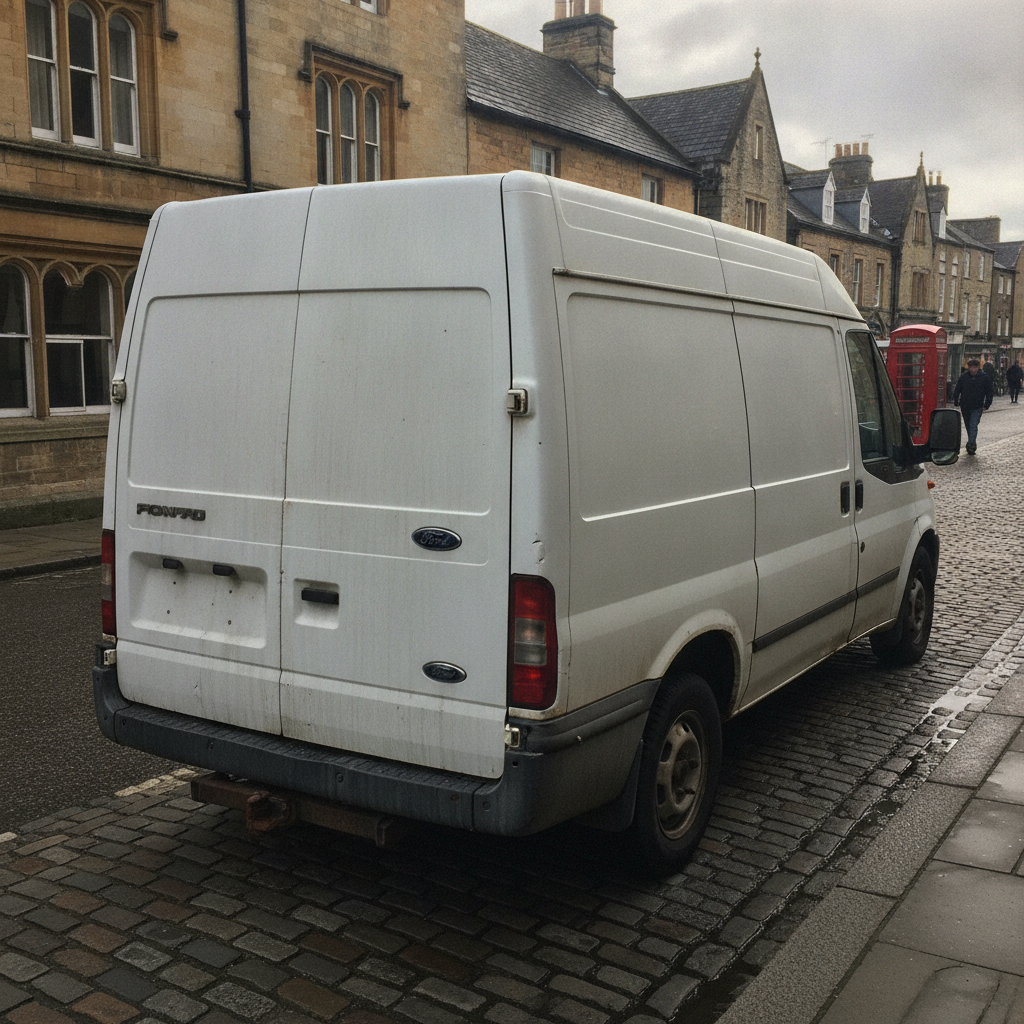
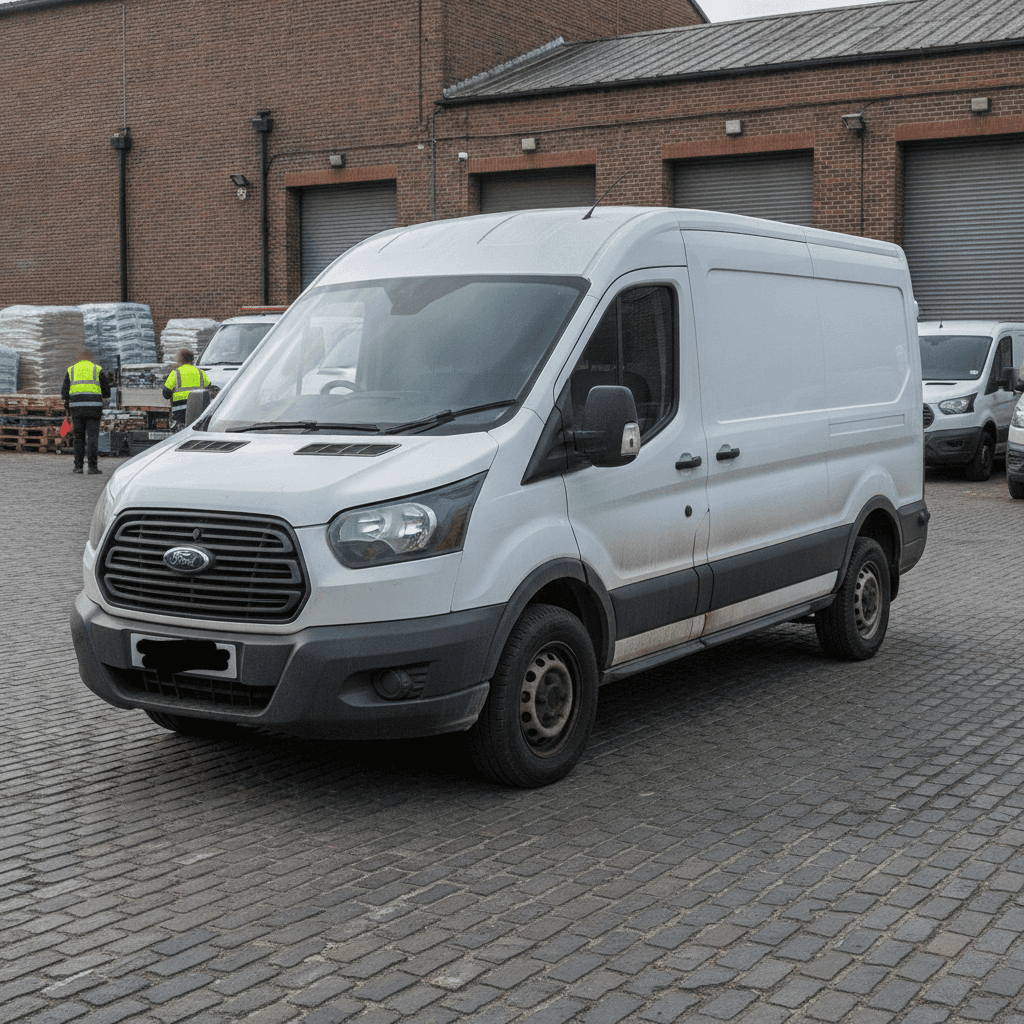
The Ford Transit is not merely a commercial vehicle in the United Kingdom; it is an industrial institution. For decades, it has stood as the benchmark by which every other panel van is judged. When UK tradespeople, fleet managers, and owner-drivers talk about a full-size working van, the standard two-tonne Ford Transit—often referred to as the Mk8 in modern guise—is inevitably the default measuring stick. Positioned above the mid-sized Transit Custom, the full-size Transit is designed for serious payloads, bulky volumetric cargo, and relentless daily mileage under demanding commercial operating conditions.
What sets the Ford Transit apart in a crowded commercial market is its car-derived ergonomics, exceptional chassis dynamics, and an unmatched support infrastructure. Across the UK, virtually every commercial garage, independent mechanic, and motor factor carries immediate access to parts, diagnostics, and technical familiarity. Operating a commercial vehicle is ultimately an exercise in uptime management. When unexpected mechanical issues arise, a Transit rarely spends days waiting for back-ordered parts from overseas distribution hubs. Paired with refined road manners that reduce driver fatigue on long motorway stretches, the Transit remains the most ubiquitous sight on British roads for good reason.
Ford Transit Dimensions, Weights, and Specifications
Navigating the used market requires an understanding of Ford's dimensional coding. The full-size Transit is offered in three primary lengths and two primary roof heights, alongside a selection of gross vehicle weight ratings.
Body Lengths and Load Volumes
- L2 (Medium Wheelbase): Features an overall vehicle length of approximately five point five three metres, with an internal cargo floor length of roughly three point zero four metres. Cargo capacity ranges from nine point five to ten point seven cubic metres depending on the roof height selected.
- L3 (Long Wheelbase): Extends the total length to five point nine eight metres, providing a cargo floor length of three point four nine metres. Cargo volume increases to between eleven and twelve point four cubic metres. This is widely considered the sweet spot for general construction trades.
- L4 (Long Wheelbase Extended Frame / 'Jumbo'): Pushes the vehicle length to six point seven metres, offering an internal cargo floor length exceeding four point two metres and a cavernous load volume of up to fifteen point one cubic metres. This variant is engineered specifically for high-bulk haulage, parcel distribution, and long-form timber transport.
Roof Heights
- H2 (Medium Roof): Provides an internal cargo height of approximately one point seven eight metres in front-wheel-drive configuration and one point seven metres in rear-wheel-drive guise. Most adults can stand upright with a modest neck bend.
- H3 (High Roof): Increases internal load height to more than two metres, allowing over six feet of clear standing headroom. This is indispensable for mobile workshops requiring high racking and multi-drop delivery drivers moving inside the load bay.
Drivetrain Configurations: FWD, RWD, and AWD
Unlike many competitors that commit to a single drive layout, the full-size Transit offers three distinct configurations:
- Front-Wheel Drive (FWD): Built with an engine mounted transversely. By eliminating the prop shaft running to the rear, the load floor sits approximately one hundred millimetres lower to the ground. This setup delivers lower unladen kerb weights, maximising net payload, improving fuel economy, and facilitating easier curb-side loading.
- Rear-Wheel Drive (RWD): Built with an engine mounted longitudinally. Delivering power straight to the rear axle, this layout is engineered for heavy hauling, towing up to three point five tonnes, and carrying maximum capacity without losing front-axle traction. It also features a noticeably tighter turning circle than front-drive counterparts.
- All-Wheel Drive (AWD): Utilises an electronic, variable torque-split system that sends drive to the front wheels automatically when rear slip is detected. Popular with utility infrastructure contractors, highway maintenance crews, and arborists accessing unpaved worksites.
Gross Vehicle Weights and Payloads
The standard used market is dominated by models badged 350, denoting a three point five tonne Gross Vehicle Weight (GVW). These can be driven on a standard UK car driving licence. Within the 350 category, net payloads vary widely based on specification. A stripped-out, front-wheel-drive L2H2 panel van can offer a payload capacity approaching one thousand four hundred kilograms, whereas a fully equipped, rear-wheel-drive L4H3 model carrying heavy-duty options may see its legal payload capacity reduced to under one thousand kilograms. Heavier commercial iterations rated at four point seven tonnes GVW (470 series) require a Category C1 driving licence, digital tachograph compliance, and commercial operator licensing.
Engine Line-up and Transmissions
Understanding what sits beneath the bonnet is critical when evaluating reliability, maintenance regimes, and emissions compliance for urban low-emission access.
The 2.2-litre TDCi Duratorq (2014 to Mid-2016)
Found on earlier Mk8 iterations, the 2.2-litre Duratorq engine is a traditional four-cylinder common-rail turbo-diesel utilising a conventional timing chain. It was offered in outputs of one hundred, one hundred and twenty-five, and one hundred and fifty-five brake horsepower. These engines are predominantly certified to Euro 5 emissions standards. While they lack the fuel efficiency and refinement of later engines, their chain-driven architecture appeals to operators wary of internal oil-bathed belts. However, unless fitted with an expensive aftermarket retrofit, these vehicles do not comply with the London Ultra Low Emission Zone (ULEZ) or regional Clean Air Zones (CAZ).
The 2.0-litre EcoBlue Panther (Late 2016 to Present)
Introduced to meet Euro 6 emissions targets, the 2.0-litre EcoBlue diesel engine replaced the 2.2 Duratorq. Initially offered in outputs of one hundred and five, one hundred and thirty, and one hundred and seventy horsepower—with a top-tier one hundred and eighty-five horsepower version joining the range during the 2019 facelift—this engine transformed the Transit's driving dynamics. It produces significantly higher low-end torque, runs far quieter, and improves fuel economy by roughly ten percent. It features an AdBlue selective catalytic reduction (SCR) system and is fully compliant with all UK Clean Air Zones. Critically, this engine family employs an internal timing belt immersed in oil, known widely across the trade as a wet belt.
Transmissions
The standard gearbox across all generations is a robust six-speed manual offering clean, short-throw mechanical engagement. On post-2016 front-wheel-drive models, a smooth-shifting six-speed torque-converter automatic became optional. From the late 2019 facelift onwards, rear-wheel-drive variants gained access to an exceptionally refined ten-speed automatic transmission developed jointly with General Motors, providing seamless ratio selection that keeps the engine in its optimal torque curve under heavy towing loads.
Who Buys the Used Ford Transit and Why?
The full-size Ford Transit is the definitive general-purpose workhorse, split across several core trade segments:
- General Builders and Groundworkers: Heavy-duty L3 and L4 rear-wheel-drive panel vans, tippers, and dropsides dominate building sites. The capacity to haul bulk bags of ballast, scaffolding boards, and cement mixers while towing an excavator makes the rear-drive Transit irreplaceable.
- Plumbing, Heating, and Electrical Contractors: Mid-length L2H2 and L3H2 models provide internal dimensions that comfortably accommodate three-metre copper pipes, high-volume tool vaults, and full metal racking systems down both flanks without impeding access to central walkway space.
- Multi-Drop Courier Fleets and Hauliers: High-roof front-wheel-drive L3H3 and L4H3 vans dominate long-distance logistics. The lower floor height reduces repetitive strain on drivers hopping in and out fifty times a day, while the boxy proportions allow efficient stacking of pallets and parcel cages.
- Campervan Converters: As second-hand values of comparable European vans remain elevated, the Mk8 Transit has become a favoured platform for off-grid camper conversions. Its internal body width permits transverse sleeping layouts, and parts can be repaired anywhere along remote coastlines.
What to Look for When Buying a Used Ford Transit
Because the Transit is a commercial work tool, many examples have spent their early years working hard on commercial contracts. Inspecting a prospective purchase requires methodical technical due diligence.
The EcoBlue Wet Belt Inspection
The single most critical mechanical check on any post-2016 2.0-litre EcoBlue engine concerns the wet timing belt. The belt runs directly in the engine oil. If the incorrect oil specification is used, if service intervals are stretched, or if oil suffers diesel dilution from failed particulate filter regenerations, the rubber compound deteriorates. Rubber debris strips away and gathers in the engine sump, directly blocking the fine wire mesh of the oil pickup strainer. Once starved of oil, the engine experiences catastrophic oil pressure loss, followed rapidly by turbocharger failure and complete bottom-end seizure.
When assessing a used 2.0-litre Transit, remove the oil filler cap and inspect the visible teeth of the timing belt using a small torch. Check for cracks, fraying edges, or swelling. Demand comprehensive paper evidence that the van has received documented oil changes using the precise Ford-approved oil formulation. If the van is approaching or exceeding one hundred thousand miles and has not had its timing belt replaced, factor this substantial labour-intensive service into your negotiations immediately.
Fuel Injector Reliability
Early iterations of the 2.0 EcoBlue engine suffered from high failure rates on their Continental piezo diesel injectors. Symptoms include an erratic, rough idle on cold startup, excessive white or dark exhaust smoke, a rhythmic tapping under moderate acceleration, and sudden cut-outs that trigger an engine management warning. Check whether the injectors have been replaced with upgraded revisions. Listen carefully to the engine bay during an extended cold start.
DPF Status and Oil Dilution
Like all modern commercial diesels, the Transit relies on a Diesel Particulate Filter (DPF) paired with AdBlue dosing. Vans used exclusively for short-distance, stop-start urban duties never achieve the continuous exhaust temperatures necessary to execute active regeneration cycles. During an incomplete cycle, unburnt diesel is pumped into the cylinders to raise exhaust heat; when this cycle aborts, the surplus fuel washes down the cylinder walls into the engine sump.
Always pull the engine dipstick before starting the vehicle. If the oil level sits noticeably above the maximum fill marker and smells strongly of diesel, the vehicle is suffering from chronic oil dilution. This not only destroys engine bearings but massively accelerates wet-belt degradation.
Structural Integrity and Underside Condition
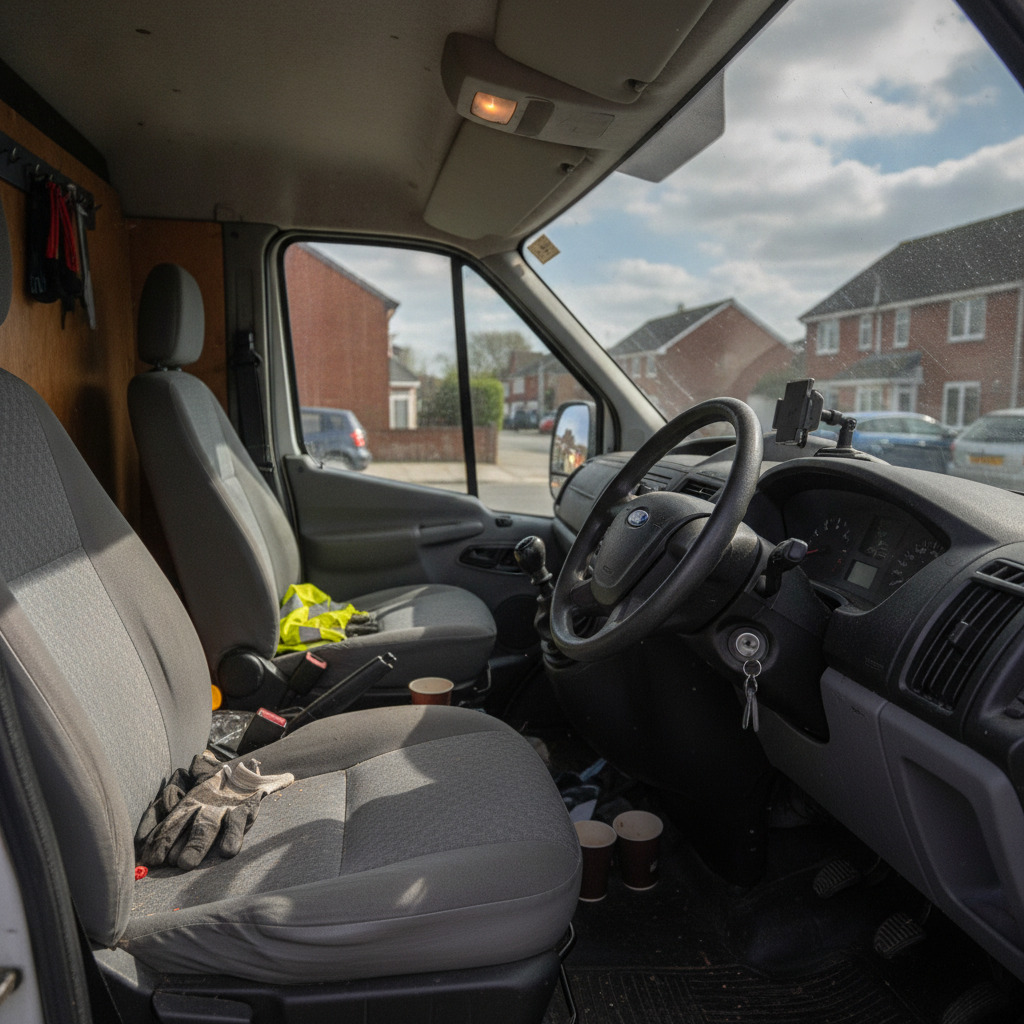
While the modern Mk8 platform resists rust vastly better than the earlier Mk7 series, harsh UK road salt remains an issue. Get underneath the vehicle with a work light. Inspect the rear spring hanger brackets, the rear chassis crossmembers, the lower inner sills, and the seam welds around the suspension turrets. Ensure that heavy surface oxidation has not transitioned into structural scaling, particularly on ex-utility or municipal council fleets used across northern rural networks.
Suspension, Driveline, and Brakes
Full-size Transits carry substantial mass, leading to predictable wear patterns across mechanical running gear:
- Suspension Bushes and Ball Joints: Listen for heavy clunking over speed bumps. Front lower wishbone rear bushes and anti-roll bar drop links deteriorate rapidly if vehicles routinely traverse rough building plots.
- Prop Shaft Centre Bearings: On rear-wheel-drive variants, check the central support bearings along the split prop shaft. Excessive play causes an unmistakable vibration through the floorpan between forty and fifty-five miles per hour under acceleration.
- Differential Leaks: Look for fresh gear oil weeping from the rear axle differential casing seals on RWD models.
- Braking Components: Check the thickness of the front and rear discs. Rear discs on full-size Transits require significant labour to replace, as the rear hub assembly must be dismantled on heavy-duty hub configurations.
Years and Specifications to Avoid
Not every used Transit presents an equal ownership proposition. Exercising caution around specific production periods will safeguard your commercial capital:
- 2016 to 2018 Unverified 2.0 EcoBlue Models: Avoid early Panther-engine vans that exhibit sparse, incomplete service histories. The combination of early-batch fuel injectors and potential wet-belt degradation creates an immense mechanical liability.
- Non-Euro 6 Models for Clean Air Work: Pre-2016 2.2 TDCi models will incur severe daily charges in London, Birmingham, Bristol, Sheffield, Bath, and Newcastle. Unless your work operates exclusively outside designated clean air zones, standard Euro 5 models are financially impractical.
- Ex-High-Volume Multi-Drop Parcel Vans: While attractively priced, high-mileage extended-frame panel vans retired from major national distribution fleets have experienced grueling lives. Thousands of harsh clutch drops, worn door hinges, stressed starter motors, and severe stop-start cycles mean these vehicles often require deep mechanical overhaul.
Used Ford Transit Price Bands: Realistic UK Market Tiers
Values on the pre-owned market depend on mechanical condition, mileage, body style, and whether the vehicle holds Euro 6 status. Below are realistic commercial price categories you can expect to navigate.
Entry-Level Workhorses: Under £6,000
Within this bracket, buyers find older high-mileage early Mk8 models and late-era Mk7 workhorses. Mileage will typically exceed one hundred and forty thousand miles, with noticeable cosmetic scuffs, interior cab wear, and surface corrosion across the undercarriage. Vehicles here are almost universally Euro 5 compliant, meaning they are best suited to local trade duties outside clean air regulatory zones. Buyers must keep an immediate mechanical contingency fund to address wear components, clutches, and suspension linkages.
Solid Independent Trades Range: £6,000 to £12,000
This is the most competitive section of the UK used market. Here you find 2015 to 2018 Mk8 vans showing between eighty thousand and one hundred and twenty thousand miles. Early Euro 6 2.0-litre EcoBlue vans become readily accessible, alongside well-kept, late-plate Euro 5 2.2-litre TDCi vehicles. You can expect tidy interiors, sound bodywork with light working blemishes, and operational ply-lined cargo bays. Verified service history and proof of timely oil changes are non-negotiable requirements when purchasing in this price territory.
Late-Plate and Facelift Models: £12,000 to £18,000
Stepping into this category secures post-2018 and early facelift 2019/2020 models with under eighty thousand miles on the odometer. Vehicles here will typically include the refined Euro 6d-Temp EcoBlue powertrains, improved interior cabins featuring the eight-inch touchscreen running modern connectivity suites, and higher-tier trim packages such as Trend or Limited. These vans benefit from air conditioning, cruise control, parking sensors, and heated windscreens. Most have emerged from single-owner long-term commercial leases with comprehensive main-dealer service logs.
Nearly-New, Automatics, and Conversions: £18,000 to £28,000+
At the top of the used market sit late-plate examples, low-mileage 2021 to 2023 registrations, rare ten-speed automatic rear-wheel-drive vans, and specialised factory conversions including one-way tippers, three-way dropsides, and Luton box bodies with electric tail-lifts. These vehicles show minimal signs of wear, retain remaining manufacturer warranty coverage, and feature modern driver-assist safety packs, including autonomous emergency braking and cross-traffic monitoring.
Real-World Running Costs: What to Budget
Operating a full-size van requires an appreciation of ongoing running expenses beyond the forecourt price.
Fuel Consumption
Fuel efficiency varies directly based on roof height, drivetrain, and carried weight. In day-to-day mixed driving conditions, a front-wheel-drive L2H2 EcoBlue model will return realistic figures of thirty-two to thirty-six miles per gallon on steady motorway runs, dipping down to twenty-eight miles per gallon in stop-start urban environments. By contrast, a fully loaded rear-wheel-drive L4H3 jumbo carrying over a tonne of materials, or an all-wheel-drive variant tackling hilly rural routes, will routinely average between twenty-three and twenty-six miles per gallon.
Commercial Insurance
Full-size Transits fall into relatively high commercial vehicle insurance groupings, typically sitting between Group 35 and Group 44 depending on engine output, payload tier, and security features. Premiums are influenced heavily by your business operational trade, goods in transit coverage, overnight parking location, and driver age profiles. Fitting aftermarket Thatcham-accredited slam-locks, OBD port immobilisers, and visible steering wheel locks is highly recommended, as the Transit remains an unfortunate target for targeted tool theft across UK metropolitan districts.
Routine Servicing and Maintenance Schedules
Ford originally stated that 2.0 EcoBlue engines could endure servicing intervals of two years or up to thirty thousand miles. For anyone owning or buying a used van outside of a throwaway lease cycle, adhering to this interval is high-risk. High-mileage trades should service their Transit every ten thousand to twelve thousand miles, or annually, without exception. Using strictly the correct low-viscosity synthetic engine oil containing specific anti-degradation additives protects the wet belt from premature decomposition. Brake pads and discs will need checking every twenty thousand miles, especially on stop-start multi-drop duties.
Commercial Finance and Acquisition Routes
Securing the right commercial vehicle relies on structuring payments in a way that protects your business cash flow. Rather than tying up working capital in a depreciating metal asset, most business owners and sole traders evaluate flexible finance paths.
Investing via targeted commercial van finance allows you to spread the acquisition cost of a dependable used Transit over fixed monthly periods ranging from twenty-four to sixty months. Hire purchase arrangements let you settle the full value over time, ultimately retaining ownership of the asset on the company balance sheet. Alternatively, finance lease solutions allow you to run the vehicle with low initial capital outlay, settling fixed monthly rentals with options for handling final residual values at the conclusion of the operating cycle.
If you prefer driving younger vehicles covered by manufacturer warranties without shouldering long-term disposal and depreciation risks, exploring contemporary van lease deals can offer an attractive alternative to outright purchasing on the pre-owned market. Monthly payments can often be treated as tax-deductible commercial business expenses against your operational profits.
Final Buying Checklist for UK Tradespeople
Before transferring funds or signing finance agreements on a used Ford Transit, tick off these vital operational checkpoints:
- Service Validation: Ensure uninterrupted proof of oil changes strictly matching manufacturer oil grading parameters, particularly on EcoBlue platforms.
- Wet Belt Health: Inspect the belt through the oil filler aperture for early signs of tooth wear, cracking, edge fraying, or rubber separation.
- Chassis Corrosion: Visually confirm that the rear chassis rails, leaf-spring hangers, and structural floor ribs are free from structural corrosion.
- Cold Start Evaluation: Start the engine when completely stone cold. Check for smooth idling across all four cylinders, checking for injector knock, white smoke, or erratic RPM fluctuations.
- Door Latches and Security: Inspect side loading door tracks, rear door check straps, and central locking solenoids to confirm load space security functions perfectly.
- Drivetrain Alignment: On rear-drive models, accelerate smoothly through the middle gears up to motorway cruising speed to ensure no propeller shaft vibration or axle whine disrupts the cabin.