Buying a used Renault Trafic
Selecting a dependable medium commercial vehicle is one of the most critical operational decisions a sole trader or fleet manager can make. The used medium van sector in the United Kingdom is dominated by a handful of established nameplates, but few offer the precise balance of payload capacity, cab comfort, and mechanical simplicity provided by the Renault Trafic. First introduced decades ago and continuously refined across three distinct generations, the Trafic has earned its position as an industry benchmark for tradespeople who demand daily reliability without paying inflated brand premiums.
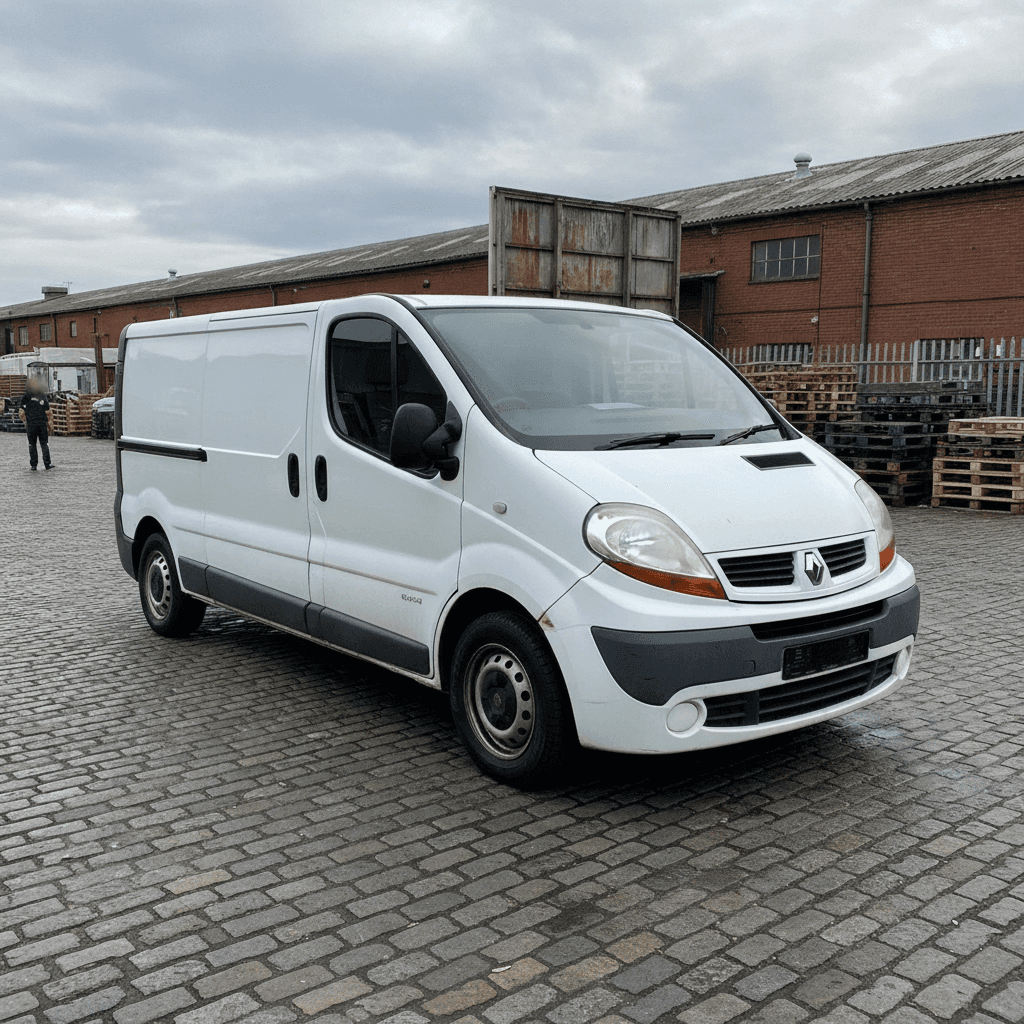
Third-generation models, produced from 2014 onwards and updated significantly in late 2019 and 2021, represent the sweet spot in the second-hand commercial market. Sharing its core platform architecture with the Vauxhall Vivaro (up to 2019), the Fiat Talento, and the Nissan NV300 / Primastar, the Renault Trafic benefits from an exceptionally wide parts distribution network across the UK, keeping maintenance straightforward and workshops familiar with its mechanical layout. Whether you run a mobile carpentry setup, manage a multi-drop logistics operation, or need a clean platform for a weekend camper conversion, investing in a pre-owned Trafic requires understanding its mechanical evolution, structural strengths, and common maintenance vulnerabilities.
Renault Trafic Model Overview: Strengths and Design Philosophy
The Renault Trafic is distinguished primarily by its driver-centric cabin environment, compliant road manners, and square, practical load compartment. In developing the third-generation platform, Renault set out to eliminate the utilitarian, harsh driving experience historically associated with medium commercial vehicles. The result is a chassis that utilizes car-derived front MacPherson strut suspension and an adapted torsion beam rear configuration that handles potholes, rough worksite access tracks, and washboard tarmac with far greater composure than many of its leaf-sprung rivals.
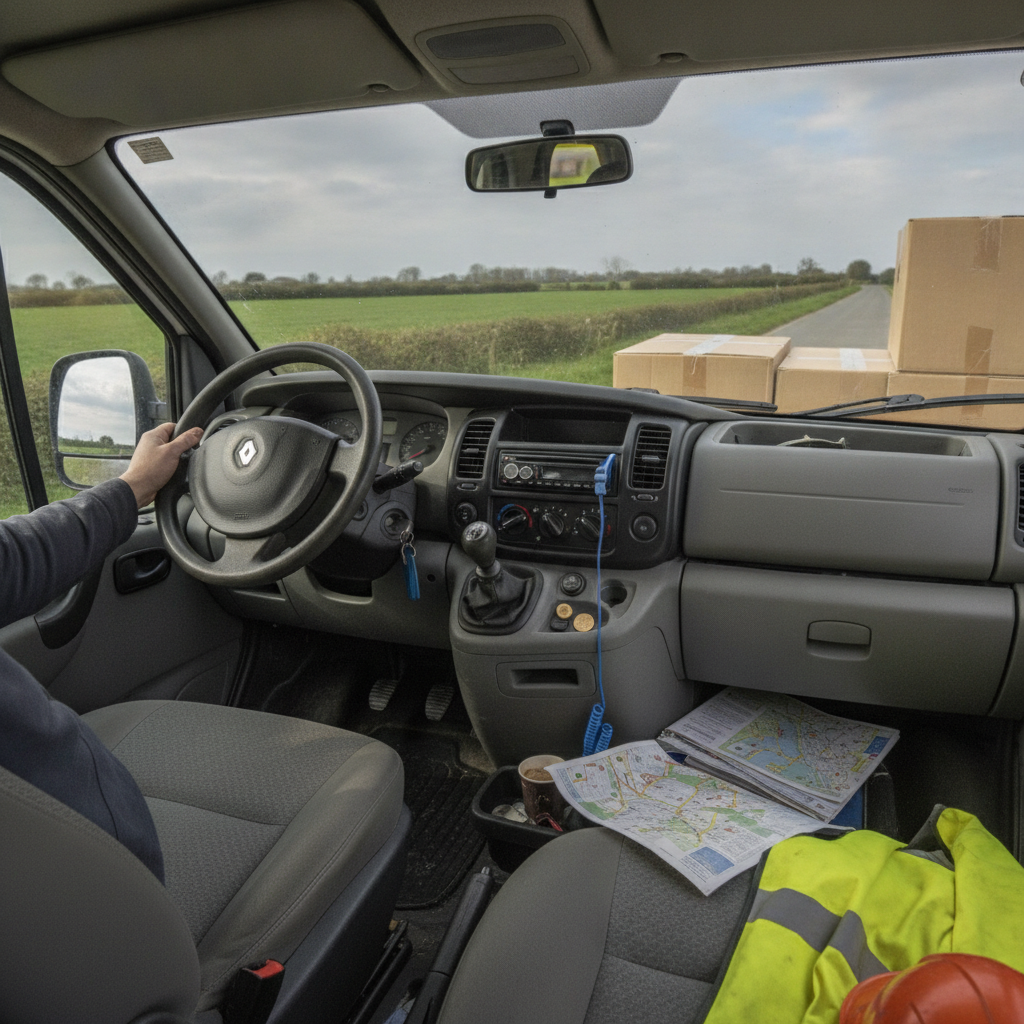
Inside the cabin, the Trafic functions as a purpose-built mobile office. Higher-spec models feature a fold-down middle passenger seat that incorporates an integrated, swivelling clipboard holder and a secure laptop tray. Large storage bins beneath the dual passenger bench provide out-of-sight security for expensive power tools, diagnostic kit, or work boots. Deep dashboard recesses, dash-top smartphone cradles, and cooled glove compartments further demonstrate that the interior was designed around the daily operational realities of modern trade professionals.
A further design hallmark is the ingenious load-through bulkhead flap located beneath the outer passenger seat. By unclipping this magnetic hatch, trade drivers can slide extended items such as three-metre copper pipes, plastic conduit, timber battening, and step ladders through the cargo partition and into the front passenger footwell. This allows long materials to be locked securely inside the dry load area rather than strapped to external roof racking where they compromise vehicle aerodynamics, reduce fuel economy, and remain vulnerable to opportunistic theft.
Body Styles, Dimensions, and Payload Capabilities
The used Renault Trafic market caters to varied operational requirements through two distinct overall lengths and two vehicle roof heights, designated as L1H1, L2H1, L1H2, and L2H2. Choosing the correct configuration is vital to ensure your vehicle can navigate underground parking restrictions while still accommodating your standard materials.
Body Configurations and Load Volumes
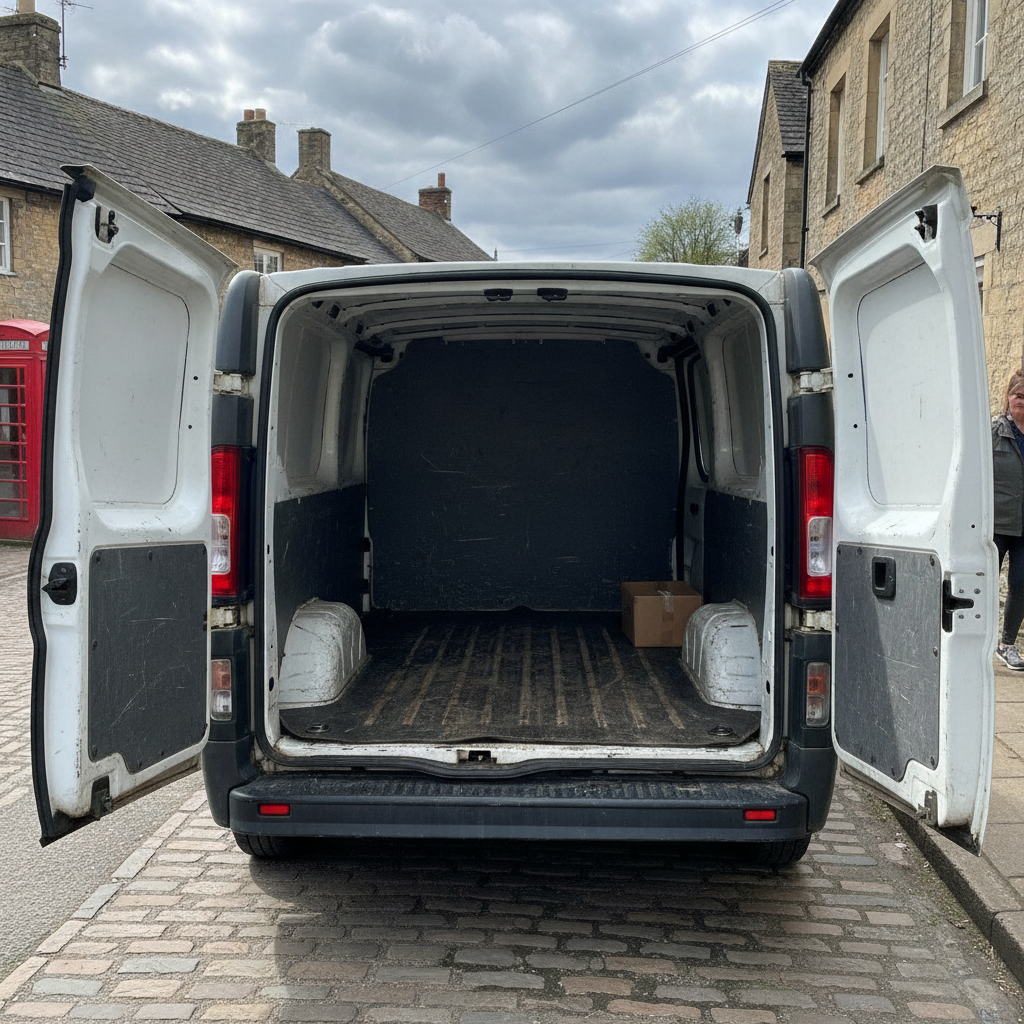
- L1H1 (Short Wheelbase, Low Roof): Overall vehicle length measures 4,999 mm, with an internal load floor length of 2,537 mm (extendable to 3,750 mm using the passenger floor bulkhead hatch). The overall exterior height sits below two metres, allowing entry into height-restricted multi-storey car parks and domestic drive-through lanes. Load volume stands at 5.2 cubic metres.
- L2H1 (Long Wheelbase, Low Roof): Overall length stretches to 5,399 mm, increasing the standard floor length to 2,937 mm (extendable to 4,150 mm via the bulkhead trapdoor). This variant delivers 6.0 cubic metres of volume and accommodates three standard 1,200 mm x 800 mm Euro pallets with ease.
- L1H2 & L2H2 (High Roof Variants): These versions increase the interior roof height from 1,387 mm to 1,898 mm, enabling tradespeople of average height to stand upright inside the rear cargo bay. Usable load volume increases to 7.2 cubic metres on the L1H2 and reaches up to 8.6 cubic metres on the L2H2, making them the preferred baseline for mobile tyre fitters, workshops, and high-cube parcel distributors.
- Crew Van (Double Cab): Features an integrated three-seat second row behind the front cab, seating up to six crew members while retaining a secure partitioned rear cargo bay offering 3.2 to 4.0 cubic metres of load volume.
Payload and Axle Weights
Gross Vehicle Weights (GVW) across the Trafic lineup generally range between 2.8 tonnes and just over 3.0 tonnes, labelled across SL (Standard Load) and LL (Long Load) variants. Standard panel vans deliver payload ratings running from approximately 1,030 kg up to nearly 1,280 kg on heavy-duty configurations. The distance between the rear wheel arches measures a generous 1,268 mm, which allows standard 8-foot by 4-foot sheets of plywood or plasterboard to lay flat across the floor without snagging on interior wheel arch mouldings.
Engine Evolution: 1.6-litre dCi vs 2.0-litre dCi
When searching for a used Renault Trafic in the UK, understanding the powertrain shift that occurred in late 2019 is crucial. The market is effectively split between the earlier 1.6-litre engines and the larger, more powerful 2.0-litre units.
The 1.6-litre dCi Engine (2014–2019)
Early third-generation vans utilize variations of the 1.6-litre common-rail turbo-diesel engine, offered in both single-turbo and twin-turbo (Energy dCi) configurations:
- Single Turbo (dCi 90, 95, 115, 120): Highly reliable, mechanically straightforward units ideal for urban stop-start duties. While adequate for lighter local deliveries, they can feel working hard when fully loaded on steep motorway inclines.
- Twin Turbo (dCi 120, 125, 140, 145): Employs two sequential turbochargers—a small low-inertia turbo providing immediate low-end torque from 1,500 rpm, and a secondary unit delivering strong overtaking power higher up the rev band. These engines combine punchy mid-range pull with excellent fuel economy.
The 2.0-litre dCi Engine (Late 2019 Onwards)
To comply with stringent Euro 6d-Temp and Euro 6d emissions regulations, Renault replaced the 1.6-litre unit with a heavy-duty 2.0-litre dCi engine. Producing power outputs of 110, 130, 145, 150, and 170 brake horsepower, this larger displacement powerplant provides significantly higher torque reserves (up to 380 Nm). It delivers improved engine braking, runs quieter at motorway cruising speeds, and reduces mechanical strain when towing heavy plant trailers. Late-model 2.0-litre versions also introduced the smooth-shifting six-speed EDC (Efficient Dual Clutch) automatic gearbox alongside the standard six-speed manual.
Trade Profiles: Who Buys the Renault Trafic and Why?
The Trafic occupies a dominant position across several distinct trade sectors due to its specific functional strengths:
Carpenters, Joiners, and Dryliners
The ability to lay 8x4 sheet materials completely flat between the arches without diagonal propping saves transit damage and loading time. The under-seat through-bulkhead flap means skirting boards, architraves, and lengths of structural timber can be safely enclosed inside the vehicle rather than left exposed to British weather on roof bars.
Plumbing and Heating Engineers
The square internal architecture of the load bay facilitates the installation of modular steel or plywood racking systems without wasting interior space. Plumbers frequently use the long floor tunnel to load three-metre copper tube bundles and four-metre soil pipes through the bulkhead, while retaining secure storage for expensive combi boilers, press tools, and unvented cylinders in the main hold.
Multi-Drop Parcel Couriers
Courier drivers value the low rear loading sill, which reduces physical strain during repetitive lifting throughout long working shifts. The car-like power steering, tight turning circle (11.8 metres on short wheelbase variants), and compliant suspension ensure low fatigue levels across high-mileage urban delivery routes.
Campervan and Day-Van Converters
The secondary market sees immense demand for clean, used Trafic vans from conversion companies and DIY enthusiasts. The vehicle's nearly vertical interior side walls provide significantly more practical internal width at head and shoulder height than several competitors, facilitating transverse bed setups and kitchen pod installations at a much lower base vehicle acquisition cost.
Used Buyer's Checklist: Common Faults and Inspection Areas
While the mechanical platform is robust, commercial vehicles live strenuous working lives. When inspecting a prospective used Renault Trafic, examine the following known failure points closely:
1. Scuttle Drain Blockages and Corroded Fuel Injectors
This is arguably the most critical check on 1.6-litre models. The scuttle drainage channels located beneath the plastic windscreen trim collect leaves, road grit, and debris. Once clogged, rainwater pools and overflows directly across the top of the engine cylinder head. Over time, standing water causes the diesel fuel injectors to seize aggressively into the aluminium head through galvanic corrosion. Inspect the injector recess area with an inspection torch. If severe rust or pooling water is visible, negotiate cautiously; removing seized injectors on these engines often requires specialist hydraulic pulling equipment or full cylinder head extraction.
2. Manual Transmission Bearing Wear
The six-speed manual gearbox (PF6 transmission family) is known to develop worn bearings on vehicles subjected to hard pulling or overloaded operation. During your test drive, turn the audio system off and listen for high-pitched whining or humming noises, particularly in third, fifth, and sixth gears under moderate acceleration. Check for excessive gear stick movement when coming on and off the throttle. Stiff engagement when shifting across the gate into second gear on cold mornings is another warning sign of worn syncromesh components.
3. Emissions Hardware and AdBlue System Warnings
Euro 6 models rely on an AdBlue Selective Catalytic Reduction (SCR) system alongside the Diesel Particulate Filter (DPF). Scrutinize the instrument cluster upon starting the engine to confirm that all warning lights extinguish cleanly. Look out for persistent warning messages indicating emissions system errors or non-start mileage countdowns. These faults frequently trace back to failed AdBlue tank heating elements, degraded injector dosing valves, or faulty upstream and downstream NOx sensors.
4. Front Suspension and Steering Wear
The Trafic's comfortable ride comes courtesy of a chassis that works its front suspension hard. Knocks and rattles over speed cushions or uneven surfacing usually point to perished anti-roll bar drop links, worn lower ball joints, or deteriorated strut top mount bearings. Check the front tyres for uneven tread wear across the inner shoulders, which indicates track-rod end play or misaligned front tracking.
5. Service History Verification
Always demand documented proof of regular oil services. Renault originally specified optimistic long-life service intervals of up to two years or 24,000 miles. For commercial engines operating in harsh stop-start conditions, leaving oil in service for this duration causes carbon sludge accumulation, premature turbocharger bearing wear, and stretched timing chains. Look for examples maintained by conscientious owners who changed engine oil and filters every 10,000 to 12,000 miles.
Models and Years to Approach with Caution
- 2014 to 2016 Early 1.6 Twin-Turbos: Early iterations occasionally suffered from premature primary turbocharger oil seal failure and cooling pipe leaks. Ensure these have documented campaign updates or proven replacement components.
- Ex-Fleet Vans with Minimum Maintenance: Commercial lease vehicles operated under strict minimal-spend fleet contracts may only have received the bare minimum maintenance required to pass annual MOT tests. Verify that genuine fluid grades were used throughout the vehicle's lifespan.
- Pre-2016 Non-Euro 6 Diesels: If your operational work takes you within the London Ultra Low Emission Zone (ULEZ) or clean air clean-air charging clean air zones in cities like Birmingham, Bristol, Bath, Sheffield, or Newcastle, avoid Euro 5 models. Any vehicle registered prior to September 2016 is unlikely to meet Euro 6 diesel compliance, leading to daily zone entry surcharges.
Investment Guide: What to Expect at Different Market Points
Used vehicle prices vary widely depending on mileage, mechanical condition, bodywork integrity, and optional specification packages.
Budget Commercial Workhorses: Under £5,000 to £7,500
At this entry point, buyers will find early third-generation vehicles (2014 to 2016) in basic Business trim, typically showing odometer readings between 110,000 and 170,000 miles. Expect honest cosmetic battle scars, minor cargo bay panel dents, and heavily worn driver's seat side bolsters. Focus strictly on mechanical sound health: verify clean cold-start behaviour, check the condition of the clutch and flywheel, ensure there is no gearbox whine, and inspect the injector wells for water corrosion.
Balanced Mid-Range Options: £8,000 to £14,000
This bracket offers the widest selection for professional tradespeople. It includes late 1.6-litre models (2017 to 2019) and early 2.0-litre vans (2019 to 2021) with mileage sitting comfortably between 45,000 and 85,000 miles. Vehicles in this range frequently feature desirable Sport trim, which introduces factory alloy wheels, body-coloured bumper mouldings, automatic headlights, rear parking sensors, cruise control, and the dashboard touchscreen infotainment system with smartphone integration.
Late-Plate and Nearly New Vehicles: £15,000 to £24,000+
Here you will encounter late-plate (2021 to 2024) models, featuring the bold redesigned front grille, full-LED headlights, refreshed modern dashboard architecture, and the powerful 2.0-litre dCi engine. These vehicles are predominantly low-mileage examples (under 35,000 miles), often sold with remaining manufacturer warranty balance, full franchised dealer service histories, and pristine cargo holds ready for immediate operational deployment.
Real-World Running Costs: Fuel, Insurance, and Servicing
Understanding ongoing running costs is essential to maintaining healthy business margins. The Renault Trafic remains one of the most economical vehicles in the medium van sector when properly serviced.
Fuel Consumption
Real-world fuel consumption for the 1.6-litre twin-turbo models averages between 38 and 43 miles per gallon under mixed driving conditions, dropping to around 34 miles per gallon when fully laden or driven continuously at higher motorway speeds. The 2.0-litre dCi engine averages roughly 36 to 41 miles per gallon; while slightly thirstier in urban traffic, it matches or exceeds the 1.6-litre's fuel efficiency on long-distance motorway hauling thanks to its relaxed, low-rev gearing.
Road Tax and Emissions Zones
All light commercial vehicles within the N1 taxation class pay a flat annual rate of commercial vehicle Vehicle Excise Duty (VED), meaning road tax costs remain fixed regardless of engine capacity or CO2 output. As long as you select an engine confirmed to meet Euro 6 standards, your Trafic can operate within the London ULEZ, the Scottish Low Emission Zones, and provincial Clean Air Zones without paying daily clean-air access fees.
Servicing Schedules and Insurance Ratings
Routine minor servicing should be carried out every 10,000 miles or twelve months, with comprehensive major servicing (including fuel, cabin, and air filter replacements alongside brake fluid flushes) completed at 20,000-mile intervals. Trafic insurance classifications range from Group 30 up to Group 41 depending on engine horsepower output, gross vehicle weight, and trim level, with standard Business variants sitting at the lower, cheaper end of the rating scale.
Commercial Vehicle Funding and Acquisition Methods
Whether you are replacing an uneconomical older van or adding a dedicated vehicle to a growing business fleet, securing the right commercial funding structure protects critical working capital.
Traditional ownership routes include Hire Purchase (HP), where a commercial deposit is paid upfront, followed by fixed monthly instalments over a term of two to five years. For VAT-registered businesses, the full VAT element on the purchase price can typically be reclaimed on your next quarterly VAT return (subject to individual business accounting parameters), while the vehicle is treated as a balance sheet capital asset eligible for annual investment allowances. Explore flexible options through our commercial vehicle finance solutions to structure terms that match your monthly cash-flow cycle.
Alternatively, business owners who prefer to update their work vehicles every two to four years without taking on residual depreciation risks often assess business contract hire or leasing structures. While typically associated with brand-new vehicles, investigating competitive business van lease deals provides fixed-cost predictability, integrated road tax, and optional operational maintenance packages that leave your working capital free to invest in materials, tooling, and business growth.
Summary: Is a Used Renault Trafic the Right Commercial Partner?
The Renault Trafic remains one of the most capable, comfortable, and economically viable medium vans on the UK pre-owned market. It sidesteps the agricultural handling characteristics of older commercial designs, providing an ergonomic cab layout that simplifies working life on the road. Provided you verify documented servicing records, check thoroughly for injector bay water ingress, and select an engine configuration that suits your payload requirements and regional emissions zone rules, a used Renault Trafic represents an exceptionally dependable, professional tool for any British trade business.