Buying used curtain side vans
What Curtain Side Vans Are and Why Trades Use Them
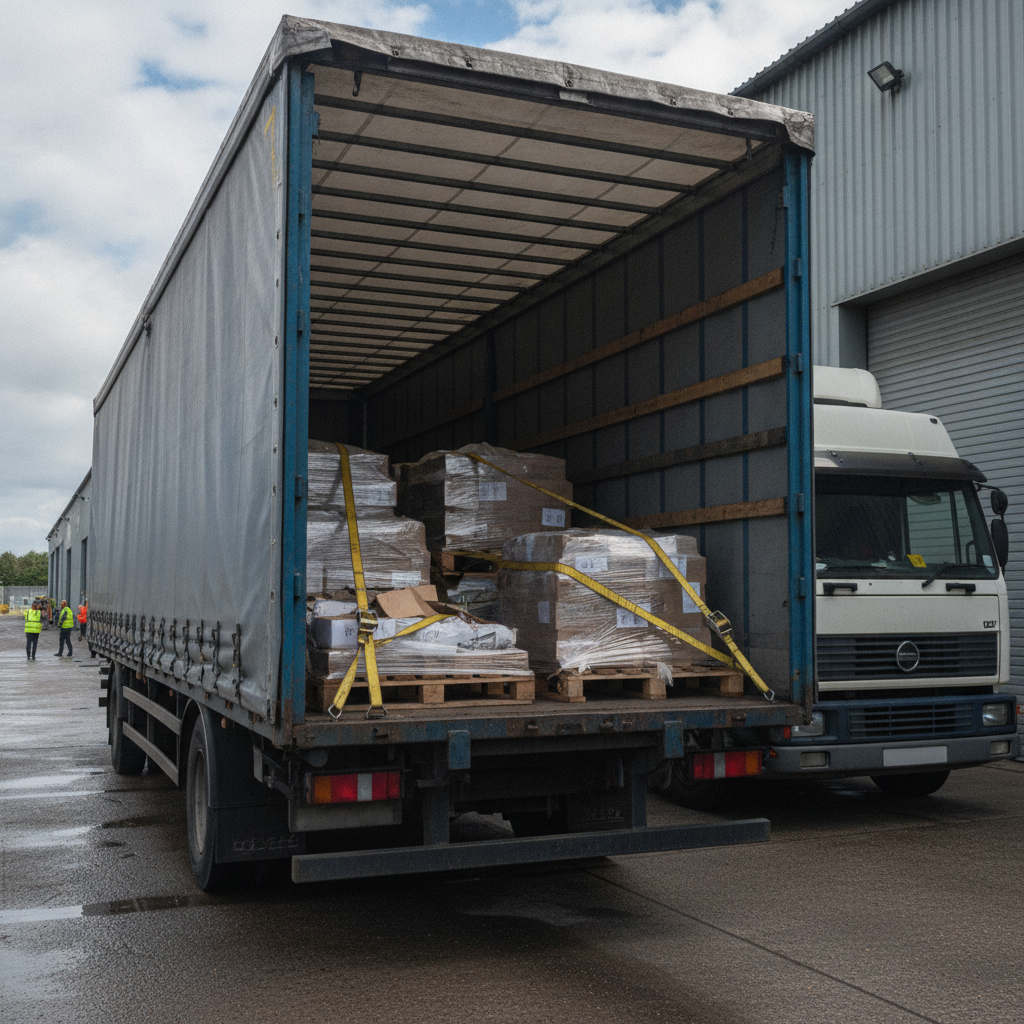
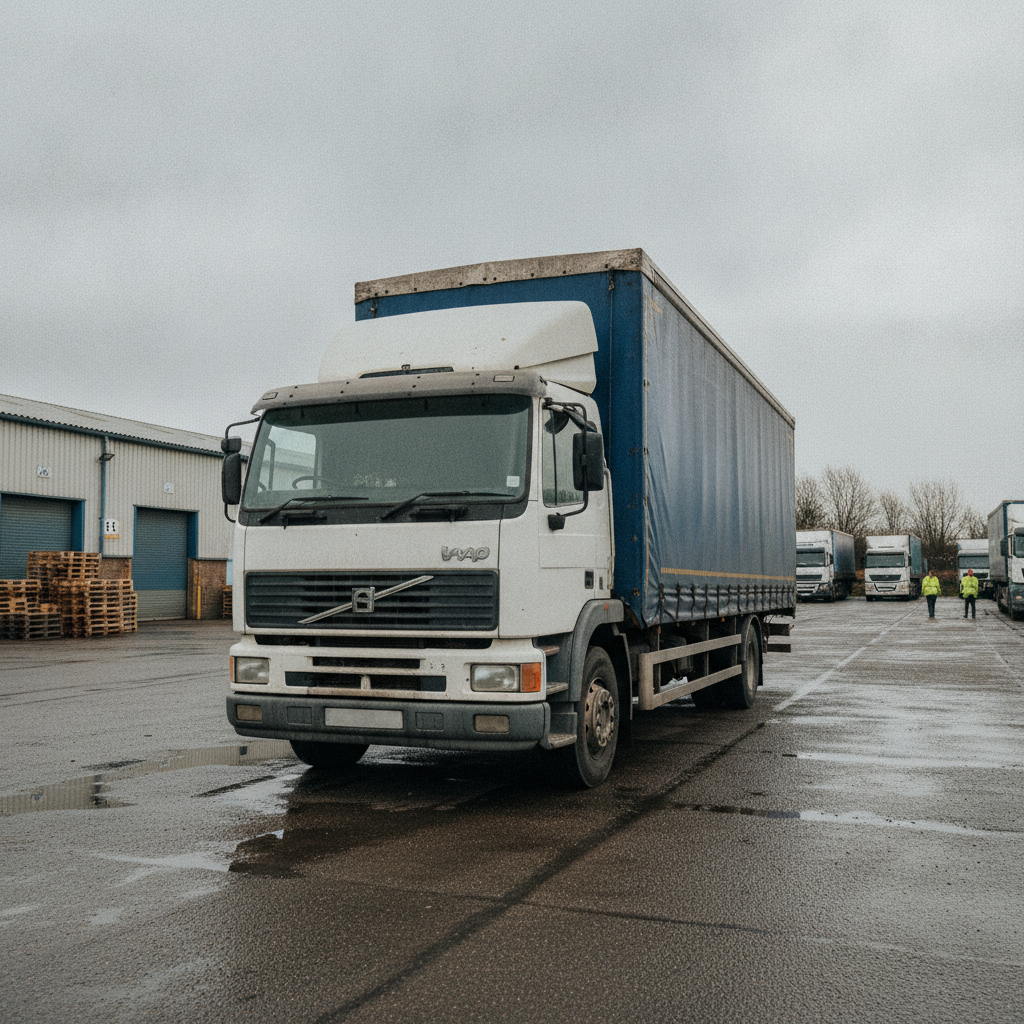
A curtain side van, widely known across the UK transport sector as a tautliner, combines the rigid frame of a box van with the rapid side-loading versatility of a flatbed. Constructed on a light commercial chassis cab, the load area features fixed front and rear bulkheads, an overhead roof structure, and reinforced PVC-coated fabric side curtains. These curtains slide open along top-mounted aluminium tracking, pulled tight by lower buckles and front-to-rear tensioning poles during transit to keep cargo secure and dry.
The core advantage of this layout is access. In a panel van or standard box body, pallet loading is constrained by rear door apertures and internal wheel arches. Moving six pallets into a standard Luton van using a pallet truck and tail lift is a slow process that ties up delivery drivers on busy depot runs. A curtainside eliminates this operational bottleneck. Forklift drivers can address the load bed from both flanks simultaneously, slotting whole pallets, overhanging building packs, or industrial machinery into place in a matter of minutes. When multi-drop deliveries require access to a specific item buried midway down the deck, the driver simply unbuckles the side straps, pulls the curtain back, and unloads without disturbing the rest of the cargo.
For UK operators running on a standard Category B car driving licence, the 3.5-tonne curtainside represents the ultimate express logistics platform. It provides dry, lockable, weather-protected transport that works in tight urban yards where full-sized heavy goods vehicles cannot fit, bypassing HGV operator licensing rules while matching the side-loading efficiency of an eighteen-tonne curtainside lorry.
Key Specifications, Dimensions, and Payload Challenges
Before purchasing, buyers must understand the mechanical trade-offs inherent to curtainside bodies. The framing, structural pillars, roof tracks, curtain fabric, and tail lift assemblies all add significant deadweight to the chassis cab before a single item of cargo is loaded.
- Gross Vehicle Weight (GVW) and Payload: The vast majority of these vehicles are registered at 3,500kg GVW. A typical chassis cab fitted with an alloy-framed curtainside body and a hydraulic column tail lift has an unladen kerb weight between 2,400kg and 2,600kg. This leaves a legal carrying capacity of roughly 900kg to 1,100kg. Overloading is heavily monitored by DVSA roadside enforcement units equipped with dynamic weighbridges. Buyers carrying high-density cargo such as tiles, mortar, or engineering steel must check unladen weight certificates carefully.
- Internal Load Bed Dimensions: Internal deck lengths typically sit between 4.0 metres and 4.4 metres (13 to 14.5 feet), with internal widths around 2.05 to 2.15 metres and internal standing heights between 2.2 and 2.4 metres. This footprint comfortably accommodates four to six standard UK industrial pallets (1200mm x 1000mm) or up to eight Euro pallets (1200mm x 800mm), arranged side by side.
- Front-Wheel Drive vs Rear-Wheel Drive: Front-wheel drive (FWD) chassis options sit lower to the ground, which increases internal cargo volume and sheds weight from the prop shaft and differential, boosting available payload. Rear-wheel drive (RWD) variants feature higher load decks, but they offer vastly superior traction on wet depot yards, construction sites, and steep gradients when hauling full loads. For heavy multi-drop distribution, twin rear wheel (DRW) rear-wheel-drive models prevent rear-end wallow and tyre scrub.
- Roof Designs: Standard bodies use translucent glass-reinforced plastic (GRP) roof skins that allow natural ambient daylight into the cargo area. However, operators transporting crane-loaded equipment, steel girders, or oversized timber can search for sliding roof variants, which concertina forward to open the entire top of the vehicle to overhead gantry hooks.
- Rear Closures and Tail Lifts: Most models are configured with either twin lightweight rear barn doors, an alloy roller shutter, or a weather flap over a tail lift platform. A 500kg column tail lift with an aluminium platform is standard industry specification. Aluminium platforms preserve essential payload compared to heavier steel versions, while offering an extended loading platform for rolling pallet trucks.
Industries and Trades That Depend on Curtainsides
Curtainsides are versatile workhorses chosen by businesses whose daily routines depend on rapid turnaround, pallet handling, or irregular goods that cannot be pushed through rear van doors.
- Pallet Network Couriers and Express Freight Hauliers: Subcontractors working within nationwide distribution networks run 3.5-tonne curtainsides for localized multi-drop and collection duties, shifting goods from regional hubs to businesses without loading docks.
- Builders Merchants, Timber Yards, and Scaffolding Suppliers: Transporting plasterboard packs, timber battens, aluminium scaffolding poles, and sheet materials requires long, unobstructed access. A side-loading bed lets forklifts set timber bundles directly onto the deck without snagging rear door frames.
- Event Production, Stage Lighting, and Audio Hire: Rigging companies and event specialists utilize curtainsides for transporting large flight cases, trussing, and staging decks. Quick access to individual cases without unloading entire cargo bays saves critical setup time during festival and corporate turnarounds.
- Industrial Machinery and Engineering Services: Hauling gearboxes, electric motors, generators, and compressors requires hoist or forklift access. A curtainside protects sensitive, precision machinery from road spray while allowing overhead or lateral fork access at engineering bays.
- Horticultural Suppliers and Wholesale Nurseries: Transporting plant trolleys (Danish containers) and palletized compost sacks requires rapid roll-on, roll-off capabilities and side-access ventilation during warm delivery runs.
Top Makes and Models on the UK Secondary Market
The driving qualities, reliability, and chassis characteristics of a curtainside depend on the donor vehicle beneath the bodywork. When browsing listings for used vans, expect to encounter four dominant chassis platforms.
Ford Transit Curtainside
The Ford Transit is the backbone of the British fleet market. Available in front-wheel drive and heavy-duty rear-wheel drive chassis configurations, the Transit provides an ideal blend of driver familiarity, widespread parts availability, and affordable independent servicing. Older models use the durable 2.2-litre TDCi diesel engine, while newer variants utilize the 2.0-litre EcoBlue unit. The 2.0 EcoBlue requires strict adherence to servicing schedules, including timely wet-belt replacements and clean, correct-specification oil to prevent oil-pickup blockage. Transit chassis cabs provide balanced handling, comfortable cabs, and predictable running costs, though rear suspension leaf springs should be inspected for flattening on hard-worked logistics vehicles.
Mercedes-Benz Sprinter Curtainside
Renowned for motorway durability, the Mercedes-Benz Sprinter is the preferred choice for long-distance express freight operators. Pre-2021 models rely on the proven 2.1-litre OM651 twin-turbo engine, while late models feature the all-aluminium 2.0-litre OM654 paired with smooth nine-speed automatic gearboxes. The Sprinter offers outstanding long-haul cab comfort, exceptional structural rigidity, and advanced safety equipment like Crosswind Assist, which is invaluable on high-sided curtain vehicles susceptible to motorway cross-draughts. Sprinter chassis rails cope well with heavy loads, but buyers must inspect propshaft centre bearings, rear differential seals, and emissions control components, particularly AdBlue heaters and sensors.
Iveco Daily Curtainside
The Iveco Daily stands apart from competitors because it is engineered like a true light truck. Built upon a heavy-duty C-section steel ladder frame chassis rather than a unibody platform, the Daily handles punishing surface conditions and severe payload abuse with ease. It is powered by either a flexible 2.3-litre engine or a commercial-grade 3.0-litre F1C diesel motor with chain timing that routinely clocks exceptional mileages. The Daily is also a top choice for towing trailers, handling massive train weights without strain. The trade-off is a slightly firmer, more utilitarian ride when empty, alongside higher unladen chassis weight that trims cargo payload compared to French and German rivals.
Renault Master and Vauxhall Movano
The Renault Master (and its mechanical twin, the pre-2021 Vauxhall Movano) represents one of the most practical front-wheel-drive platforms for curtain conversions. Powered by a strong 2.3-litre dCi twin-turbo diesel engine, this platform is lightweight, freeing up maximum payload capacity for the operator. The low chassis floor makes loading easier and reduces the vehicle's overall height, aiding aerodynamic efficiency and fuel economy on cross-country delivery runs. Cabin trim is more basic than in a Sprinter or Transit, and front suspension ball joints and drop links take a beating under heavy front-axle loading, but running costs and purchase prices make them popular commercial fleet choices.
Critical Inspection Points for Used Curtainside Vans
Curtainsides lead arduous commercial lives. Vehicles undergo rigorous multi-drop shift work, round-the-clock depot runs, and constant loading by industrial forklifts. A cosmetic glance is never enough; use this structured technical checklist on every inspection.
1. Curtains, Tracks, and Tensioning Hardware
The curtains are safety-critical elements that secure the load against lateral displacement. Check the PVC fabric for tears, splits, punctures, and signs of degraded welding repairs. Faded or brittle curtain material will crack under wind pressure. Inspect the top track: it must be completely straight and free of dings caused by high forklift masts. Climb up and examine the nylon roller bearings inside the top extrusion; seized or missing rollers make opening the curtain impossible for one person. Test the lower over-centre tensioning buckles and straps. Straps must not be frayed, and every bottom hook must seat securely into the bottom rave rail. Finally, test the front and rear vertical tensioner ratchets: the internal gears must hold positive tension without slipping under load.
2. Load Deck and Chassis Subframe
Examine the load bed floor, which is typically constructed from resin-faced birch plywood, commonly called Wisadeck. Look for soft spots, water rot, delamination, and gouges punched through by dropped pallet tines or heavy pallet trucks. A damaged bed will fail an MoT test if the floor poses an insecure base for cargo. Crawl beneath the vehicle to inspect the body subframe. Look closely at the steel or aluminium outriggers, crossbearers, and U-bolts clamping the body to the vehicle chassis rails. Check for galvanic corrosion where steel meets aluminium, look for cracked structural body welds, and inspect the main chassis members directly above the rear axle for signs of stress fracturing or bowing caused by historical overloading.
3. Tail Lift Operation and LOLER Certification
If the vehicle is fitted with a tail lift, it is governed by the Lifting Operations and Lifting Equipment Regulations (LOLER). The seller should provide a valid LOLER thorough examination certificate issued within the statutory timeframe. Check the following mechanical points:
- Operate the platform through its full range of movement using both the exterior body-mounted buttons and the roaming wander-lead control.
- Look for smooth, level ascent and descent; any twisting or juddering indicates bent columns, stretched chains, or uneven hydraulic pressure.
- Check hydraulic rams and high-pressure hoses for fluid leaks, corrosion, or weeping seals. Fluid leaks indicate imminent pump or cylinder failure.
- Inspect the safety flags, non-slip deck coatings, mechanical platform stops, and emergency shut-off isolation switches inside the cab.
4. Rear Suspension, Axles, and Tyres
Curtainside bodies put high static weight onto the rear axle. Look at the stance of the vehicle while parked on flat ground. If the rear sits noticeably low or rests against the rubber auxiliary bump stops, the multi-leaf road springs are worn or fractured. Inspect leaf spring eye bushes, U-bolts, and shock absorbers for fluid misting. Inspect the inner and outer sidewalls of the rear tyres; commercial curtainsides frequently scrape against loading bay kerbs, causing structural carcass bulges that risk dangerous motorway blowouts.
5. Driveline, DPF, and Mechanical Wear
Short-haul depot shuttle work clogs emissions systems. Ensure the diesel particulate filter (DPF) is clearing naturally by checking for soot accumulation inside the exhaust tip and verifying that the DPF regeneration cycle is completing without dashboard warning lights. Test the clutch engagement point on manual vans: high bite points or slippage under acceleration point to worn clutches caused by reversing up steep depot ramps against heavy pallet weight. Listen for differential whine from rear axles, and ensure gears engage cleanly without synchromesh resistance.
Used Curtain Side Van Price Expectations
Values on the UK secondary market are determined by emissions compliance, mechanical mileage, tail lift functionality, and chassis condition.
Entry-Level Workhorses: £4,500 to £8,500
Vehicles in this tier are typically higher-mileage models or older Euro 5 chassis cabs manufactured before late 2016. Expect working odometers reading between 140,000 and 230,000 miles. These vans frequently show cosmetic battle scars across the bodywork, faded curtains, and well-used load decks. Vehicles in this bracket are best suited to local agricultural, building supplies, or localized transport work outside of clean air restrictions, as pre-Euro 6 diesel engines incur daily charges inside the London Ultra Low Emission Zone (ULEZ) and regional Clean Air Zones (CAZ) across cities such as Birmingham, Bristol, and Sheffield.
Mid-Tier Fleet Stock: £9,000 to £16,500
This bracket represents the heart of the used market. Here you find Euro 6 compliant vans dating from 2016 through to 2021, with mileages ranging from 75,000 to 130,000 miles. Most vehicles in this category originate from corporate logistics fleets, vehicle hire companies, or large distribution contractors, and they generally arrive with structured electronic service histories. Expect clean curtain tracking, certified tail lifts, tidy cabins, and standard compliance for all nationwide clean air zones, offering a practical balance of remaining working lifespan against vehicle cost.
Late-Plate and Low-Mileage Models: £17,000 to £26,000+
Late-plate curtainside models, typically aged two to four years with fewer than 50,000 miles recorded, sit in this upper range. These vehicles often feature modern lightweight alloy body conversions that maximize legal payload, premium nine-speed automatic or six-speed manual transmissions, digital reversing cameras, air conditioning, and active cab technology. These vans are suited to hauliers seeking turn-key reliability for demanding multi-shift distribution contracts where breakdown downtime cannot be tolerated.
Commercial Vehicle Funding and Finance Considerations
Acquiring a commercial vehicle requires weighing working capital against monthly cash flow. Most self-employed hauliers and transport businesses acquire curtainsides using commercial finance products tailored to vehicle lifespan and tax management.
- Hire Purchase (HP): With Hire Purchase, the business pays an initial deposit followed by fixed monthly payments spread over a term typically ranging from two to five years. Once all instalments and the final option-to-purchase fee are cleared, legal ownership transfers to your business. For VAT-registered enterprises, the full VAT on the purchase price can usually be reclaimed upfront on your next quarterly return (subject to HMRC guidelines), while the vehicle is treated as a business asset eligible for capital allowances.
- Finance Lease: Finance Lease is a favoured option for fleet operators who wish to keep vehicles off their balance sheet while preserving cash flow. The business rents the van over a set period, paying monthly rentals. These arrangements can be structured with a final balloon payment tied to the vehicle's anticipated future residual value, substantially reducing regular monthly outgoings. At the end of the term, the vehicle is sold to a third party, with the business retaining the vast majority of the sale proceeds, or the agreement enters a secondary "peppercorn" rental period.
- Contract Hire and Operating Lease: For companies that prefer fixed-cost operation without asset disposal risks, contract hire provides full vehicle use for a contracted mileage and period, returning the van to the funder at expiry without balance sheet exposure.
To assess funding options, terms, and structures appropriate for your commercial circumstances, review our dedicated guide to van finance. Note that Vansales is an independent online commercial vehicle marketplace and research platform, not a lender, broker, or dealership. Vansales does not sell commercial vehicles directly, nor does it provide credit, make loan approvals, or broker financial agreements. All finance transactions, valuations, and warranty arrangements must be concluded directly with independent vehicle dealerships or FCA-regulated finance providers.
Final Buying Summary for Tradespeople
A well-maintained 3.5t curtain side van is one of the most profitable logistics assets an independent tradesperson or courier can own. It delivers rapid side-access efficiency that speeds up loading bays, avoids heavy manual lifting, and operates inside car driving licence regulations. Protecting your investment comes down to thorough physical due diligence: verify the true unladen weight to ensure the legal payload matches your freight, thoroughly test the tail lift mechanics and LOLER paperwork, and closely inspect curtain runners, roof seams, and rear leaf suspension for signs of overload damage before signing on the dotted line.