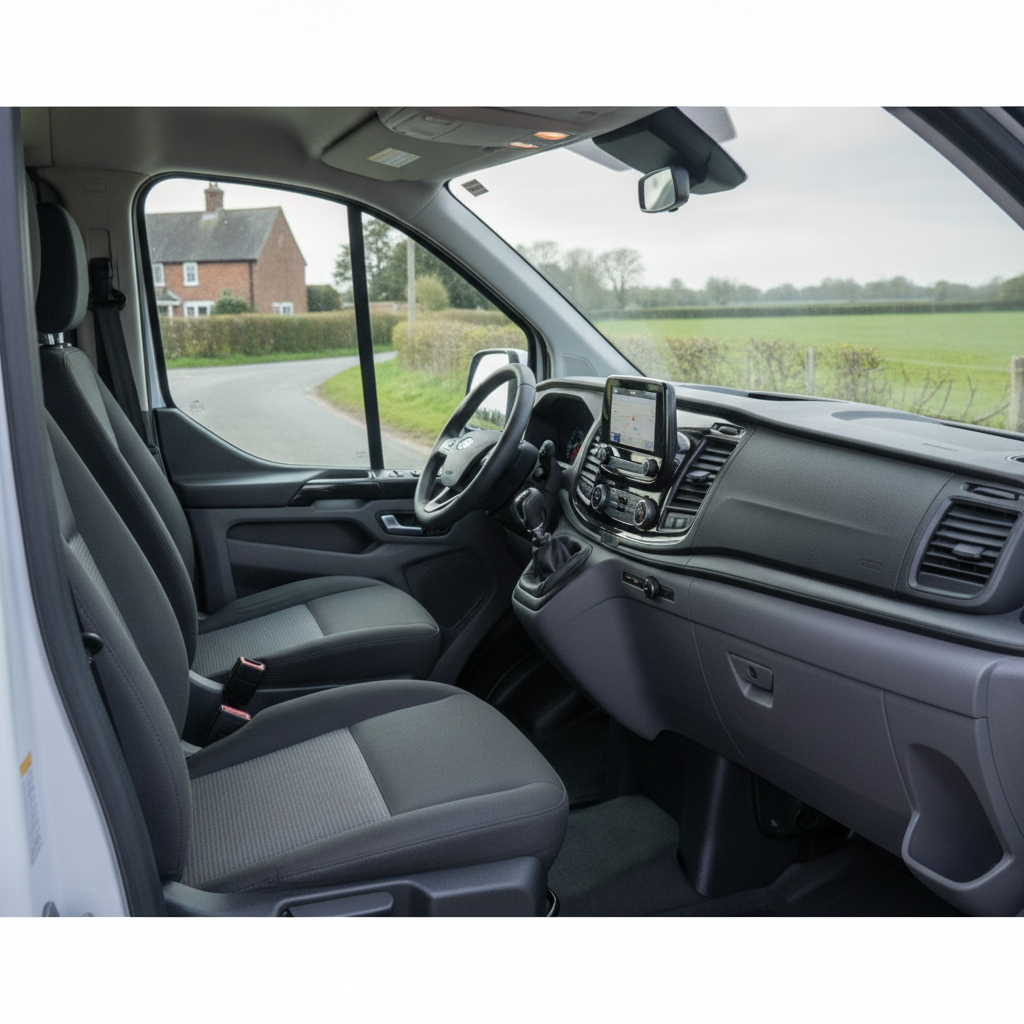
Buying used low mileage vans
Defining Low Mileage Commercials and Their Practical Value
When searching for low mileage commercial vehicles, you are targeting work-ready transport that avoids the punishing depreciation curve of brand-new metal while preserving years of usable mechanical life. In the UK light commercial vehicle sector, a vehicle is widely considered low mileage when it has accumulated substantially fewer miles than the national commercial average of twelve to fifteen thousand miles per year. For a three-year-old vehicle, a total odometer reading beneath forty-five thousand miles places it firmly in this desirable bracket.
Light commercial vehicles encompass multiple body layouts designed around cargo volume, weight distribution, and operational access. Standard panel vans remain the default choice across UK roads, featuring enclosed steel bodies with solid or glazed rear barn doors and one or two sliding side doors. These are divided into short, medium, and long wheelbases, paired with low, medium, or high roof lines. Crew vans introduce a second row of seats behind the driver with an integrated composite bulkhead, allowing a business to transport four to six workers alongside tools and materials. Beyond standard panel vans, conversions on chassis cabs provide dedicated utility: dropsides with fold-down aluminium sides for flat loading, hydraulic tippers for aggregate disposal, and Luton box vans featuring cavernous, square load areas over the cab tailored for bulky goods.
Targeting vehicles with low mileage provides tradespeople with peace of mind. Factory components such as turbochargers, common-rail high-pressure fuel injectors, dual-mass flywheels, automatic transmissions, and steering racks carry finite lifespans. Acquiring a vehicle before these major assemblies reach their secondary maintenance phases dramatically curtails unscheduled workshop downtime. For self-employed trades and growing fleet operators, an idle van parked on a garage ramp represents direct revenue loss alongside customer dissatisfaction.
Purchasing through the national market for used vans enables buyers to acquire clean, modern Euro 6 compliant machinery that has bypassed its initial steep showroom depreciation of twenty to thirty percent. This ensures your capital or credit line is tied up in a reliable asset that retains steady residual value over a multi-year ownership cycle.
Top Makes and Models to Target
Selecting the right platform requires balancing internal dimensions, payload ratings, engine durability, and parts availability across the UK network. The market offers standout performers across every size classification.
Compact and Urban Panel Vans
The small van sector is driven by urban access, fuel economy exceeding fifty miles per gallon on combined cycles, and footprint dimensions similar to family hatchbacks. The Volkswagen Caddy leads on interior build quality, ergonomic cab design, and residual value retention. Powered by durable two-litre TDI diesel engines, it provides exceptional motorway manners alongside town agility.
The Stellantis platform—encompassing the Citroen Berlingo, Peugeot Partner, and Vauxhall Combo—dominates overall fleet sales. Powered by the efficient 1.5-litre BlueHDi diesel unit, these vans offer clever load-through bulkheads that allow copper pipes or conduit to extend under the passenger seat, alongside impressive payloads reaching up to one tonne on uprated chassis variants. The Ford Transit Connect remains an enduring favourite, praised for its sharp steering dynamics, widespread independent garage support, and punchy 1.5-litre EcoBlue diesel engine.
Medium Workhorses (Under 3.5t GVW)
Medium panel vans represent the backbone of British trade. The Ford Transit Custom is the perennial best-seller, engineered specifically around the operational needs of plumbers, builders, and electricians. Equipped with the two-litre EcoBlue diesel engine, it delivers a square, highly usable cargo bay capable of swallowing standard eight-foot by four-foot building boards flat on the floor or edge-loaded across the wheel arches.
The Volkswagen Transporter, across its T6 and T6.1 iterations, commands an avid following due to its rock-solid residual values, premium cab materials, and refined dual-clutch automatic gearboxes. The Renault Trafic, which also shares underpinnings with the Nissan Primastar, delivers one of the most practical, square cargo bays in its class alongside a proven two-litre dCi chain-driven engine that eliminates timing belt replacement worries.
Heavy-Duty Large Panel Vans
Operating at the maximum legal limit of 3,500kg gross vehicle weight on a standard UK car driving licence, large panel vans prioritise sheer volume and payload capacity. The Mercedes-Benz Sprinter is renowned for long-distance durability, motorway stability, and advanced safety electronics, available in rear-wheel or front-wheel-drive configurations.
The standard full-size Ford Transit offers rugged rear-wheel-drive twins for heavy towing operations alongside front-wheel-drive formats that maximise interior roof height and lower the load sill. For outright payload efficiency, the lightweight chassis platform underpinning the Peugeot Boxer, Citroen Relay, and Fiat Ducato provides class-leading carrying capacity, often beating rival large vans by up to two hundred kilograms due to their stripped-back, weight-conscious construction.
Which Trades Rely on Low Mileage Commercials?
Different building disciplines and logistical operations place distinct demands on a commercial vehicle. Securing a low-odometer example ensures the vehicle can manage those demands without premature failure.
Plumbing and Heating Contractors
Plumbers carry heavy, dense kit daily: unvented copper cylinders, heavy cast water fittings, power-flushing machines, and extensive brassware, alongside lengths of pipework in exterior roof conduits. They typically gravitate toward medium panel vans such as the Ford Transit Custom or Vauxhall Vivaro. Because plumbing businesses depend on immediate callout responsiveness for emergency leaks and boiler breakdowns, a vehicle that has spent minimal time on the road guarantees reliability when scheduled customer appointments are on the line.
Electrical Engineers and Data Technicians
Electricians demand systematic organization over raw payload mass. Cable drums, consumable connectors, power tools, and high-value testing instruments necessitate extensive interior racking systems, secure drawers, and internal deadlocks. Small to medium-sized vans fit this application perfectly, allowing easy navigation into tightly packed residential estates and multi-storey city car parks while delivering low urban running costs.
Carpenters, Joiners, and Fitters
For trades managing timber, sheet materials, second-fix trim, and heavy chop saws, internal load length and bulkhead width are paramount. Carpenters and kitchen installers require medium or long-wheelbase platforms to carry eight-by-four plywood sheets, timber lengths, and assembled cabinetry without weather damage. Low-mileage examples ensure that suspension bushes, leaf springs, and rear shock absorbers have not suffered years of continuous heavy hauling before ownership begins.
Groundworkers, Landscapers, and General Builders
These heavy trades demand high Gross Train Weights for towing plant equipment, alongside rugged chassis cabs fitted with steel or aluminium tipping bodies. Because tippers routinely tackle mud, rutted building sites, and punishing aggregate loads, buying at low mileage ensures the driveline, differential gears, and hydraulic pump assemblies have experienced minimal mechanical strain.
Critical Checks When Buying a Low Mileage Van
Never take an odometer reading at face value. Commercial vehicles operate under demanding conditions, and a low figure on the dashboard requires careful, methodical verification to avoid expensive post-purchase headaches.
Investigating Mileage and Usage History
Cross-reference the dashboard reading directly with the DVLA online vehicle information checker and MOT history database. You must look for consistent year-on-year mileage accumulation. Be alert to long gaps in the record, sudden drops in logged mileage between annual tests, or sudden flatlining where a vehicle covered thirty thousand miles in year one and only two thousand miles in year two. Mileage clocking can be disguised on digital dashboards, so examine physical wear points: smooth steering wheel rims, heavily worn foot pedal rubbers, polished gear knobs, and frayed seat bolsters should match the recorded distance.
The Short-Trip Dilemma and Diesel Particulate Filters
A diesel van with very low mileage over several years has likely spent its life executing short, start-stop urban trips without reaching sustained operating temperature. Modern Euro 6 diesels rely on a Diesel Particulate Filter to trap harmful soot, requiring periodic exhaust temperatures exceeding five hundred degrees Celsius to run automatic regeneration. Constant cold cycles cause the filter to choke, leading to blocked Exhaust Gas Recirculation valves and AdBlue crystallization faults. Pull the dipstick: if the engine oil smells strongly of unburnt diesel fuel or reads well above the maximum fill mark, uncompleted regenerations may have caused diesel washdown past the piston rings, diluting the lubricating oil.
Time-Based Servicing Versus Mileage Intervals
Commercial servicing schedules run on a twin metric: mileage or time elapsed, whichever comes first. A van that covers only six thousand miles in a year still requires an annual oil and filter service. Engine oil degrades chemically through thermal cycles and moisture accumulation. Inspect the service book or digital printout for stamps proving maintenance was performed annually rather than waiting to hit manufacturer mileage thresholds that may take four years to reach.
Pay close attention to timing belt intervals. Certain modern engines—such as the Ford two-litre EcoBlue unit—utilize an internal wet timing belt bathed in engine oil. These require precise specification oil changes; using incorrect lubricants or extending time-based service intervals leads directly to belt degradation, blocked oil pickups, and catastrophic engine failure.
Underbody, Suspension, and Chassis Integrity
Inspect the rear suspension components. Leaf springs should maintain a healthy upward curve; if they sit completely flat or invert under no load, the vehicle has been systematically overloaded. Check bump stops for damage or contact marks against the axle casing. Look underneath the chassis rails, sills, and subframes for corrosion, stone blast damage, or off-road scrapes incurred on construction sites. Check tyre wear patterns across both axles; uneven tread wear indicates misaligned tracking, bent suspension arms, or worn ball joints.
Load Bay Condition and Security
Always peer beneath aftermarket ply-lining where accessible. A pristine exterior can easily conceal bowed wheel arches, buckled rear corner pillars, or floor panels crushed by carelessly dropped heavy pallets. Inspect rear and side sliding door roller runners, hinges, and guide tracks for excessive play, ensuring doors latch smoothly without aggressive slamming. Check the bulkhead for fractures around fixing points, and verify that the cargo bay floor tie-down loops are present and unbroken.
Price Expectations: Sub-£10,000 to £15,000 Plus VAT
This introductory tier represents older low-mileage light commercials or highly compact city vans. Buyers in this range will find well-kept small vans with under forty-five thousand miles, typically dating between four and six years old. These include models like the Citroen Berlingo, Ford Transit Connect, and Renault Kangoo. Alternatively, you may encounter slightly older medium vans where low mileage is backed by meticulous single-owner service history. Vehicles in this price category offer accessible capital outlays for start-up sole traders, provided buyers verify that early Euro 6 emissions requirements are verified on the V5C logbook to ensure free passage through regional Clean Air Zones.
Price Expectations: £15,000 to £22,000 Plus VAT
The vast majority of modern, prime-condition medium commercials fall into this core category. Here, buyers can secure three to four-year-old medium workhorses with recorded mileage sitting securely beneath forty thousand miles. Standard configurations of the Ford Transit Custom, Vauxhall Vivaro, and Renault Trafic are plentiful in this tier. You will find higher equipment grades that add air conditioning, cruise control, heated windscreens, rear parking cameras, and modern smartphone connectivity. Clean, low-mileage large panel vans with basic specification packages also begin to appear at this investment level.
Price Expectations: £22,000 to £30,000+ Plus VAT
This upper pricing bracket covers exceptional commercial assets: late-plate medium vans with minimal mileage, premium specification levels, or heavy-duty 3.5-tonne panel vans and factory-built dropsides and tippers. Vehicles in this bracket regularly include top-tier models such as the Volkswagen Transporter Highline, Ford Transit Custom Trail or Sport models, and Mercedes-Benz Sprinter long-wheelbase variants with odometer readings often below twenty-five thousand miles. Buyers in this segment demand factory warranties remaining on the vehicle, immaculate interior load spaces, and advanced automatic transmissions suited to heavy towing or urban multi-drop duties.
Commercial Vehicle Finance Options Explained
Acquiring a commercial vehicle requires managing cash flow efficiently while balancing tax obligations. Several established finance formats exist to support UK trades and business owners looking to fund low-mileage purchases.
To evaluate your budget and see how funding structures align with your trading status, exploring competitive van finance options is an essential step before committing to an acquisition.
Hire Purchase (HP)
Hire Purchase is a traditional funding method favoured by sole traders and small partnerships looking for eventual outright ownership. You typically pay an initial deposit—often equivalent to the full VAT amount if you are VAT-registered, which can subsequently be reclaimed on your next quarterly return if your business qualifies—followed by fixed monthly payments over an agreed period, usually between two and five years. Once all monthly payments and the option-to-purchase fee are cleared, legal ownership transfers directly to your business. The primary advantage is capital clarity: interest rates are fixed for the contract duration, and there are no mileage penalties or hand-back damage charges to worry about.
Finance Lease
Finance Lease is exceptionally popular among VAT-registered businesses, particularly limited companies. You gain full operational use of the van without legal ownership passing to you. The contract structure often incorporates a deferred final payment, colloquially known as a balloon payment, based on the anticipated residual value of the vehicle at the end of the term. This balloon structure substantially reduces regular monthly outgoings. At the end of the agreement, you handle the disposal of the vehicle to a third party: if the van sells for more than the balloon settlement, your business retains the vast majority of the surplus equity. This setup suits trades that look after their vans, keep mileage predictable, and want to leverage lower monthly outgoings to protect everyday trading cash flow.
Personal Contract Purchase (PCP) and Contract Hire
For non-VAT-registered tradespeople or sole traders who use their commercial vehicle heavily for personal transport, Personal Contract Purchase offers low monthly commitments coupled with complete flexibility at term-end. You maintain the option to pay a guaranteed future value payment to own the van outright, hand the keys back without further liability (subject to strict fair wear and tear guidelines and contracted mileage limits), or part-exchange the vehicle against another model. Business Contract Hire, by contrast, is a pure rental agreement where you hand the van back at the end of the term with zero ownership option, trading residual value risk for fixed monthly operational budgeting.
Tax and Accounting Considerations
Commercial vehicles attract specific tax allowances in the UK that differ from passenger cars. Under current HMRC capital allowance guidelines, qualifying commercial vehicles purchased via cash or Hire Purchase can often be written off against trading profits using the Annual Investment Allowance (AIA). For leased vehicles, monthly rental payments can typically be offset against business expenses, proportional to business usage. VAT-registered enterprises can generally recover the full input VAT on the purchase or lease payments, provided the vehicle is used for genuine business purposes. Because individual tax situations differ based on company structure, turn to your accountant or professional financial adviser to verify the ideal treatment for your business.
Regulatory and Marketplace Platform Notice
Please note that this guide is published solely for educational and research purposes. Vansales is an independent online commercial marketplace connecting vehicle buyers with available stock; it is not a lender, commercial credit broker, or motor dealer, and it does not sell vehicles, arrange credit, or provide financial advice directly. Vehicle availability, technical specifications, and lending terms remain subject to the individual supplying dealers, finance providers, and current UK underwriting criteria.
Pre-Purchase Decision Checklist
- Service Validation: Ensure all previous routine maintenance was logged on time, checking both elapsed calendar intervals and mileage records.
- Emissions Standard: Confirm Euro 6 status on the V5C logbook to verify full exemption from daily clean air charges in UK urban zones.
- Component Inspections: Check underneath the vehicle for damaged leaf springs, bent anti-roll linkages, leaking shock absorbers, or heavily crushed floor pans beneath cargo lining.
- Cold Start Verification: Always view the vehicle from a stone-cold engine start to listen for timing chain chatter, starter motor sluggishness, or white smoke indicative of cold unburnt diesel.
- Paperwork and Keys: Ensure the V5C matches the seller's address, verify the vehicle identification number (VIN) stamping against the chassis plate, and ensure two original manufacturer keys are supplied, as commercial spare transponder keys are costly to replace.