Buying used tail lift vans
Understanding Used Tail Lift Vans and Their Practical Capabilities
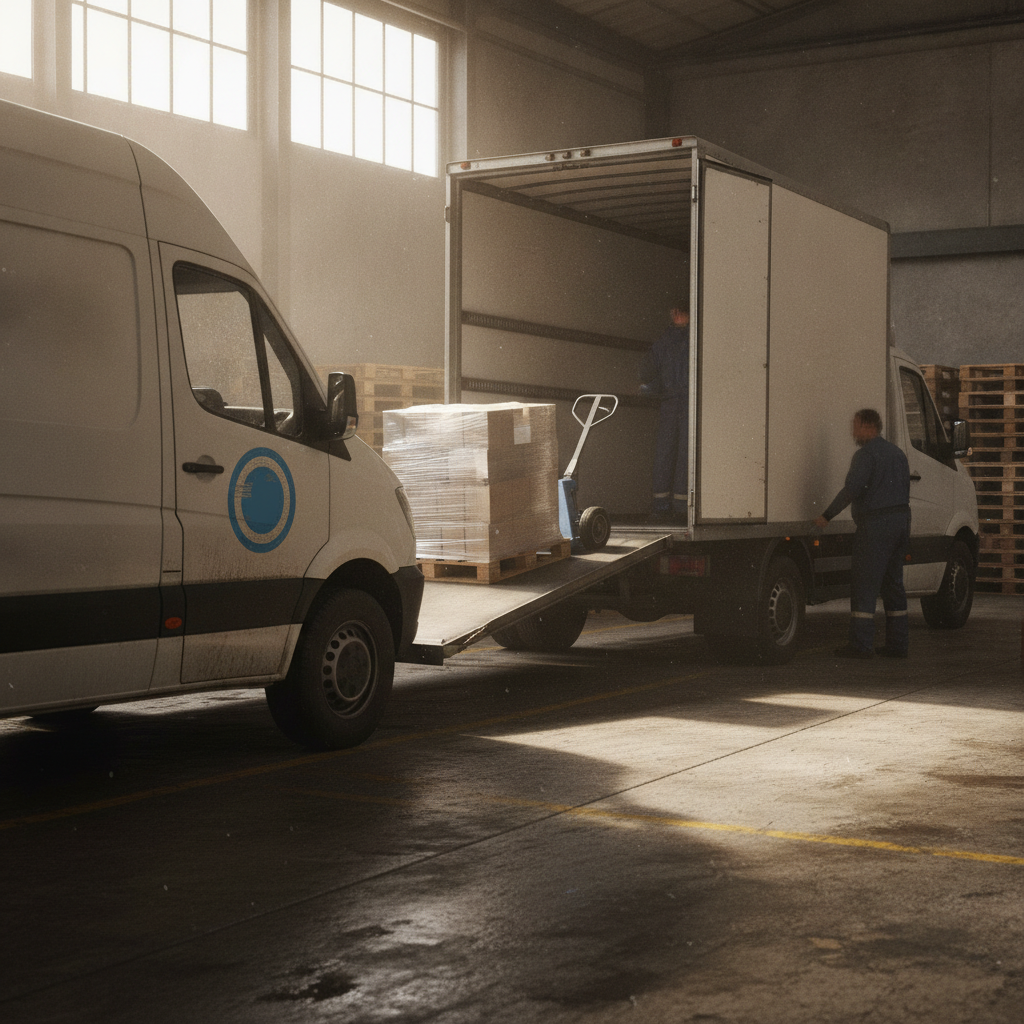
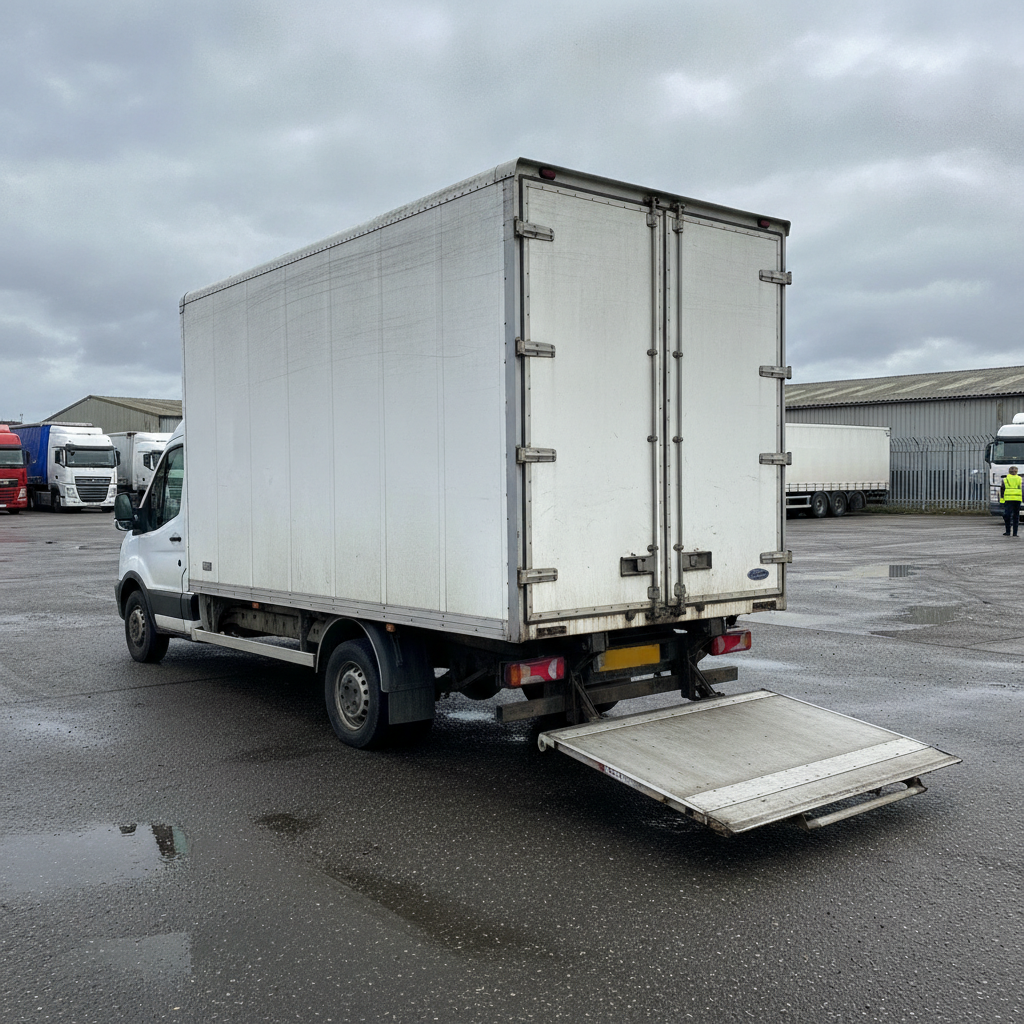
A tail lift van is a light commercial vehicle fitted with a mechanical or electro-hydraulic lifting platform mounted at the extreme rear of the chassis. Designed primarily to bridge the physical gap between ground level and the load floor, these vehicles eliminate the requirement for dedicated loading bays or on-site forklifts. For businesses handling heavy, bulky, or palletised freight, sourcing a vehicle from the market for used tail lift vans for sale transforms everyday logistics from an intensive multi-person task into a controlled, single-operator procedure.
The vast majority of tail lift conversions in the United Kingdom are built on three-and-a-half-tonne (3,500kg gross vehicle weight) chassis-cabs. This classification allows drivers holding a standard Category B car driving licence to operate them, subject to any company driving policies. The mechanical lift assembly attaches directly to the rear chassis extensions, drawing electrical power from the vehicle’s primary electrical system or, more commonly, a dedicated auxiliary deep-cycle battery bank that operates an electro-hydraulic power pack.
To choose the right vehicle, you must understand the different body styles and lift mechanisms available across the commercial market:
- Luton Box Vans: The quintessential platform for a tail lift. The square interior profile and extended over-cab storage space maximise cubic load volume, making it the preferred choice for goods that require full weather protection and high internal stacking height.
- Curtainsiders: A chassis fitted with sliding weatherproof curtain sides alongside a rear tail lift. This configuration allows fork trucks to load long items from the side while leaving the rear lift free for manual pallet-truck drops at locations without handling infrastructure.
- Dropsides and Flatbeds: Open-backed bodies fitted with rear lifts are regularly deployed in scaffolding, highway maintenance, and civil engineering where overhead loading via crane or forklift occurs alongside manual unloading from the road surface.
- Column Lifts: The most prevalent design on box bodies. The platform moves vertically along two steel or aluminium guide rails bolted to the rear frame pillars. They provide reliable stability and maintain a level platform across the entire vertical cycle.
- Cantilever Lifts: These mechanisms feature hydraulic rams that tilt and angle the platform. This geometry allows the platform to sit completely flush with uneven road surfaces and can act as the rear closure door, eliminating the need for a top roller shutter.
- Tuckaway and Underfloor Lifts: The lifting platform folds into sections and stows neatly beneath the rear chassis frame when not in operation. This design allows operators direct access to the rear doors for quick hand-loading and lets the vehicle back squarely into warehouse loading docks without damaging the mechanism.
Core Trades and Industries Reliant on Tail Lift Conversions
Tail lift vehicles form the backbone of urban distribution, home installation, and specialist transport across the UK. By mechanising the loading process, these vans protect operators from repetitive lifting injuries while meeting strict occupational health and safety guidelines.
Removals and clearance specialists represent a major segment of buyers. Moving grand pianos, cast-iron range cookers, antique wardrobes, and dense domestic furniture is impossible to execute safely with manpower alone on high-frequency routes. The tail lift acts as a steady mobile elevator, enabling two movers to roll heavy items straight out of a house, onto the platform, and directly into the Luton body.
Pallet delivery networks and independent multi-drop hauliers rely heavily on these vehicles. Regional hubs and distribution centres demand fast drop turnarounds. Drivers equipped with a heavy-duty pallet truck and a rear lift can deliver single five-hundred-kilogram pallets of construction aggregates, commercial feed, or retail stock kerbside to high-street shops and residential driveways without relying on the recipient to supply plant equipment.
Audio-visual production crews, theatre companies, and corporate event staging firms run box-body tail lifts constantly. Heavy road trunks, lighting trusses, sound mixing desks, and LED display panels are packed into wheeled flight cases. A rear lift with built-in platform stops ensures high-value, sensitive electronic equipment is rolled smoothly into the van without violent impacts or drop damage.
Domestic appliance retailers and commercial kitchen installers use tail lift vans to transport commercial refrigeration units, double ovens, and washing machines. When exploring the wider market of used vans to expand a trade fleet, buyers in these sectors often treat a functioning hydraulic lift as non-negotiable equipment that dictates the earning potential of their business.
Leading Makes and Models for Used Conversions
Selecting the right base vehicle requires balancing chassis strength, driveline durability, and local parts availability. Because a tail lift and its box body add substantial dead weight to the rear axle, choosing a proven mechanical platform is essential.
Ford Transit (350 Chassis Cab)
The Ford Transit is the definitive light commercial workhorse across the British Isles. When shopping for tail lift variants, the rear-wheel-drive (RWD) 350 model is the benchmark choice. Powered by the modern 2.0-litre EcoBlue diesel engine, or the older 2.2-litre TDCi unit on pre-2016 models, the Transit offers excellent low-end pulling power. Rear-wheel drive is strongly advised over front-wheel drive for tail lift setups; heavy weight placed on the rear platform levers down on the back axle, which can lift the front wheels of an unladen FWD van and cause severe traction loss on wet or greasy tarmac. Ford's widespread service network and affordable aftermarket parts make running costs predictable.
Mercedes-Benz Sprinter
Renowned for structural longevity and motorway performance, the Sprinter chassis is a favourite among high-mileage national couriers and removals teams. Older models run the durable 2.1-litre four-cylinder diesel engine, while later versions utilise the refined 2.0-litre OM654 unit. The Sprinter platform offers a notably rigid ladder chassis that handles the torsional twisting forces generated by cantilever lifts with minimal flex. Cabin comfort is superior for drivers spending entire working days behind the wheel, though buyers must check that high-mileage fleet examples have not been run on delayed service intervals.
Iveco Daily
The Iveco Daily stands apart from typical commercial vans because it utilizes a heavy-duty, steel C-section truck chassis rather than a monocoque body shell. Available with robust 2.3-litre and muscular 3.0-litre F1C diesel engines, the Daily is arguably the toughest chassis on the market. For operations carrying heavy, dense payloads up to the legal weight limit every single day, the Daily handles rear-axle loading exceptionally well. The trade-off is a higher unladen kerb weight due to the heavier steel frame, which slightly reduces your net payload capacity compared to lighter competitors.
Renault Master and Vauxhall Movano
Shared mechanical platforms between the Renault Master and the previous-generation Vauxhall Movano offer some of the most practical and cost-effective conversions available. Fitted with the reliable 2.3-litre dCi engine, these vehicles are frequently specified with lightweight alloy Luton bodies. This pairing delivers a competitive unladen kerb weight, allowing operators to claw back valuable payload margin that the heavy tail lift mechanism consumes. They represent practical, hard-working alternatives that typically command lower initial purchase outlays than German alternatives.
Mechanical, Electrical, and LOLER Checks for Buyers
Inspecting a used tail lift van requires checking both standard base-vehicle mechanics and the statutory lifting apparatus mounted at the rear. Overlooking either component can lead to immediate downtime, substantial repair costs, or regulatory fines.
LOLER Certification and Legal Compliance
In the UK, commercial tail lifts fall under the Lifting Operations and Lifting Equipment Regulations 1998 (LOLER). Under these statutory rules, lifting equipment used for carrying goods must undergo a thorough examination by an independent, competent person at least once every twelve months (or every six months if the platform is rated to lift personnel). When viewing a vehicle, always demand to inspect the current Report of Thorough Examination. A standard commercial MOT test does not assess, certify, or cover the operation of the tail lift mechanism. If the certificate is missing or expired, insist that the vendor has a valid LOLER test completed before concluding the purchase.
Hydraulic System Inspection
The electro-hydraulic power pack and lifting cylinders are subject to immense mechanical pressure. Begin your check by locating the hydraulic power pack, which is typically housed in a plastic or metal enclosure mounted to the chassis rail. Inspect the fluid reservoir; the oil should be clean, clear, and topped to the correct level, not black, burnt, or milky from water ingress. Examine all flexible hydraulic hoses for cracking, chafing, bulging, or wet spots around the swaged metal fittings.
Inspect the hydraulic rams along their full extension. The chrome piston rods must be immaculate. Any signs of pitting, rust spots, scoring, or weeping hydraulic seals will lead to fluid failure and costly cylinder refurbishments. Operate the lift through several full cycles from the ground up to the load bed and back down. Check that the descent and ascent speeds are consistent and that the platform does not shudder or stick in the guide channels.
Chassis Subframe and Mounting Structure
The tail lift mounts to the vehicle via steel brackets bolted or welded to the rear chassis extensions. This interface experiences extreme downward leverage whenever weight is positioned on the extended platform. Crawl beneath the rear of the vehicle with a high-powered torch to inspect this connection point thoroughly. Look for cracked welds, elongated bolt holes, warped metal flanges, or heavy, flaking corrosion. Surface oxidisation is common on working vehicles, but deep structural rot along the rear mounting plates poses a catastrophic failure risk.
Inside the load space, check the structural condition of the rear body pillars and the load floor. Box bodies frequently suffer from water entering around damaged roof corners or worn rear shutter seals. Moisture seeps down into the wooden or composite floor panels, rotting the structural flooring right where operators roll heavy pallet trucks onto the rear lift.
Auxiliary Electrics and Battery Condition
Operating a tail lift demands tremendous electrical current, often exceeding one hundred and fifty amperes during a heavy lift cycle. Relying solely on the vehicle's engine starter battery quickly causes flat batteries and starter motor failures. A properly installed conversion includes an auxiliary deep-cycle battery linked to the engine alternator via a heavy-duty split-charge relay or a battery-to-battery charger.
Test the lift with the van’s engine turned off to evaluate the health of the auxiliary battery. If the pump sounds laboured, runs slowly, or trips out after only one or two cycles, the auxiliary battery is degraded and requires replacement. Test both the fixed external controls on the rear body pillar and the remote wander lead inside the load bed. Verify that safety cut-off switches, platform emergency stops, and internal cab isolator switches immediately kill power to the unit when pressed.
Payload Math and Axle Limits
Weight management is the single most critical day-to-day operational factor for any 3.5t tail lift van owner. A standard Luton box body weighs between six hundred and eight hundred kilograms. A complete column or cantilever tail lift mechanism adds another one hundred and fifty to two hundred and fifty kilograms of dead metal and hydraulic fluid to the unladen weight. Once you account for a full tank of diesel, driver, and passenger, the remaining net payload capacity for cargo is often under nine hundred kilograms.
Drivers caught exceeding their Gross Vehicle Weight or individual rear axle weight ratings face escalating spot fines from the Driver and Vehicle Standards Agency (DVSA), alongside immediate vehicle immobilisation. Locate the manufacturer weight plate under the bonnet or inside the door shut. Whenever possible, take the prospective van to a local public weighbridge to verify its true unladen weight before buying, ensuring it leaves enough practical carrying capacity for your typical cargo loads.
Typical Used Price Ranges
Commercial vehicle values fluctuate based on mechanical maintenance, age, mileage, and clean air compliance. Commercial vehicle listings generally show prices excluding VAT, which means buyers who are not VAT-registered must factor an additional twenty percent onto the purchase price.
Entry-Level Workhorses: Under £8,500
Vehicles in this price tier are predominantly older models registered prior to 2016, with odometers often showing well over one hundred and twenty thousand miles. At this level, expect clear cosmetic imperfections, surface corrosion on mechanical subframes, and older Euro 5 diesel engines. These older engines are subject to daily charges inside Clean Air Zones such as London’s Ultra Low Emission Zone (ULEZ), the Birmingham Clean Air Zone, and Bath’s charging area. Vans in this category suit localised trades operating strictly outside regulated urban zones who have the mechanical knowledge to handle routine maintenance themselves.
Mid-Market Fleet Workhorses: £8,500 to £16,000
This bracket represents the core operating segment for small businesses and expanding trade operators. Vehicles falling into this pricing band are typically registered between 2016 and 2020, with mileages varying between seventy thousand and one hundred and twenty thousand miles. Most importantly, vehicles in this category feature Euro 6 compliant diesel engines, allowing penalty-free travel through clean air zones across the country. They often originate from commercial leasing companies or national delivery fleets, meaning they usually come with traceable, digital maintenance records documenting hydraulic inspections alongside engine servicing.
Late-Plate and Low-Mileage Platforms: £16,000 to £25,000+
This premium used category features late-registration models, typically one to four years old, showing under fifty thousand recorded miles. Many vehicles in this tier remain covered by their original manufacturer warranty periods for the base vehicle chassis. These vans often feature modern composite or ultra-lightweight aluminium box bodies designed to maximise legal carrying capacity, alongside modern cabin conveniences like reversing cameras, blind-spot monitoring, and smartphone mirroring. For operators where zero downtime is critical to maintaining high-value contracts, investing in this tier provides modern reliability and reduced maintenance overheads.
Commercial Finance Structures for Used Vans
Balancing cash flow against fleet acquisition is an essential financial decision for sole traders, partnerships, and limited companies. Securing commercial vehicle funding allows businesses to obtain the machinery they need while preserving working capital for raw materials, unexpected repairs, and payroll. When planning your vehicle funding, reviewing commercial van finance options is an effective way to identify a framework that matches your operational cash flow.
Hire Purchase
Hire Purchase (HP) is a straightforward, traditional funding method for businesses that intend to retain and run the vehicle for its entire operational working life. The business typically pays a deposit—often equivalent to the full VAT amount, which VAT-registered entities can reclaim on their next quarterly return—followed by fixed monthly payments spread over two to five years. Once all scheduled instalments and the nominal option-to-purchase fee are cleared, title and complete legal ownership of the vehicle transfer permanently to your business. The vehicle is recorded as a balance sheet asset and qualifies for capital allowances such as the Annual Investment Allowance.
Finance Lease
Finance Lease is widely popular with commercial fleet operators who want the flexibility of vehicle ownership without the burden of taking full title immediately. The business hires the vehicle for a set monthly fee over an agreed term. A common approach involves paying lower monthly instalments during the lease period by arranging an agreed final balloon payment at the conclusion of the contract, based on the projected future residual value of the van. When the term finishes, the business can settle the balloon payment and retain operational use by paying an annual peppercorn rental, or sell the vehicle on behalf of the finance company, retaining the vast majority of the sales proceeds.
Contract Hire
Contract Hire is an operational lease solution suited to businesses that want fixed motoring costs without any residual value risk. You pay an initial rental followed by regular monthly payments over a period of two to four years, with the option to roll scheduled maintenance, servicing, and replacement tyre packages into the agreement. At the close of the contract, the van is returned to the leasing company, subject to standard fair wear and tear guidelines and contracted mileage limits. You do not own the vehicle and have no exposure to second-hand depreciation rates.
Please note: Vansales is an independent online vehicle marketplace and informational platform. Vansales is not a lender, broker, or financial provider, does not arrange finance, and does not sell vehicles directly. Vehicle prices, interest rates, approval criteria, and commercial terms vary across independent dealerships, lenders, and brokers. Business operators should assess their financial position and consult directly with an FCA-regulated finance provider before signing any commercial agreements.