Buying used high roof vans
Understanding High Roof Vans and What They Do
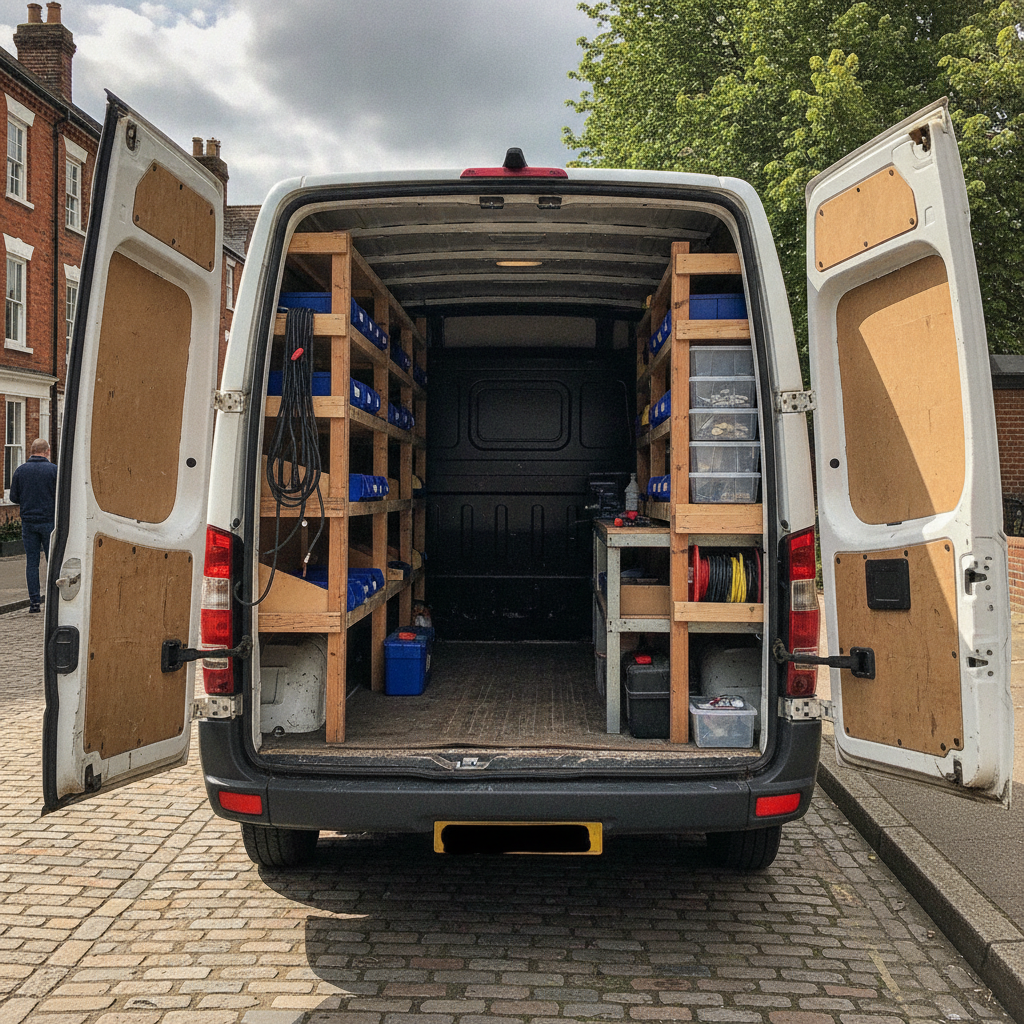
In the commercial vehicle sector, internal load volume often dictates daily productivity far more than gross vehicle weight. Standard panel vans limit how cargo can be stacked and force operatives to stoop, crouch, or crawl when retrieving tools, plant, and raw materials. A high roof van fundamentally changes this working dynamic by providing vertical height that allows tradespeople and delivery drivers to walk completely upright through the cargo bay. This eliminates repetitive spinal strain, unlocks vertical wall space for complex racking assemblies, and permits the carriage of tall, indivisible goods that cannot be laid flat.
Commercial van bodies are universally categorized using length and height codes, designated as L and H. Standard roof heights sit at H1. High roof models are designated as H2 (high roof) and H3 (super high roof). In an H2 configuration, most drivers up to six feet in height can stand upright with ease, as interior load clearance generally measures between one point eight eight and one point nine five metres. In an H3 configuration, ceiling clearance regularly exceeds two point one metres, creating cavernous internal capacities reaching fifteen to seventeen cubic metres when paired with long-wheelbase platforms.
Drivetrain layout plays a critical role in usable cargo space. Front-wheel-drive configurations eliminate the rear propshaft and differential, resulting in a load floor that sits closer to the asphalt. This design provides an easier step-in height and yields more internal cubic volume for a given exterior roof line. Rear-wheel-drive and all-wheel-drive alternatives feature a raised load bed to clear the mechanical driveline. While rear-wheel-drive designs offer superior traction when fully laden and greater towing capacity on unmade ground, they trade away several inches of internal standing headroom compared to front-wheel-drive counterparts of the same external roof height.
Core Trades That Rely on High Roof Commercials
High roof vans are essential capital assets across a broad cross-section of UK trade and logistics industries. These vehicles serve as mobile production facilities, dedicated material transporters, and high-efficiency logistics platforms.
- Plumbing, Heating, and Gas Engineers: Carrying three-metre copper tube lengths, vertical boiler units, and unvented hot water cylinders requires ample vertical clearance. Standing height allows engineers to operate internal pipe benders and assemble manifold systems on integrated workbenches mounted over wheel arches.
- Carpenters, Joiners, and Shopfitters: Standard eight-by-four sheet materials can be carried vertically against internal bulkheads or dividers, leaving the central floor aisle completely unobstructed for heavy static machinery such as table saws, chop saws, and dust extraction barrels.
- Mobile Mechanics and Plant Engineers: These professionals routinely mount industrial air compressors, high-pressure hydraulic lines, oil recovery tanks, and heavy-duty steel toolchests inside the vehicle. The overhead clearance makes it possible to work beside internal machinery without ducking.
- Multi-Drop Courier and Parcel Networks: Fast-paced courier delivery requires rapid, unhindered access. High roof vans allow parcel handlers to enter directly from the cabin through a walk-through bulkhead sliding door, pick parcels from multi-tier shelving units, and exit via the side door without crouching.
- Camper and Race Van Converters: High roof vans serve as the primary donor platform for camper builds. Retaining proper standing height after installing floor battens, dense thermal insulation, subflooring, and finished tongue-and-groove or composite ceilings requires an H2 or H3 donor vehicle.
Leading High Roof Makes and Models in the UK
The UK commercial market offers several distinct high roof platforms, each engineering a balance between payload, internal volume, and mechanical durability.
Ford Transit (H2 and H3)
The full-size Ford Transit represents the benchmark for UK fleet operators. Available in standard high roof and super high roof configurations across medium, long, and extended wheelbases, the Transit offers versatile drivetrain options covering front-wheel drive, rear-wheel drive, and intelligent all-wheel drive. Post-2016 models are powered by the two-litre EcoBlue diesel engine. Key working advantages include class-leading cab ergonomics, accessible parts availability, and widespread servicing knowledge across independent UK garages. Front-wheel-drive models maximize internal load height, while rear-wheel-drive heavy-duty variants offer rear twin-wheel configurations built to carry extreme payloads without wallowing.
Mercedes-Benz Sprinter
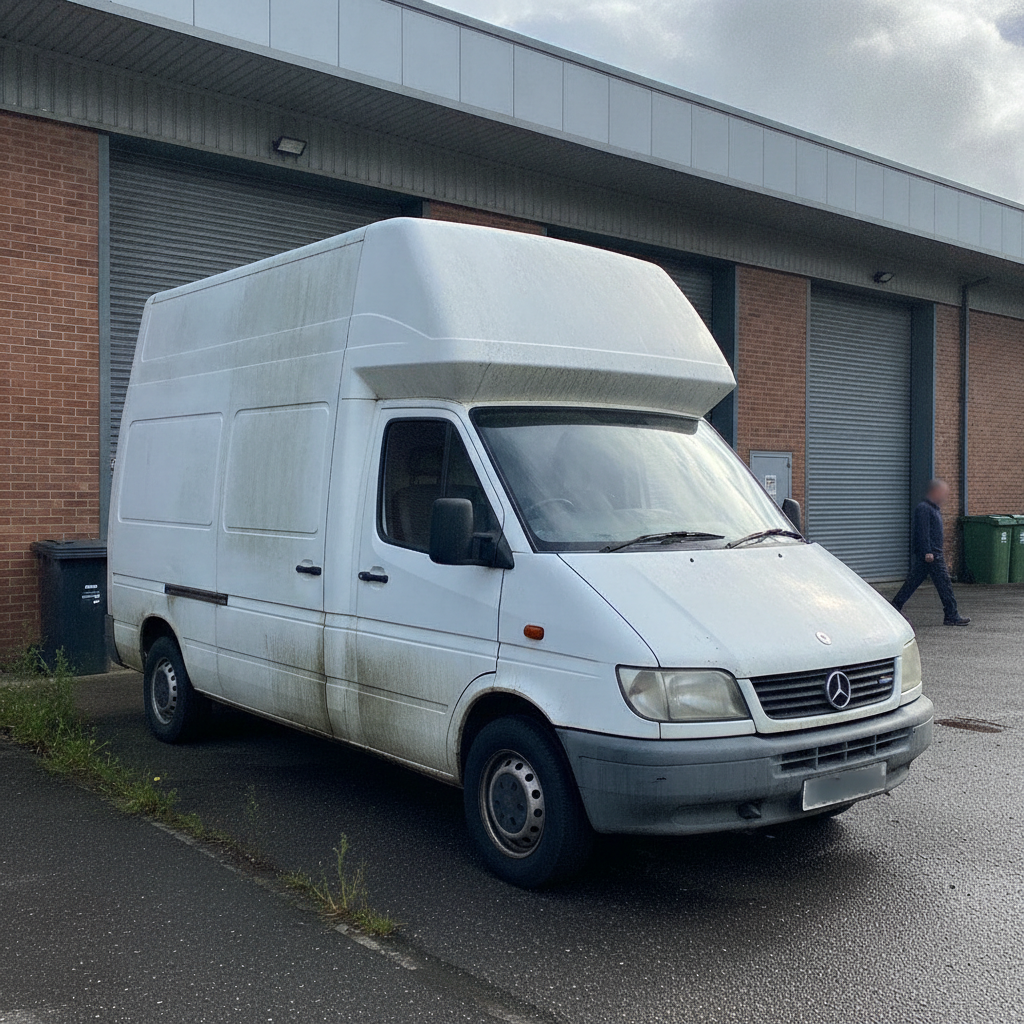
A perennial favourite of long-distance logistics firms and heavy trade users, the Mercedes-Benz Sprinter provides an exceptional highway ride and an extensive working footprint. The model line transitioned from the venerable two-point-one-litre OM651 engine to the modern two-litre OM654 all-aluminium diesel powerplant on late-plate stock. Sprinters feature advanced active electronic stability programs that constantly adjust for load distribution and high-sided wind resistance. The cabin features sophisticated infotainment options through the MBUX platform. Sprinter cargo spaces are notably long and narrow, offering high cubic capacity, although operators must watch structural rear-wheel-arch corrosion on hard-worked, high-mileage fleet stock.
Volkswagen Crafter and MAN TGE
Developed entirely in-house by the Volkswagen Group, the modern Crafter and its mechanical sibling, the MAN TGE, set the industry standard for driver ergonomics and steering precision. Utilizing an electro-mechanical steering system, these vans incorporate crosswind assistance as standard, which counteracts wind buffet against high slab sides. Available in front, rear, and 4Motion all-wheel-drive configurations, power comes from a transverse or longitudinal two-litre TDI engine. The cargo bay features squared-off internal architecture, providing uniform vertical wall profiles that make fixing bespoke internal racking systems straightforward.
Peugeot Boxer, Citroen Relay, and Fiat Ducato
Sharing the Stellantis Sevel platform, these three vans are among the most practical options for maximizing volume per pound spent. Built exclusively as front-wheel-drive platforms, they feature the widest internal cargo width in their category, measuring one point four two metres between the inner wheel arches. This allows standard eight-by-four boards to lie completely flat on the floor or stand securely upright against the ribbing. Because they dispense with heavy rear driveline components, their kerb weight is remarkably low, delivering higher legal payload figures than similarly sized rear-wheel-drive alternatives. Ducato models feature proprietary Multijet engines, while Boxer and Relay models use BlueHDi diesel units.
Renault Master, Nissan NV400, and Interstar
The Master platform offers a rugged, trade-focused workhorse known for mechanical simplicity. Powered by twin-turbo variants of the dependable two-point-three-litre dCi engine, it provides generous torque down low in the rev band. These vans are supplied in front-wheel-drive configurations for maximum volume, or rear-wheel-drive with single or twin rear wheels for demanding site duties. Cab architecture is deliberately practical, featuring tough wipe-clean plastics, under-seat storage bins, and simple dashboard switches built to handle rough treatment on building sites.
Comprehensive Used Inspection Checklist for High Roof Vans
High roof vans operate under severe working conditions, with the vehicle's height introducing specific structural vulnerabilities. You should conduct a methodical appraisal before committing to any vehicle on the second-hand market.
Roof and Overhead Impact Damage
Car park barriers, low masonry archways, service station canopies, and overhanging tree branches cause frequent collision damage to high-sided vehicles. Examine the exterior roof skin using a step ladder. Check along the entire roof swage lines and roof gutters for gouges, dents, split seams, and makeshift silicone patches. Cracks in the fibreglass mouldings of high roof extensions or split sheet-metal seams cause persistent water ingress that damages goods, corrodes internal wiring harnesses, and causes structural floor rot beneath load mats.
Door Operation, Hinges, and Roller Tracks
Due to the increased mass and height of high-roof cargo doors, mechanical wear on hinges and rollers is significantly higher than on standard-height vans:
- Sliding Side Doors: Check the nylon-coated upper, middle, and lower guide rollers. If the door drops, snags, or requires physical lifting to close securely, the rollers are worn, or the tracking channel is distorted.
- Rear Cargo Doors: Inspect the rear door checks and two-hundred-and-seventy-degree opening hinges. Worn hinges cause rear doors to sag, damaging the latch mechanisms and preventing weather seals from meeting, which leads to water entry during motorway driving.
- Bulkhead Welds: Inspect where the cabin bulkhead meets the B-pillar frame. High-torsion stress from body twist can cause spot welds to shear on high-mileage vans.
Suspension Integrity and High-Cube Loading Wear
High-cube cargo carrying shifts the vehicle's center of gravity upward, placing immense dynamic strain on suspension and running gear. Inspect the rear leaf springs while the vehicle is parked on flat ground. Flattened, inverted, or cracked spring leaves indicate routine overloading. Check the rear shock absorbers for hydraulic fluid leaks and inspect the bump stops for impact damage. During your road test, assess body roll through roundabouts; excessive wallowing suggests tired anti-roll bar drop links, worn anti-roll bar bushes, or soft dampers.
Emissions System and Urban Wear
Many high roof vans spend their operational lives on urban multi-drop delivery routes where engines never reach peak operating temperatures. This duty cycle causes severe strain on modern Euro 6 emission control systems:
- Diesel Particulate Filter (DPF): Look for signs of frequent forced regenerations or warning lights on the instrument cluster. Repeated short-distance driving leads to carbon soot accumulation that permanently blocks the DPF matrix.
- AdBlue Hardware: Check the integrity of the AdBlue tank, heater elements, and dosing injectors. Crystalized white deposits around the exhaust injector signal leaks or failing pump units.
- Exhaust Gas Recirculation (EGR) Valves: Carbon-choked EGR valves manifest as sluggish throttle response, erratic idling, and surging under moderate acceleration.
Drivetrain and Underside Checks
If you are assessing a rear-wheel-drive Transit, Sprinter, or Crafter, inspect the longitudinal propshaft. Listen carefully for metallic clunks when moving away from a standstill or shifting between reverse and first gear. This noise indicates play in universal joints or failure of the centre support carrier bearings. On front-wheel-drive models, check the inner and outer drive-shaft CV boots for splits, and listen for clicking noises on full steering lock under load.
Price Expectations for Used High Roof Vans
Valuations on the UK second-hand market correlate closely with emissions certification, mileage, mechanical service history, and exterior condition. Always check the government MOT digital database to verify mileage integrity, structural corrosion advisories, and historical safety failures before viewing.
Entry-Level Workhorse Tier: Under £8,000
Vehicles positioned within this budget bracket represent older Euro 5 models or early Euro 6 workhorses that have accumulated high mileage, typically exceeding one hundred and forty thousand miles. These vans frequently exhibit cosmetic panel scuffs, worn interior cabins, and aged suspension components that will soon require mechanical intervention. While mechanically durable if maintained, Euro 5 models in this tier face daily emissions charges when entering low-emission zones in major UK urban areas. Set aside a dedicated contingency fund for steering, suspension, and braking overhauls when purchasing in this price range.
Mid-Range Commercial Fleet Tier: £8,000 to £16,000
This tier accounts for the core of the independent trade market. Here you will find well-maintained Euro 6 compliant models spanning four to eight years of age, with mileage counts typically ranging between sixty thousand and one hundred and ten thousand miles. Many examples sourced in this range originate from major contract hire fleets, municipal utility fleets, or corporate leasing companies, meaning they carry structured maintenance documentation. Cargo bays may feature pre-installed plywood lining, steel bulkheads, and heavy-duty tie-down tracks, saving significant fit-out costs.
Late-Plate and Premium Fleet Tier: £16,000 to £25,000+
Within this premium category, buyers find low-mileage commercial stock, including late-plate vehicles with fewer than forty-five thousand recorded miles. These vans often carry the balance of original manufacturer warranties or verified dealer guarantees. Cab interiors show minimal wear, and modern technical conveniences such as touchscreen infotainment, reversing cameras, lane-keeping assistance, and adaptive cruise control are widely fitted. High-specification Sprinters, four-wheel-drive Transits, and automatic VW Crafters sit near the peak of this price band. Review all advertised listings carefully to determine whether prices are quoted inclusive or exclusive of Value Added Tax.
To view current inventory matching your structural and payload requirements, look through our wide range of used vans to identify vehicles ready for active site deployment.
Commercial Vehicle Finance Options Explained
Funding a commercial vehicle purchase requires choosing an agreement structure that matches your business cash flow, tax profile, and operational plans. Vansales operates exclusively as an independent vehicle marketplace and information platform; it does not arrange credit, lend funds, or act as an authorized financial broker. Several distinct commercial funding models are commonly used by UK tradespeople and businesses when securing vehicles from independent dealers and commercial finance providers.
Hire Purchase (HP)
Hire Purchase is a direct route to commercial vehicle ownership. Under an HP agreement, you pay an initial deposit, followed by fixed monthly payments spread over a term typically ranging from two to five years. The Value Added Tax on the total invoice price is usually paid upfront as part of the initial deposit; registered businesses can often reclaim this on their next quarterly VAT return, subject to normal tax rules. Once all monthly instalments and any nominal option-to-purchase admin fees are cleared, legal title transfers entirely to your business. This method is preferred by sole traders who rack their vans heavily and intend to keep them for many years.
Finance Lease
Finance Lease is popular among VAT-registered limited companies that want to keep capital inside the business. Rather than paying the total purchase VAT upfront, the tax is added to and spread across each monthly rental payment. Agreements can be tailored around a final balloon payment, which is an agreed estimated residual value due at the end of the term. This reduces ongoing monthly outgoings. At the end of the lease, the vehicle is sold to an independent third party; if the sale clears the balloon balance, the business retains the majority of any surplus proceeds.
Contract Hire
Operating as a long-term rental contract, Contract Hire allows a business to run a high roof van without taking on asset depreciation risks. You pay a set initial rental, followed by fixed monthly payments over an agreed period and mileage allowance. Maintenance and servicing packages can often be integrated into the monthly fee. When the term concludes, the vehicle returns directly to the leasing house. The vehicle cannot be owned, and penalties apply if agreed mileage limits are exceeded or if bodywork damage goes beyond standard industry fair wear and tear guidelines.
For a detailed breakdown of agreements, tax considerations, and commercial lending processes, read our complete guide to van finance before choosing your next vehicle.
Sourcing Quality Used High Roof Stock
Finding a dependable high roof panel van comes down to matching the vehicle's structural layout to your day-to-day operations. Prioritize models with documented service histories that verify routine oil changes, timing belt or timing chain renewals, and fluid services. Verify the exact internal clearance to ensure your planned storage systems, standing workstations, or bulky freight will fit without restriction.
Pay close attention to overall exterior height when driving unfamiliar routes, especially around bridge clearances and multi-storey structures. A thorough inspection of the vehicle's roof, running gear, doors, and emissions equipment will help you find a reliable, volume-capable workhorse that keeps your business moving for years to come.