Buying used panel vans
Understanding the panel van body type
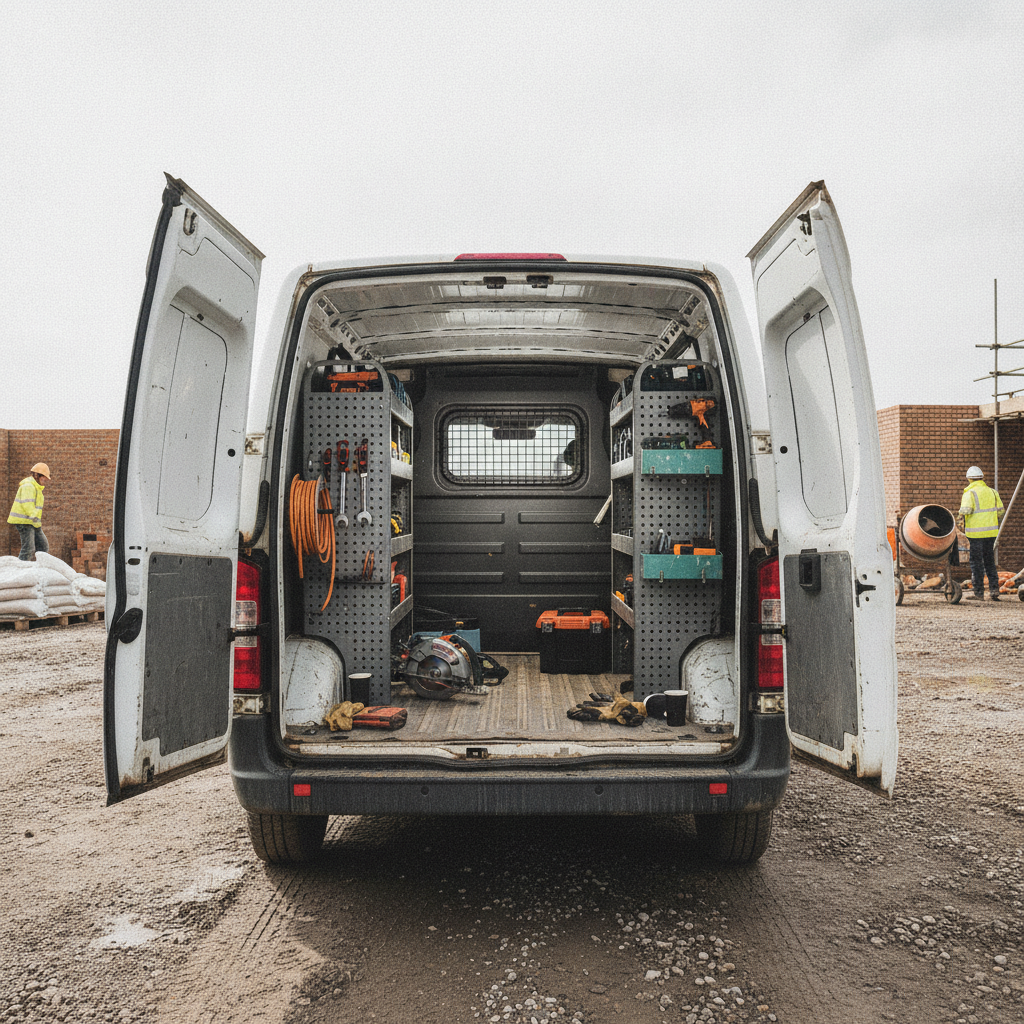
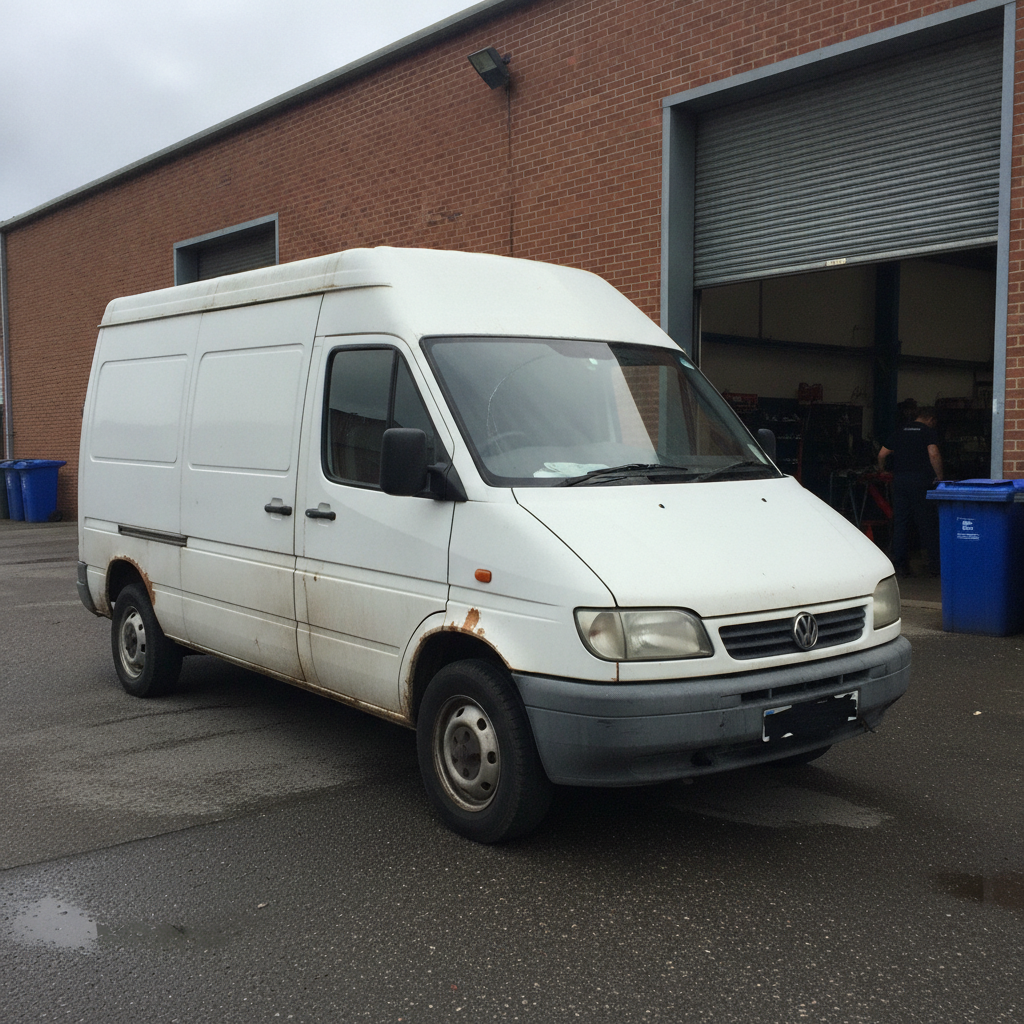
A panel van is the quintessential workhorse of British commerce. Built on an integrated chassis or monocoque shell, it features a completely enclosed, windowless load area behind the cab, solid sheet metal or composite side panels, and full-height rear loading doors. Unlike chassis-cab conversions—such as Luton box vans, tippers, or dropside flatbeds—a standard panel van retains its factory bodywork, delivering superior structural rigidity, refined aerodynamics, and enhanced cargo security.
Panel vans are distinct from crew vans or kombi models, which incorporate a second row of seats and side windows. In a dedicated panel van, the interior space behind the front seats is reserved entirely for freight, tools, or equipment, separated from the cabin by a robust steel or composite bulkhead. They are also engineered differently from car-derived vans; while small car-derived variants share running gear with passenger cars, true panel vans feature reinforced subframes, heavy-duty rear axles, and commercial-grade suspension systems tuned specifically to manage substantial, shifting payloads day in and day out.
Who buys used panel vans and why?
Panel vans support virtually every mobile trade and delivery network in the UK. Their popularity stems from their practicality: they protect valuable cargo from the wet British weather, provide a secure, concealed space that deters opportunistic tool theft, and can be driven comfortably through standard suburban streets and retail parks.
Key buyers across the UK include:
- Sole traders and building contractors: General builders, carpenters, bricklayers, and roofers rely on medium and large panel vans to transport timber, sheet materials, cement mixers, and site tools securely between jobs.
- Plumbers, gas engineers, and electricians: Skilled mechanical and electrical trades favour small and medium panel vans fitted with bespoke internal racking to carry copper pipe, cable reels, power tools, and high-value diagnostic kits.
- Multi-drop courier and parcel networks: Logistics firms, independent delivery drivers, and franchise couriers demand long-wheelbase, high-roof panel vans to maximise volumetric capacity for boxed parcels.
- Mobile mechanics and breakdown technicians: Service engineers use high-payload panel vans equipped with onboard compressors, generators, tool chests, and recovery equipment to carry out roadside repairs.
- Painting and decorating contractors: Decorators require accessible, clean, and easily organised load beds capable of taking steps, platforms, extension poles, and paint tins without tipping.
- Catering and event suppliers: Mobile caterers and florists choose panel vans for their flat, easily insulated floors and protection from direct sunlight and wind.
Popular used panel vans in the UK market
The UK used marketplace offers an extensive selection of panel vans spanning compact city runabouts to cavernous 3.5-tonne hauliers. Several proven models dominate the listings:
- Ford Transit Custom: Britain’s consistent best-seller in the medium segment. Known for its car-like driving position, responsive EcoBlue diesel engines, expansive dealer network, and massive availability of second-hand components and racking.
- Ford Transit (Full Size): The benchmark large van. Offered in front-wheel drive, rear-wheel drive, and all-wheel drive variants, it provides enormous cubic capacity and strong towing ratings for demanding industrial applications.
- Volkswagen Transporter (T5, T6, T6.1): A medium van that commands strong residual values. Prized for its build quality, refined cabin ergonomics, efficient TDI engines, and widespread appeal among tradespeople who also use their van for private weekend transport.
- Mercedes-Benz Sprinter: A staple among motorway hauliers and logistics fleets. Renowned for durability, long service intervals, high motorway refinement, and advanced driver assistance systems.
- Vauxhall Vivaro / Renault Trafic: Popular medium vans providing an economical balance of payload, reliable four-cylinder diesel engines, and low running costs. Post-2019 Vivaro models share the Stellantis EMP2 platform with the Peugeot Expert and Citroën Dispatch.
- Citroën Berlingo / Peugeot Partner: Market-leading small vans ideal for urban operations. They offer class-leading payloads for their footprint, tight turning circles, and frugal 1.5-litre BlueHDi engines.
- Volkswagen Crafter / MAN TGE: Sharing the same platform, these modern large vans feature high payloads, superb crosswind assistance, and intuitive ergonomics, making them popular for high-mileage courier duties.
Payload capacities and body dimension ranges
Panel vans are categorised across four primary footprints: small, medium, large, and extra-large. Manufacturers use designations such as L1, L2, L3, and L4 to denote length (wheelbase and rear overhang), paired with H1, H2, and H3 to denote roof height.
- Small panel vans (e.g., Berlingo, Transit Connect): Load lengths typically range from 1.7 to 2.1 metres, with load volumes between 3.0 and 4.4 cubic metres. Payloads generally span 600kg to 1,000kg.
- Medium panel vans (e.g., Transit Custom, Trafic): Load lengths usually sit between 2.4 and 2.9 metres, with internal load heights from 1.4 to 1.8 metres (offering 5.5 to 8.5 cubic metres of volume). Payloads range from roughly 850kg to 1,450kg depending on gross vehicle weight.
- Large panel vans (e.g., Sprinter, Boxer, 3.5t Transit): Load lengths range from 3.0 to over 4.5 metres, with interior standing heights up to 2.1 metres in H3 format. Load volumes expand from 10.0 to over 17.0 cubic metres, with payloads varying between 1,000kg and 1,600kg.
Payload figures vary significantly between individual vehicle configurations. Factory-fitted options, transmission choices, drive formats (rear-wheel drive running gear is heavier than front-wheel drive), tow bars, and internal ply lining reduce your net carrying capacity. Never rely on brochure generalisations. Always verify the vehicle’s maximum gross vehicle weight (GVW) and unladen weight on the manufacturer weight plate (usually riveted inside the driver’s door pillar or under the bonnet) and cross-reference these details with the V5C registration document.
What to check when buying a used panel van
Commercial vehicles endure demanding work environments, uneven loading, and multi-driver fleets. A rigorous mechanical and body inspection is vital before committing to a purchase.
Cargo bay and bodywork integrity
- Load bay floor and arches: Inspect underneath fitted ply lining where possible. Look for corrosion, punctured steel floors caused by forklift tines, or crushed wheel arches caused by shifting ballast.
- Doors and runners: Test side sliding doors thoroughly. Ensure they glide smoothly along their tracks without sticking or dropping. Inspect top and bottom nylon runner bearings for wear. Open rear barn doors to their 90-degree and 270-degree checks; check that door hinges have not dropped or bent under windy conditions.
- Bulkhead condition: Ensure the factory bulkhead is securely bolted, undamaged, and free of structural cracks. A loose or damaged bulkhead impairs both cabin noise suppression and driver safety under heavy braking.
- Roof panels: Check the roof for dents, scrapes from low barriers, or water ingress around aftermarket roof rack mountings and flashing beacons.
Mechanical and powertrain inspection
- Engine cold start: Insist on inspecting the van from completely cold. Listen for top-end rattle, cam-chain slap, or erratic idling. Look for excessive white, blue, or black smoke from the exhaust on start-up.
- Emissions hardware (DPF and AdBlue): Diesel particulate filters (DPFs) and Selective Catalytic Reduction (SCR/AdBlue) systems are common failure points on vans used exclusively for short, stop-start urban delivery cycles. Check the dashboard for warning lights. Scan for pending diagnostic trouble codes that suggest blocked filters, faulty AdBlue dosing injectors, or failing NOx sensors.
- Clutch and dual-mass flywheel: Heavy payloads put massive strain on transmissions. Press the clutch pedal to feel for severe vibration or pulsing. Accelerate hard in third or fourth gear at low engine speeds to confirm the clutch does not slip, and listen for chattering flywheels when shutting down the engine.
- Suspension and underside: Check for broken leaf springs, leaking rear dampers, and cracked coil springs. Excessive rear-end squat while unladen points to worn, tired suspension caused by persistent overloading. Check the inner chassis rails, sills, and subframes for corrosion or rough repair welds.
- Braking system: Inspect disc faces for deep ridges or severe inner corrosion. Heavily loaded vans wear through brake pads quickly; ensure the handbrake holds firmly on an incline.
Indicative used price bands across the UK market
Used panel van prices are dictated by mileage, age, structural condition, cosmetic cleanliness, and emissions compliance. The figures below provide a general snapshot of the UK market; you should always consult live listings on Vansales.com for real-time pricing.
- Budget workhorses (£3,000 to £6,500): Vans in this bracket are typically 8 to 14 years old with odometers reading between 120,000 and 200,000+ miles. Many are older Euro 4 or Euro 5 diesels. Expect cosmetic blemishes, visible cargo bay wear, and incomplete service documentation. They suit low-mileage local trades outside urban clean air zones.
- Mid-range commercial stock (£6,500 to £13,000): Comprises vans aged roughly 5 to 9 years with 60,000 to 120,000 miles. This bracket contains plentiful early Euro 6 models suitable for modern clean air zones. Expect sound mechanics, working air conditioning, partial to full service histories, and tidy cabs.
- Modern fleet and trade stock (£13,000 to £22,000): Covers 2 to 5-year-old vans with between 25,000 and 60,000 miles. Vehicles in this range often come with single-company ownership, full main-dealer servicing, higher trim packages (such as Ford Trend or Limited, VW Highline), and pristine load bays.
- Nearly new and premium hauliers (£22,000 to £35,000+): Vehicles under 2 years old with delivery to low mileage (under 25,000 miles). These encompass high-specification large vans (Sprinter, Crafter, Transit Custom Sport) with balance of manufacturer warranty, active safety suites, and automatic transmissions.
Everyday running costs: fuel, tax, insurance, and emissions
Calculating the true cost of ownership is essential for budgeting your monthly commercial overheads.
- Fuel consumption: Small 1.5-litre diesel vans can achieve 45 to 55 mpg on open runs. Medium vans typically return 34 to 42 mpg unladen, dropping to 30 to 35 mpg when carrying substantial weight or driving around towns. Large 3.5-tonne panel vans generally return between 26 and 34 mpg depending on rear axle ratios and driving styles.
- Vehicle Excise Duty (Road Tax): Most light commercial vehicles (LCVs classified as N1) pay a flat annual rate of VED regardless of engine capacity or CO2 output, distinct from the variable bands applied to passenger cars. Always verify the current standard rate on the official GOV.UK website.
- Commercial van insurance: Van policies are split into distinct classes of use: Social, Domestic & Pleasure; Carriage of Own Goods (for trades carrying their own tools, equipment, or stock); and Haulage or Carriage of Goods for Hire and Reward (mandatory for multi-drop couriers and freight hauliers). Haulage policies attract significantly higher premiums.
- Servicing and upkeep: Routine servicing intervals for modern diesels often stretch to 20,000 or 25,000 miles, but vans operating in heavy stop-start urban cycles benefit from interim oil changes every 10,000 to 12,000 miles. Budget for regular brake replacements, commercial-rated tyres (load index rated ‘C’), and periodic suspension bush renewals.
- Clean Air Zones and ULEZ: The London Ultra Low Emission Zone (ULEZ) and provincial Clean Air Zones (such as Birmingham, Bristol, Sheffield, and Newcastle) mandate that diesel vans must meet Euro 6 emissions standards (Euro 4 for petrol) to avoid daily access charges. Check the vehicle’s emissions designation on the V5C logbook before buying if you operate in or near these controlled areas.
Commercial vehicle finance and VAT explained
Managing capital outlay is a priority for businesses purchasing commercial vehicles. Several funding paths exist across the UK market:
- Hire Purchase (HP): A straightforward method where you pay a deposit followed by fixed monthly instalments over an agreed term. Once the final fee or payment is made, your business owns the van outright.
- Finance Lease: Popular with VAT-registered businesses and fleets. You pay fixed monthly rentals without taking ultimate legal ownership. At the end of the term, the van is sold to a third party, with your business typically retaining the majority of the proceeds (or settling a balloon payment).
- Personal Contract Purchase (PCP): While more common with cars, some lenders offer PCP on light commercial vehicles. It provides lower monthly payments with a large optional balloon payment at the end should you wish to retain the vehicle.
Value Added Tax (VAT) is a critical consideration on commercial vans. Unlike cars, most used vans are sold subject to standard rate VAT (currently 20%), which is added on top of the headline sale price. If your business is VAT-registered, you can generally reclaim this input VAT in full, provided the vehicle is used for trade purposes. Some vans are sold without VAT under the commercial margin scheme or by non-registered private sellers; on these listings, no VAT can be reclaimed. Vansales.com does not provide finance, act as a broker, or lend funds; always seek independent financial or accounting advice to identify the most tax-efficient method for your enterprise.
Common questions
What do the SWB, MWB, and LWB designations mean?
These terms refer to the wheelbase—the distance between the front and rear axles. SWB means Short Wheelbase, MWB is Medium Wheelbase, and LWB indicates Long Wheelbase (with XLWB or ELWB covering extra-long variants). Longer wheelbases yield greater floor load length and interior cubic capacity, but result in a larger turning circle and more demanding road manoeuvrability.
How can I verify if a used diesel van is Euro 6 and ULEZ compliant?
You can check the vehicle’s registration using the official Transport for London (TfL) vehicle checker or the GOV.UK Clean Air Zone portal. You should also examine the vehicle’s V5C registration document under section D.2 or the emissions category; it must state Euro 6 (often Euro 6b, 6c, 6d-TEMP, or 6d) to qualify for fee-free access.
Can I drive any 3.5-tonne panel van on a standard car licence?
Yes. If you hold a standard UK category B car driving licence, you are legally permitted to drive commercial vehicles with a Gross Vehicle Weight (GVW) up to 3,500kg (3.5 tonnes), carrying up to eight passengers. Driving any vehicle plated above 3,500kg requires a Category C1 licence entitlement.
What is the benefit of a front-wheel drive van versus a rear-wheel drive van?
Front-wheel drive (FWD) vans have a lower load floor height, lighter unladen kerb weight, higher usable payload, and superior fuel economy. Rear-wheel drive (RWD) vans offer significantly better traction when hauling heavy weights or pulling trailers, as the load weight presses down directly over the driven rear axle.
Why do panel van payload ratings drop on higher-specification trims?
Every vehicle has a strict legal maximum Gross Vehicle Weight (GVW). Higher specification trims include heavy additions such as larger alloy wheels, electric sliding doors, secondary air conditioning units, bulkier seats, sound deadening, and auxiliary heaters. Because this extra equipment increases the unladen kerb weight, the remaining legal payload allowance is reduced accordingly.
Search and compare used panel vans on Vansales.com
Finding the right used panel van requires balancing mechanical condition, cargo dimensions, payload limits, and running costs. Vansales.com brings commercial listings from dealers across the United Kingdom together into one easy-to-use search platform.
Use our detailed search filters to narrow your options by make, model, price, transmission, wheelbase, and roof height. Compare specifications side by side, review vehicle histories, and connect directly with verified commercial dealers to inspect your next work van with total confidence.